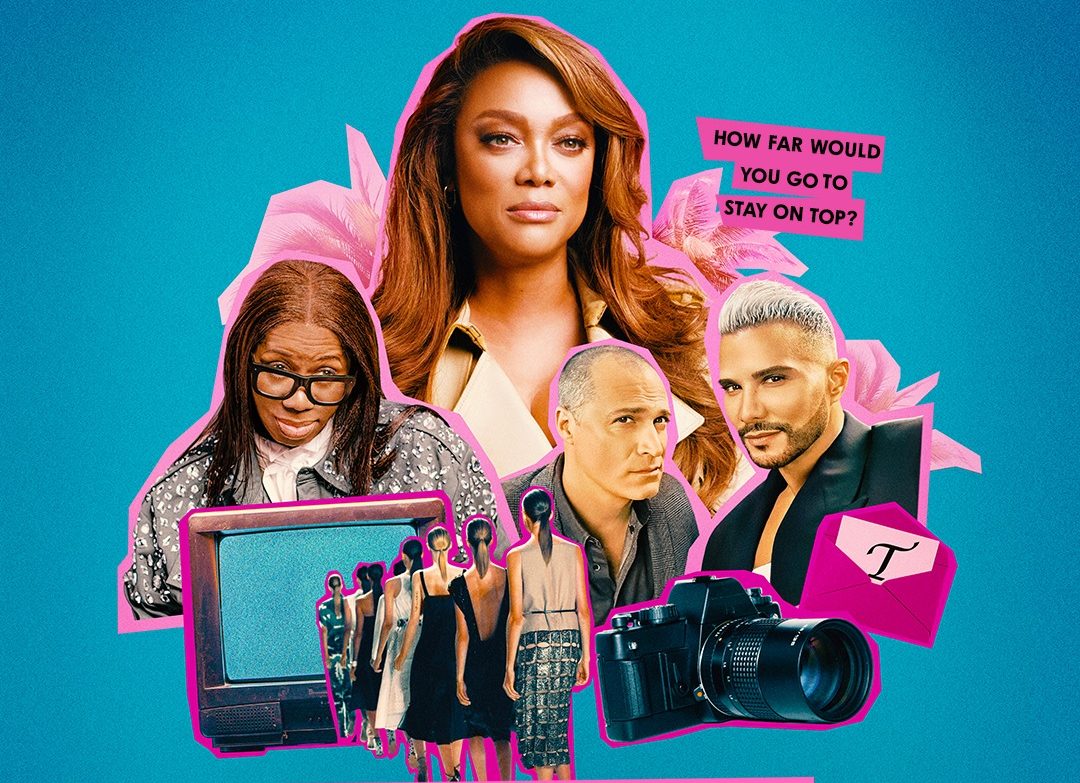
Last week, I finally sat down with the Netflix docu-series Reality Check: America’s Next Top Model, which purports to autopsy the many sins of America’s Next Top Model (ANTM). I went in expecting a nuanced dissection of a complex, often brutal industry. Instead, I found a project that feels less like a documentary and more like a performative exercise for a generation that mistakes moral grandstanding for critical analysis.
The series attempts to hold ANTM accountable for its problematic past, but in doing so, it fails to understand—or perhaps refuses to acknowledge—the context in which that show existed. It treats the symptoms while ignoring the disease. It turns Tyra Banks into a pantomime villain, suggesting she single-handedly invented the exploitation of young women, rather than acknowledging that she was merely holding up a mirror to an industry that was already deeply, structurally rotten.
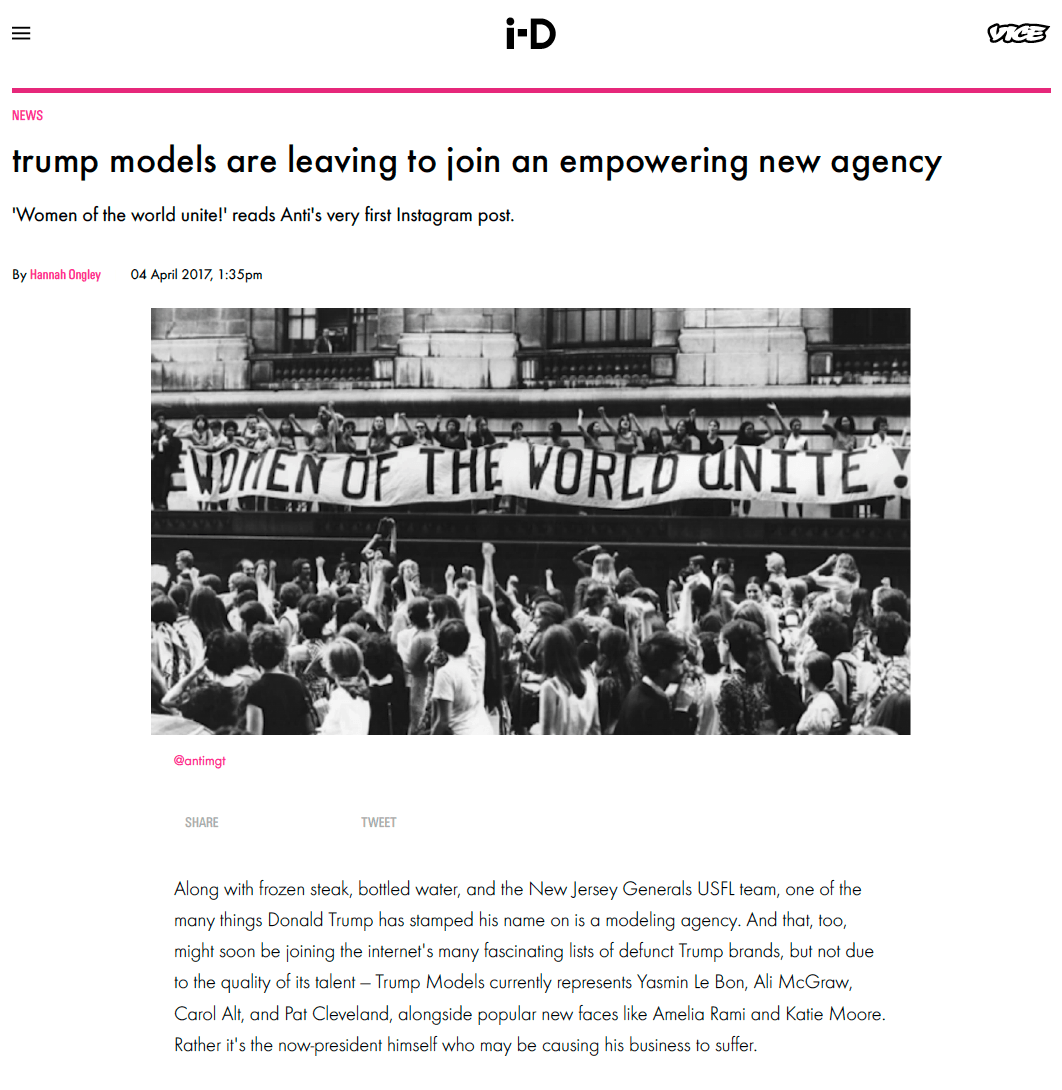
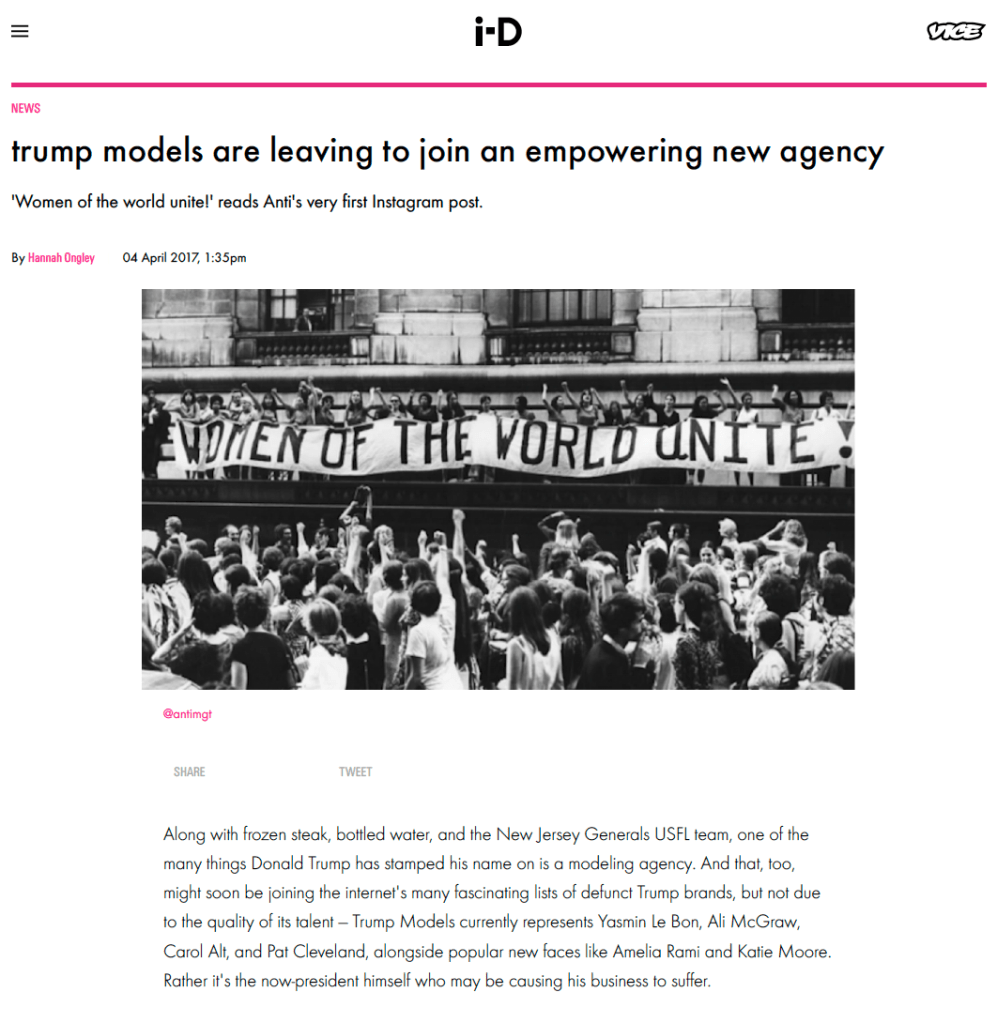
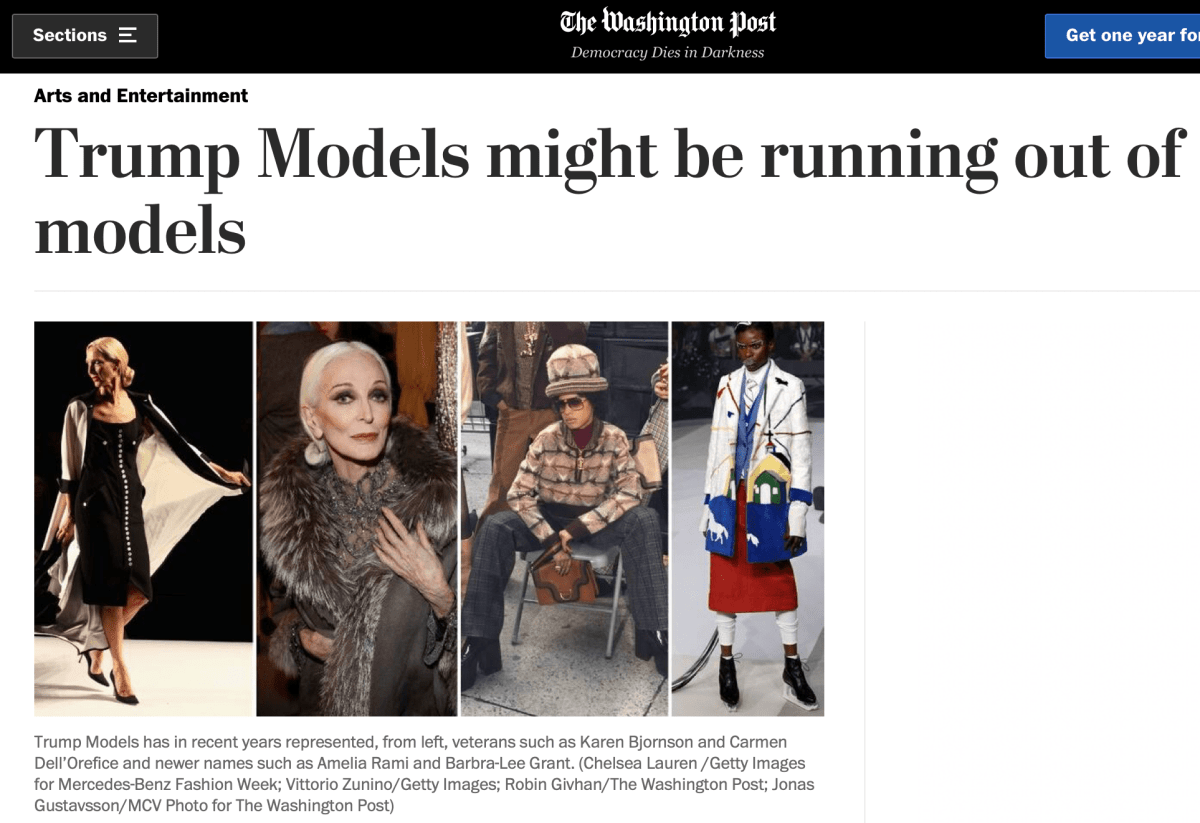
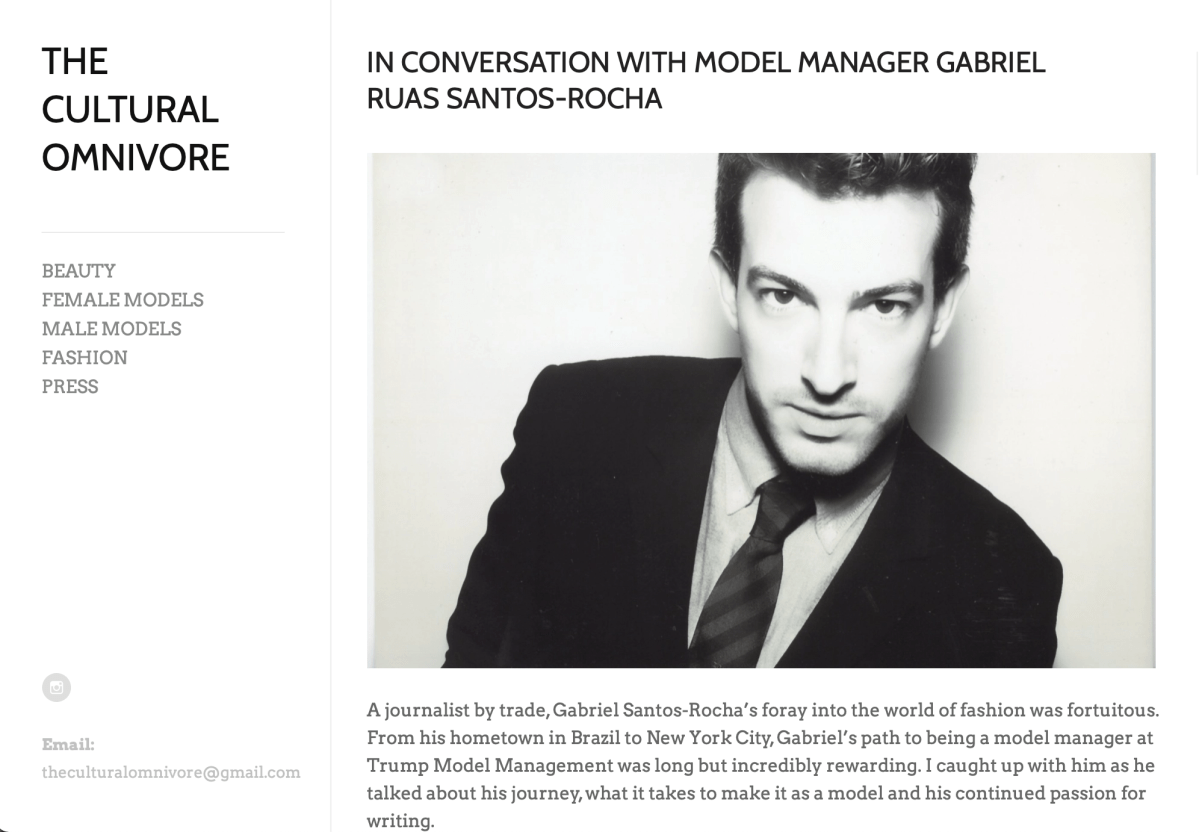
I am uniquely positioned to comment on this, as I spent fifteen years as a model agent, operating at the highest levels of the food chain. I worked at Elite, Ford, and Trump Models; I negotiated contracts for international iterations of the Top Model franchise; and I managed careers ranging from iconic supermodels to girls just starting out. I didn’t just watch the industry; I was a cog in its machine.
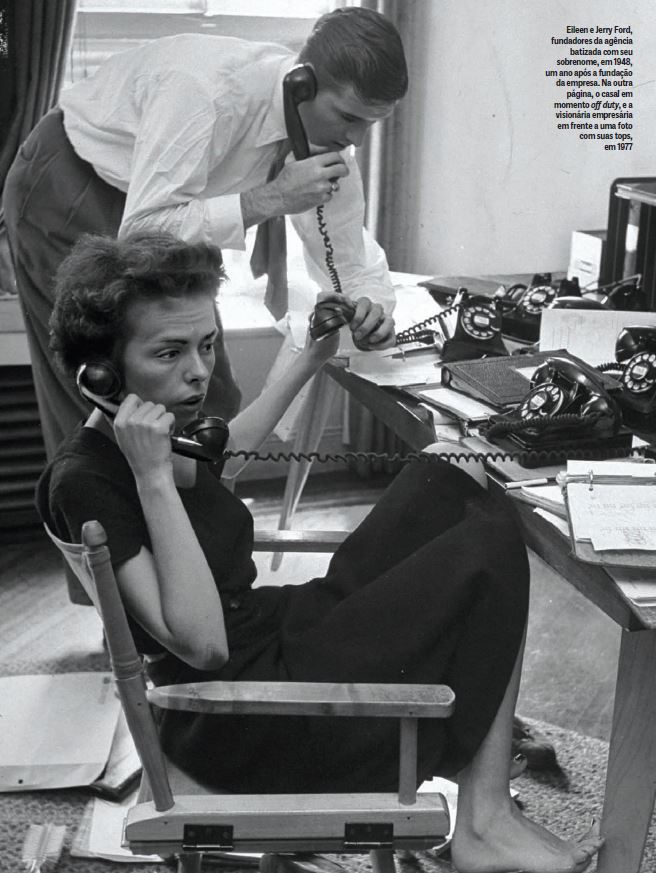
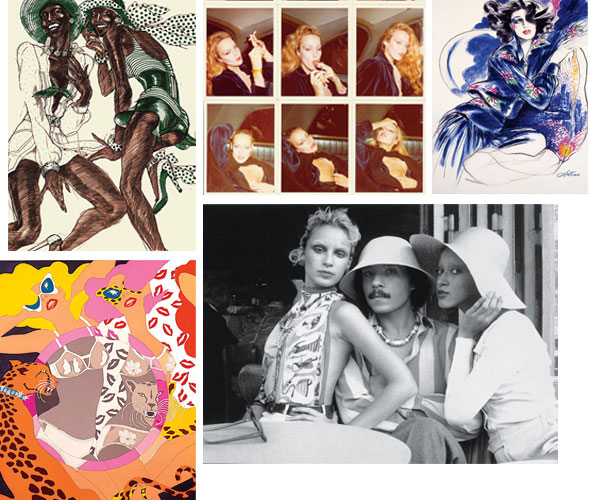
When I started at the Marilyn Agency, I was sixteen. I was a child looking after children—models often starting at fourteen, sometimes twelve. I chaperoned them across the globe, served as their surrogate mother, their life coach, and their punching bag when the industry’s darker side inevitably took its toll. I worked for companies of legends like Eileen Ford and John Casablancas. I witnessed the glamour, certainly, but I also saw the harrowing reality: parents gambling away their daughters’ earnings, models surviving life-altering accidents, and the pervasive, casual cruelty that defined the “golden era” of fashion.
Reality Check criticizes ANTM for its manipulation and exploitation, and on those specific points, they are right. But they seem to believe these were ANTM inventions. They weren’t. They were industry standards, simply broadcast for public consumption.
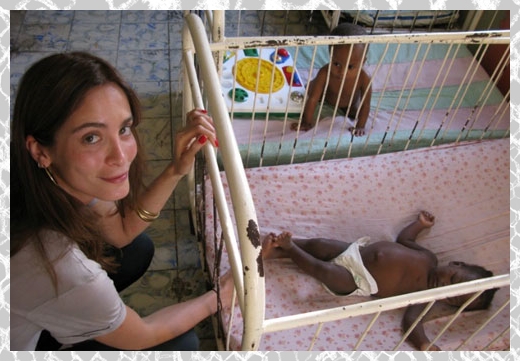
I was complicit. Every agent, scout, and client was. We were the gatekeepers of a culture that prioritized a client’s desire over a human being’s dignity. If a model was assaulted on set, we advised silence to protect her career. We watched designers host drug-fueled parties and called it “networking.” We fostered environments where young girls were shamed, starved, and objectified, and we justified it as the cost of “the dream.” Eventually, the cognitive dissonance broke me; it led to a mental breakdown, a clinic, and the total loss of the career I thought defined me.
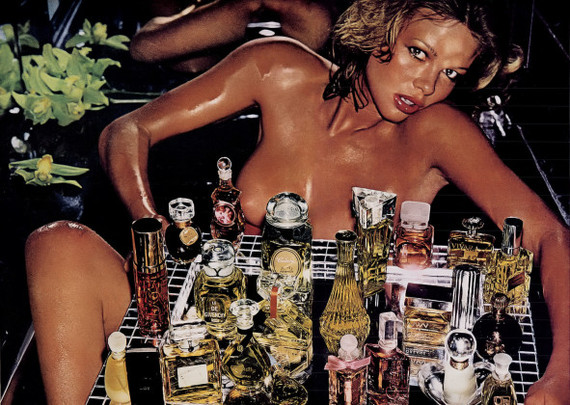
When the documentary attacks ANTM for its bizarre photo shoots, it misses the point. ANTM was merely aping the pages of Vogue or Harper’s Bazaar. Whether it was “homeless chic” or hanging models from high-rises, the show wasn’t pushing the envelope—it was reflecting the aesthetic choices of an industry that has always favored the sensational over the humane.
The documentary’s critique of the show’s failure to launch supermodel careers is equally misplaced. It wasn’t Tyra’s job to be a career mentor; it was the agencies’ responsibility to develop talent, but they treated these girls as disposable, gimmicky assets rather than investments.
We now live in a performative “post-Me Too” era, but let’s be honest: the industry hasn’t fundamentally changed; it has just learned to hire better PR. Today, agencies will sign a model in a wheelchair or a non-traditional beauty, capture the headlines, and then drop them once the virtue-signaling quotient is met. It is still a business of gatekeepers, elite standards, and exclusivity.
Ultimately, America’s Next Top Model wasn’t designed to fix the industry or empower a generation; it was a television product designed to manufacture a winner. It succeeded in that goal, and in doing so, it unintentionally functioned as a highly visible, often uncomfortable mirror of a world that was already functioning exactly that way.
We shouldn’t confuse the reflection with the source. If we find the behavior displayed on the show—the shaming, the pressure, the exploitation—to be unacceptable, that is a positive sign of our collective growth. But we must be careful not to mistake “calling out” a reality show for the actual work of industry reform. It is far easier to vilify a television host than it is to dismantle the systemic pressures of an industry that still favors exclusivity over humanity.
The industry has certainly changed in its optics; we see more diverse faces and a greater emphasis on professional safety than we did twenty years ago. Yet, the core mechanisms—the relentless pursuit of a narrow aesthetic, the commodification of personality, and the vast power imbalance between client and talent—remain largely intact.
Rather than using ANTM as a scapegoat for our past traumas, perhaps we should use that history as a compass. We can acknowledge that the people who lived through that era were often doing the best they could within a rigid, unforgiving system. The most productive way to honor those who suffered is not to endlessly debate the ethics of a reality show, but to continue the rigorous, often unglamorous work of demanding transparency and accountability from the institutions that still govern fashion today. The real change won’t come from a social media post or a documentary critique; it will come when we stop being satisfied with the industry’s performative gestures and start holding it to the same standard of dignity we expect for everyone else.
As someone who has navigated the extremes of this world—from the height of the agency system to the hard-learned lessons of its consequences—I’ve seen both the beauty and the wreckage.