
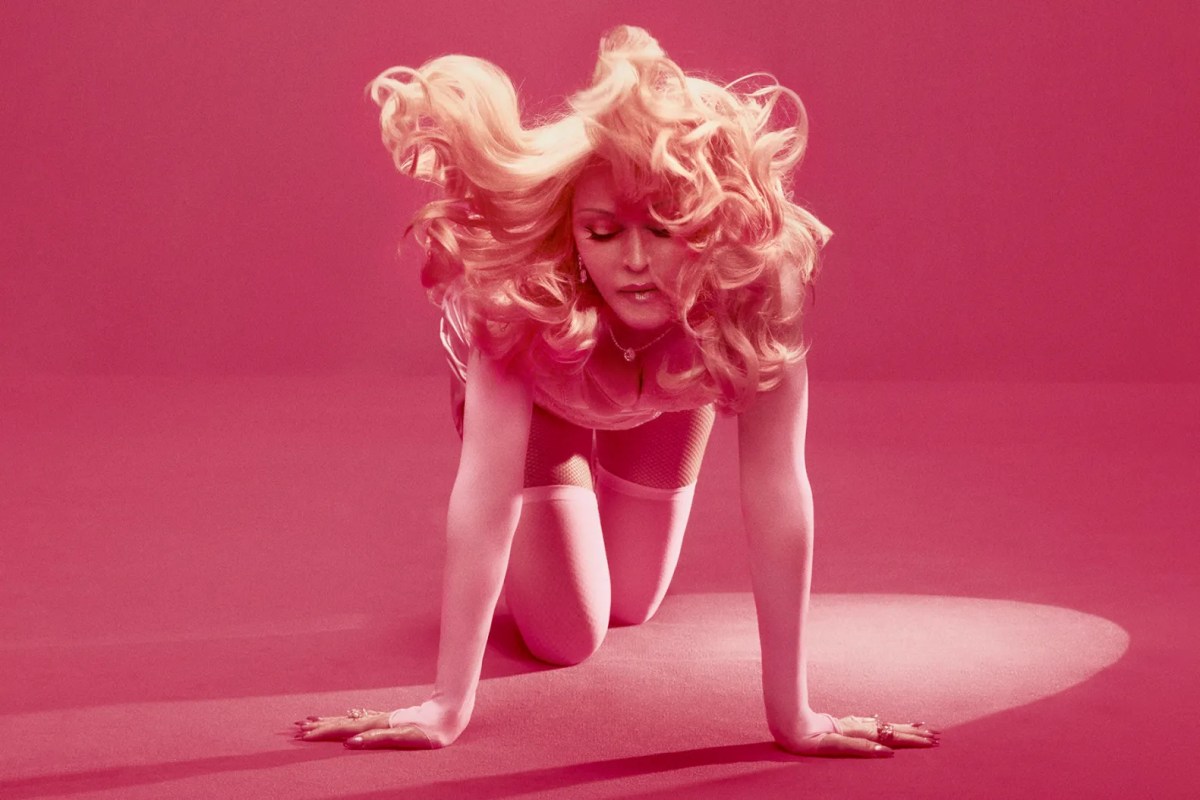
Meet Me On The Dance Floor

Madonna is not having a “comeback.” She hasn’t gone anywhere. Calling it a comeback is just the music world’s favorite backhanded compliment—a polite little way to write off a legend while pretending to cheer. Sure, maybe the Billboard charts haven’t been in a perpetual chokehold like they were in 1989, but the woman never clocked out. She has spent four decades relentlessly experimenting, testing sonic boundaries, and challenging comfort zones. If her recent eras didn’t resonate with you, that’s fine; they resonated with millions of others.

Nothing about Madonna has fundamentally changed. She is still unapologetic, still fighting for the marginalized, and still reinventing her sound, her aesthetic, and her zip code on a whim. She didn’t disappear—you just got distracted. Or maybe, let’s be honest, you got older and stopped going out. If your feet still touch a dance floor, you know she never left the building. The crown hasn’t been passed down because nobody else can actually carry the weight. Before the 1980s, the blueprint for modern pop dominance simply didn’t exist. Enter Madonna, Michael Jackson, Prince, and George Michael—suddenly, the genre was born. She isn’t just royalty; she is the Mother Superior of pop culture.

What we are witnessing right now isn’t a miraculous resurrection; it’s proof that genius has no expiration date—and that guerrilla marketing is an art form. Coming off a massive global tour that everyone prematurely assumed was her victory lap, she pulled off the ultimate setup. Rumors of new music ignited the internet, and then she went wild: dropping unannounced into sweaty underground clubs in New York, crashing fashion weeks in Paris, popping up at Coachella, and spinning new tracks directly for the night owls getting into the groove, and feeling free. No bloated corporate rollout, just pure bass and sweat. That infectious energy took over, giving us millions of sales, three monster hits, and a summer that belongs entirely to her.

Even my straight friends have surrendered to this record, which should tell you everything. It gives grown adults permission to cut loose again while giving the kids a masterclass in fearless production. Much like Ray of Light dragged electronica into the mainstream spotlight, this record cuts deep because it’s candid, emotionally charged, and unapologetically raw. It captures that same lightning in a bottle as Erotica, holding up a mirror to human desire without flinching.
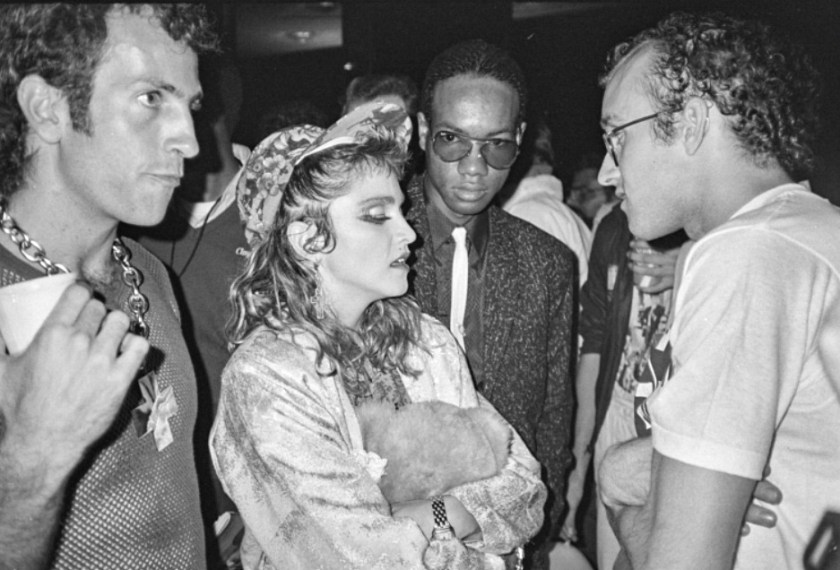
Look past the fan loyalty, and the historical receipts speak for themselves. Long before it was safe or commercially viable, Madonna took direct hits from the Vatican, politicians, and the media so future generations of women wouldn’t have to walk on eggshells. She handed out safe-sex pamphlets during the height of the AIDS epidemic when institutions looked away. She put ball culture center stage with “Vogue,” gave Frida Kahlo’s legacy global gallery recognition, and casually ran with Basquiat, Haring, and Warhol simply because she recognized great art before anyone else caught on.

Without Madonna kicking down the door, you don’t get Shania Twain owning her sexuality, and you certainly don’t get Taylor Swift commanding global stadiums. Every cultural domino falls backward to her feet. Love her or loathe her, one fact remains undeniable: Madonna is a force of nature.

How Models Taught Me it is OK to Miss Home

One of my assignments in fourth grade was to read a book about a girl who traveled abroad on an exchange student program. This was a thoroughly engaging tale of chasing independence, dealing with a language barrier, new cultures, and experiencing feeling homesick for the first time. After the class had read the book and turned in the essays, the school arranged for the author to come in to give a lecture. The girl was probably no more than ten years our senior and had attended our school. I had a transcendental experience; it was the first time I had met someone who had actually left home and gone somewhere else. Everything started to make sense to me. Everything, but the idea of feeling homesick.

“Why would she be crying just because she wasn’t home?” I didn’t get it. To me, getting out should feel more like a blessing than a curse. There was nothing wrong with my family or my upbringing, but I felt a longing for life abroad ever since I could remember. It made no sense, and I could not explain it; I only knew how I felt.

A few years later, when I was eighteen, I finally got my first opportunity to go somewhere. I didn’t exactly make it out of Brazil, but I was moving from Porto Alegre to São Paulo, which was significant. I was the first in my family to take such a big step and one of my first friends to go anywhere, for good. Think of it as moving from Charleston to New York. It was huge!

I remember dealing with models who were very young (but not much younger than I was), most of them between 14 and 16 years old. Many girls adjusted well to life in the biggest metropolis of Brazil, pounding the pavement trying to make it in the world of modeling. A few others, however, had terrible bouts of depression and loneliness and broke down quickly. Every now and then, a girl would come into the office crying and desperate to get on the phone with her mother, just because she missed her parents or felt overwhelmed by the size of the city. I couldn’t relate to that feeling. I never cried, I never felt separated, I never felt distant. I was happy. What could be better than pursuing a career in one of the best modeling agencies in the world?

The first few months in my new city went by smoothly. I had to travel down south a couple of times to gather more of my belongings, so I still maintained a fairly close connection with my family. I didn’t have a place of my own; I was couch surfing with a friend of a friend until I figured things out. The distance from where I was staying to work was enormous. I had to take two buses, and the journey could last anywhere from 45 minutes to an hour, and that’s not counting the late nights. The neighborhood was not only dangerous, but the buses took longer than usual, as they ran more infrequently. As the challenges grew, I began to understand, to a small degree, what some of those girls might have felt too.

Many years have passed since those first months in São Paulo. I now live in New York and find myself experiencing unique layers of emotional pain. It’s been three years since the last time I was home. A series of events kept me from making the trip back from New York, including a breakup, a green card, and a new apartment. Life happened, and before I knew it, I found myself feeling anxious and irritable. I became an emotional wreck. I watch cartoons, and I cry; the Lipitor commercials come on TV, and I cry; I listen to music, and I cry; heck, even Homeland has been making me cry. I have become a running joke among the people who know me.

I send Christmas cards with corny pictures of my cat and me, I write letters, I FaceTime. I used to denounce the holidays; now I love them. These days I celebrate tradition, and all I long for is a home of my own. For this person, who always believed in being independent and in belonging to the world, it’s quite a change. Could I be homesick?

Through a very painful process of shedding layers of pride and old resentments I believe I finally got to a point where I am able to accept my roots for what they are. I can finally admit that indeed I do miss home and all the drama that can be attached to it. My life may not be in the south of Brazil, but that doesn’t mean I have to abandon it all behind.

I’ve grown to admire and enjoy some of the traditions from my home country and state. I am proud of our beautiful sunsets, the tree-lined streets, the quality of life, the cultural vain that beats stronger than in most parts of that country. I celebrate the gaucho culture, our funny musical accent and even our orange (or is it red?) taxi cabs.

Being home is an opportunity to remember, recharge and reconnect. Going back gives me the chance to look at how far I’ve come and how capable I am of chasing dreams and goals that sometimes feel unsurmountable. When I’m homesick I realize that all those things were possible because of where I came from. The fact that I came from a reality so distant from the goals I was looking to achieve made me even more resilient. Home may be difficult, but it’s unlike any other place I’ve been to. Home is provincial, but it’s where some of my most special memories and connections are. As I age and experience life on life’s terms, I also realize that home is always going to be the place I turn to for reference and support, no matter where I end up.