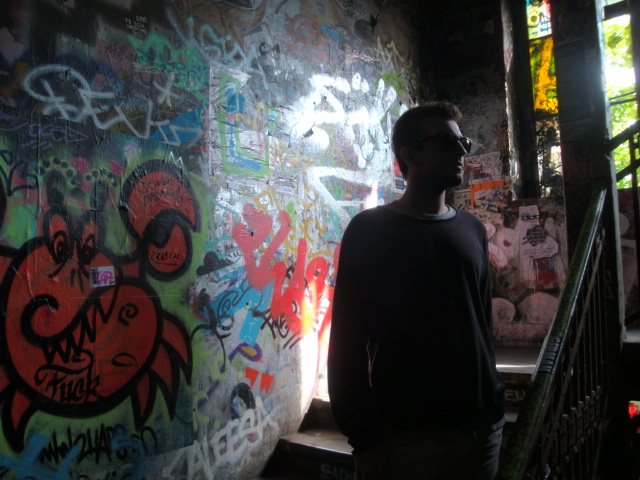
Meet Me On The Dance Floor

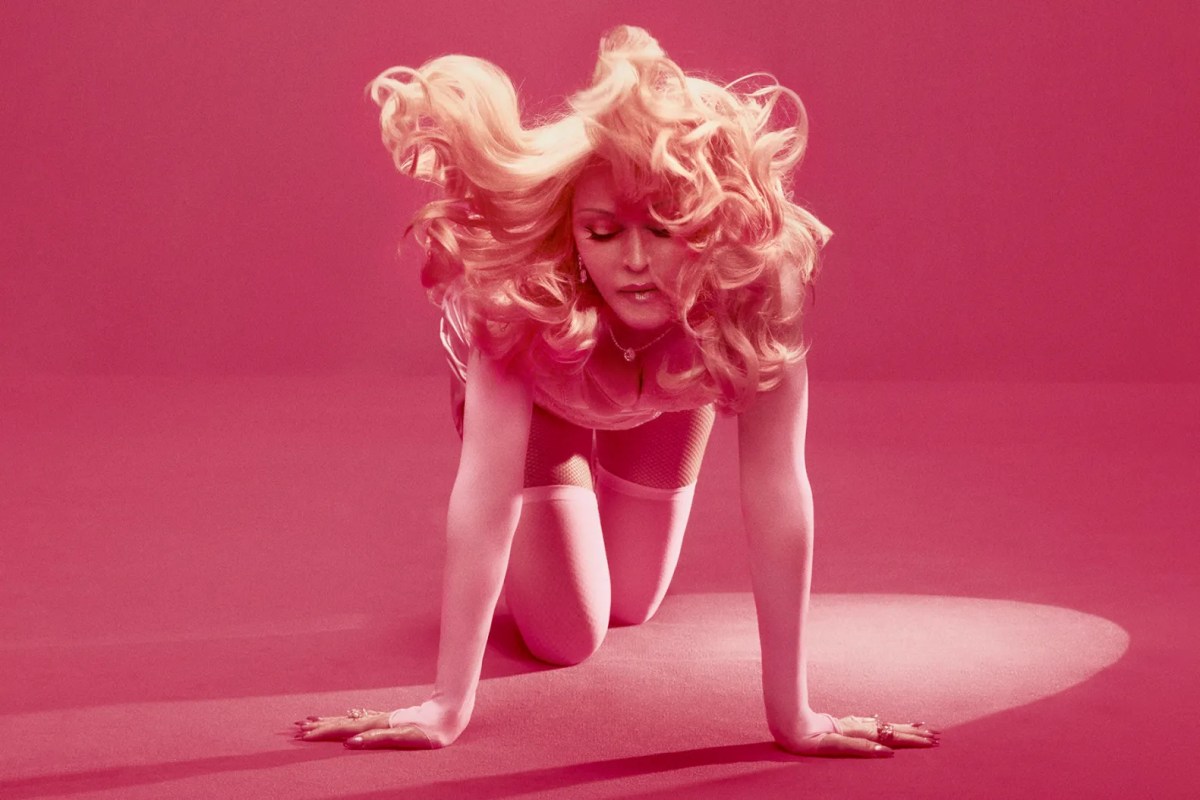
Madonna is not having a “comeback.” She hasn’t gone anywhere. Calling it a comeback is just the music world’s favorite backhanded compliment—a polite little way to write off a legend while pretending to cheer. Sure, maybe the Billboard charts haven’t been in a perpetual chokehold like they were in 1989, but the woman never clocked out. She has spent four decades relentlessly experimenting, testing sonic boundaries, and challenging comfort zones. If her recent eras didn’t resonate with you, that’s fine; they resonated with millions of others.

Nothing about Madonna has fundamentally changed. She is still unapologetic, still fighting for the marginalized, and still reinventing her sound, her aesthetic, and her zip code on a whim. She didn’t disappear—you just got distracted. Or maybe, let’s be honest, you got older and stopped going out. If your feet still touch a dance floor, you know she never left the building. The crown hasn’t been passed down because nobody else can actually carry the weight. Before the 1980s, the blueprint for modern pop dominance simply didn’t exist. Enter Madonna, Michael Jackson, Prince, and George Michael—suddenly, the genre was born. She isn’t just royalty; she is the Mother Superior of pop culture.

What we are witnessing right now isn’t a miraculous resurrection; it’s proof that genius has no expiration date—and that guerrilla marketing is an art form. Coming off a massive global tour that everyone prematurely assumed was her victory lap, she pulled off the ultimate setup. Rumors of new music ignited the internet, and then she went wild: dropping unannounced into sweaty underground clubs in New York, crashing fashion weeks in Paris, popping up at Coachella, and spinning new tracks directly for the night owls getting into the groove, and feeling free. No bloated corporate rollout, just pure bass and sweat. That infectious energy took over, giving us millions of sales, three monster hits, and a summer that belongs entirely to her.

Even my straight friends have surrendered to this record, which should tell you everything. It gives grown adults permission to cut loose again while giving the kids a masterclass in fearless production. Much like Ray of Light dragged electronica into the mainstream spotlight, this record cuts deep because it’s candid, emotionally charged, and unapologetically raw. It captures that same lightning in a bottle as Erotica, holding up a mirror to human desire without flinching.

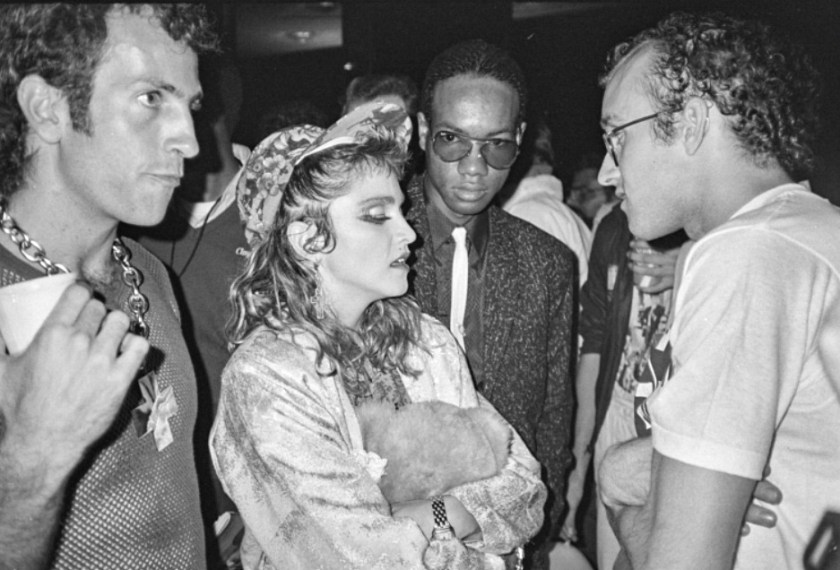
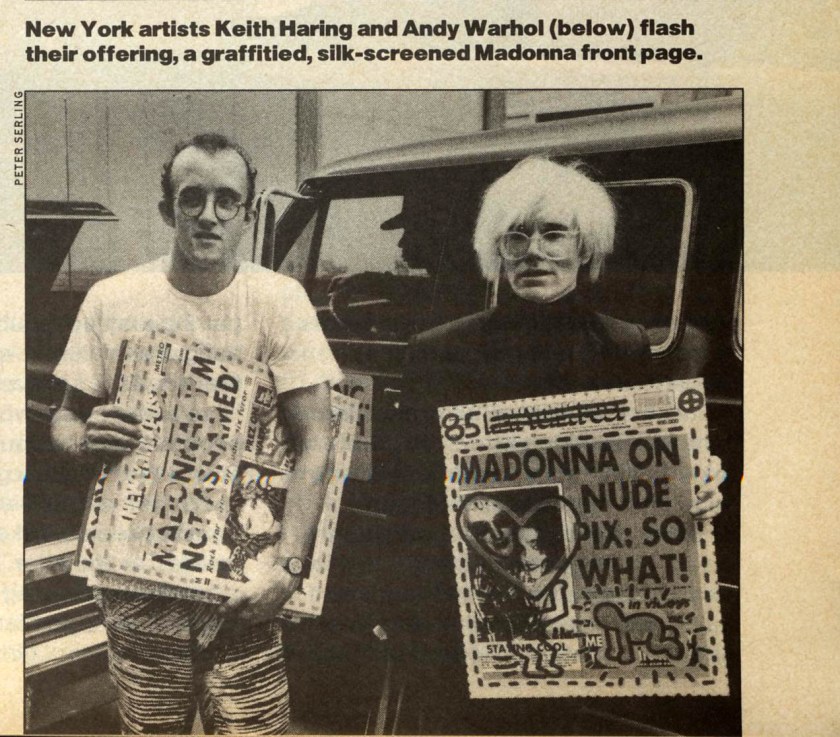
Look past the fan loyalty, and the historical receipts speak for themselves. Long before it was safe or commercially viable, Madonna took direct hits from the Vatican, politicians, and the media so future generations of women wouldn’t have to walk on eggshells. She handed out safe-sex pamphlets during the height of the AIDS epidemic when institutions looked away. She put ball culture center stage with “Vogue,” gave Frida Kahlo’s legacy global gallery recognition, and casually ran with Basquiat, Haring, and Warhol simply because she recognized great art before anyone else caught on.

Without Madonna kicking down the door, you don’t get Shania Twain owning her sexuality, and you certainly don’t get Taylor Swift commanding global stadiums. Every cultural domino falls backward to her feet. Love her or loathe her, one fact remains undeniable: Madonna is a force of nature.

The New Revolution

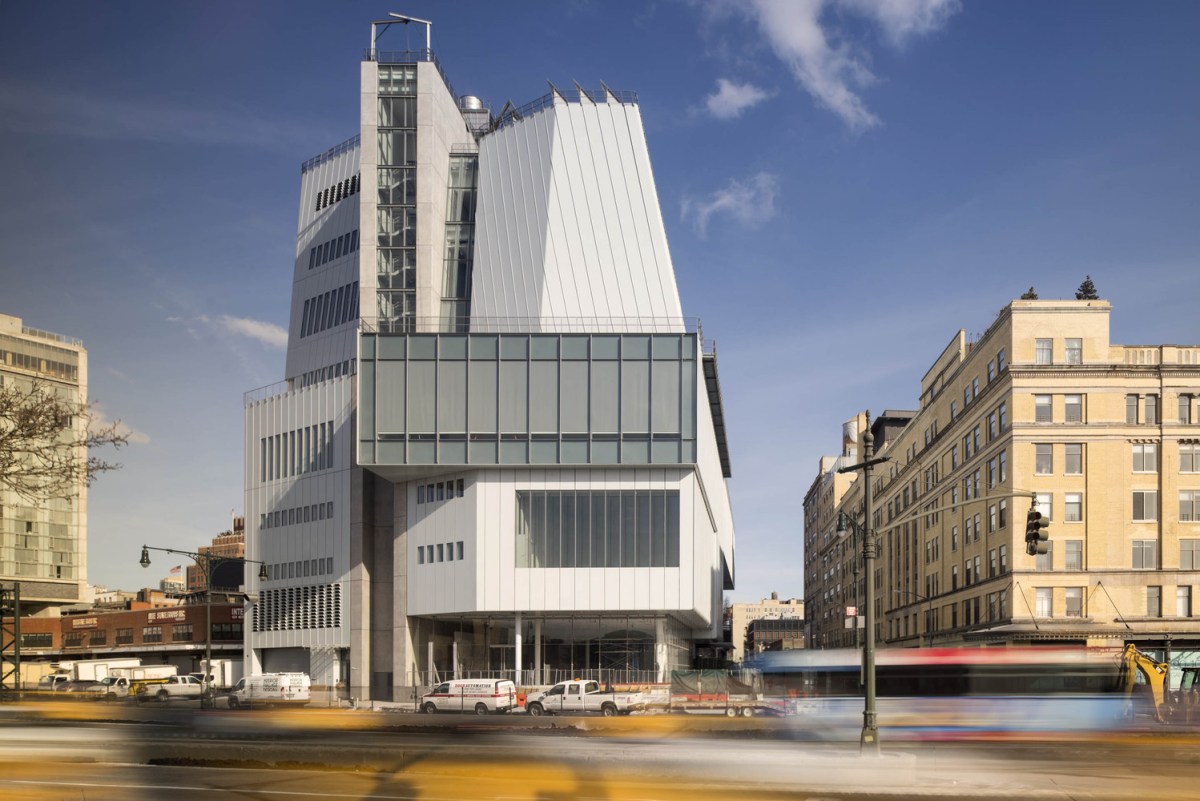
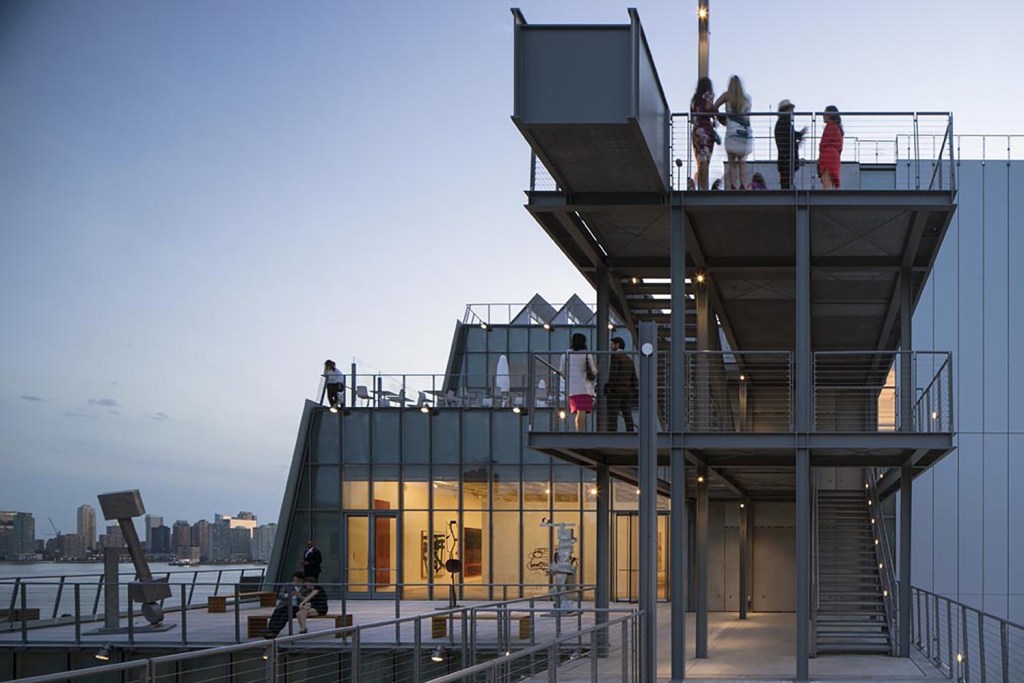
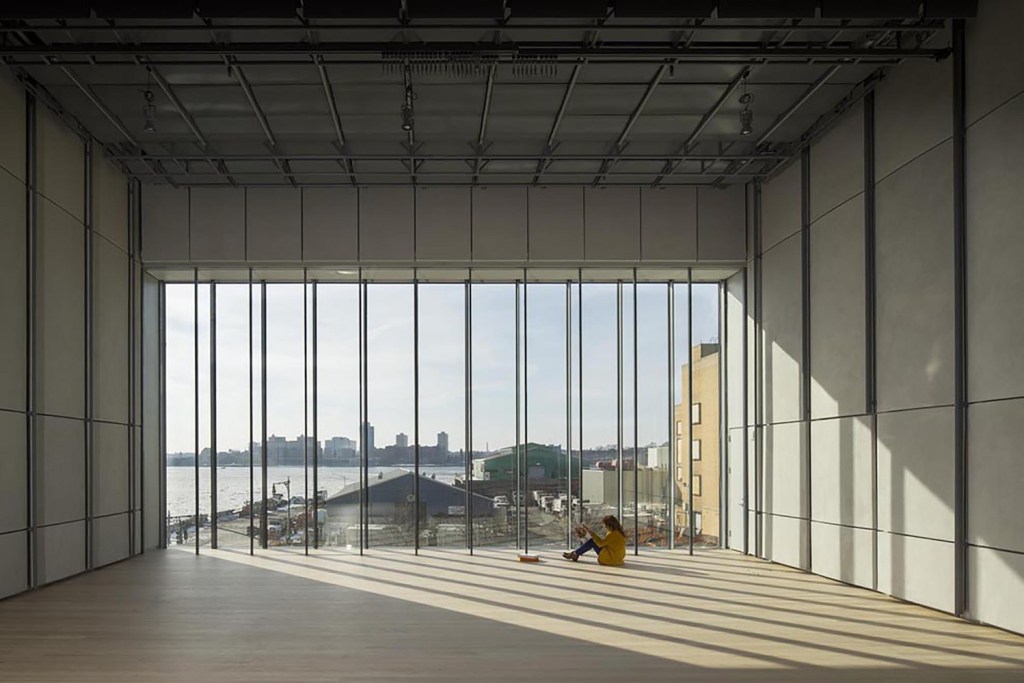
From a distance, it is difficult to know whether the new residence of the Whitney Museum of American Art is a ship, a factory or a hospital. Up close, the large windows that give the space a loft feel and open from east to west, offer a preview of what inhabits this interesting edification. The building created by Renzo Piano, one of the most celebrated architects of the moment, was received by differing opinions. Purist architectural critics with more negative views than others with a more open mind.

What everyone agrees, however, is that the new address of the celebrated museum follows the philosophy of its creation, of staying alive, interesting and involved with what is happening in the local culture. The arrival of the museum in the Meatpacking District helps to cement the idea that this region, next to Chelsea, is in fact the new mecca of art in New York.

In its fourth address since its creation in the 1930s, Whitney is used to controversy. In its conception, through the brilliant mind of the sculptor Gertrude Vanderbilt Whitney, the organization faced difficulties. This artist, who found the need to create a fund dedicated exclusively to living American artists, saw her donation of more than 500 works rejected by the Metropolitan Museum of Art. It was then that this visionary opened the museum’s first headquarters in the Greenwich Village. In the 1960s, after filling his second headquarters on West 54th Street, Marcel Breuer revealed the museum’s third headquarters and his masterpiece of brutalist architecture. Residents of the Upper East Side, Manhattan’s traditional neighborhood known for its art galleries and museums, reacted in horror. The architecture was then considered offensive and exclusive. The headquarters created by Breuer, however, quickly received cult status and remains today as one of the most important works of world architecture. 

In 1975 the entity’s collection had 2000 American works of art from all ages and its team employed around 100 employees. The museum’s total space was 3 thousand square meters, of which 715 were dedicated to its permanent collection. In 2014, Whitney needed to expand again. Today, this nationalist gem contains more than 21,000 works in its catalog and a team of more than 300 employees. The new space offers 2 thousand square meters for its permanent collection divided into two floors that are part of an impressive total of 6 thousand square meters of total space. Not to mention that the museum still intends to expand its domains to the quayside by the river, in front of its building and if necessary, it can still occupy its neighbor next door, a meat processing building built in the Shaker style, which in itself is an American icon.

This is not everything. What this museum created with a simple change of address was actually a revolution in the New York art scene. In the middle of a space crisis, the main museums of the city find themselves having to choose between historical and contemporary, new and old, dividing by categories and hiding from the public masterpieces that should be permanently accessible. The Metropolitan, historically more focused on classical art, has an impressive collection of contemporary art but does not have the space to display it. Moma, after two expansions, continues to face difficulties mainly due to the intense traffic of tourists in its tight corridors. What Whitney demonstrated with this change that cost 422 million dollars, and that art should not be exclusive. Its galleries offer American art, from all ages and artists alive and dead. If art is of quality, it has space in this museum without sacrifices in favor of space or obsolete theories.

With its vacant old building, Whitney made 3,000 square meters of space available for art in the city and the Metropolitan wasted no time and signed an eight-year contract with the organization. The Metropolitan’s contemporary art collection will now be transferred entirely to Whitney’s old address, keeping Breuer’s architectural work alive and inspiring new generations. Moma, on the other hand, took advantage of the unfortunate situation of its neighbor, the Folk Art Museum, inhabitant of another renowned building, and will expand. Moma will undergo a complicated expansion project that, when completed, will also house part of the collection of its neighbor that was less fortunate.

But back to Whitney, what happens at your new address? The museum now offers jaw-dropping views of the river and the entire city at its feet. The more airy environments also have an open air cafe, a restaurant, Untitled, by chef Michael Anthony (part of the group of renowned Danny Meyer) and all the works that inhabited dark deposits and can now see the light of day. 

The museum’s collection features more internationally recognizable pieces from artists such as Jackson Pollock, Edward Hopper, Willem DeKooning, Georgia O’Keefe, Andrew Wyeth and Jasper Johns to celebrity venues like Jacob Lawrence. Lawrence’s social realism portrayed on the panels of “The Great Migration” the shift of the American black population from farms in the south to urban areas in the north. His work of “dynamic cubism” continued to follow the daily battles that marked history, such as the civil revolution of the 1960s. The pop art of Warhol and Lichtenstein is an obvious and obligatory presence in this collection, as well as their contemporaries Jean Michel Basquiat, Cy Twombly and Donald Judd. 

The photographers Peter Hujar, David Wojnarovicz, Nan Goldin and Robert Mapplethorpe are also worth mentioning, having enough space to recall a moment in the history of this city where a sexual revolution was taking place surrounded by the AIDS epidemic. The photographic collection also includes works by Man Ray, ranging from Diane Arbus to Cindy Sherman, in addition to legendary names in world fashion photography such as Richard Avedon, Irving Penn, Cecil Beaton and the contemporary Bruce Weber. It is also worth mentioning the work of social photographer Walker Evans, one of the most influential artists of the 20th century. Evans recorded the harsh reality of everyday life during the great depression and continued to ignore ideals of the “American Dream” and exposing life as it is until his death in 1975.

Contemporary art is present extensively. Paul McCarthy, Julian Schnabel, Chuck Close, Richard Serra and Francesco Clemente are some of the artists who deserve to be mentioned and continue to produce relevant works in the international arena. Another contemporary that stands out here is the renowned abstract Frank Stella who has his first complete retrospective on display at this museum.

The exterior of this building offers a visit to works by Alexander Calder and also the colorful and interactive art of Mary Heilmann, which invites the visitor to sit and relax in one of the several terraces. A stop for fresh air is more than necessary while visiting this extensive collection that is as creative and varied as the ethnic and geographical origin of its artists. 

The cultural representation here presents the same diversity that this country has. Artists of English, Latin, Irish, Chinese, German or Italian origins, to name a few and from different religious backgrounds and practices, demonstrate exactly what makes up this country’s cultural strength. Even with all the difficulties presented by these differences, the museum remains neutral and inclusive, telling stories and reminding the visitor that the world is much more than a picture painted in oil but rather the sum of all the creative expressions that result from the daily human experience.

Meet the Man who Changed the Face of Advertising in America

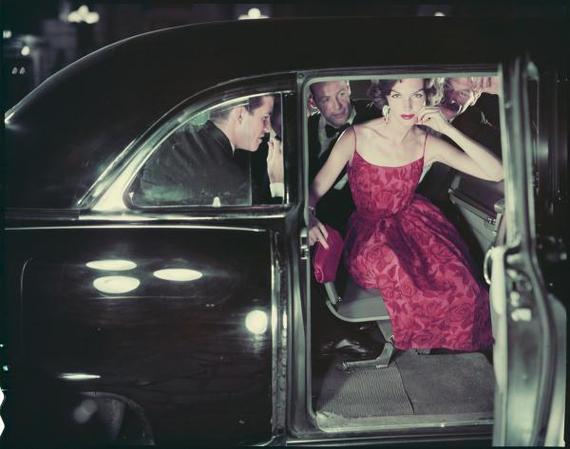
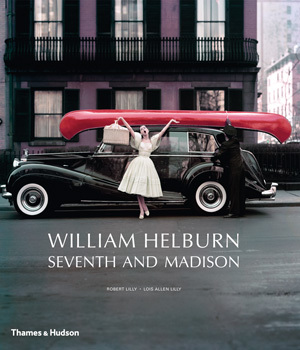
When you hear the name William Helburn, it will probably not mean anything to you. Unless you were part of the advertising industry in the Mad Men era or a fashion insider, Bill (as he’s called by friends and colleagues) would have flown under your radar. Contemporary to other greats like Richard Avedon, Lilian Bassman, and Irving Penn, Mr. Helburn’s career started right after the war. Mr. Helburn shot faces like Dovima, Dorian Leigh, and Jean Patchett for various publications, including Harper’s Bazaar and Time Magazine. In the book Seventh and Madison (Thames & Hudson), the reader is introduced to this key character of a long-gone era, in which the United States lived what was probably the most exciting and innovative time in advertising.

This photographer never spent much time building an editorial brand. “I never made a point to put my name under my pictures; I was working mainly in advertising, and unlike magazine editorials, you never get credit for that work,” Bill explains with no regrets. “I worked a lot, I was successful, people liked me, and I made a lot of money.”

Mr. Helburn didn’t really care about branding himself, so why suddenly have a retrospective of his work at the peak of his 90 years of age? “I have no idea, this is such a nuisance!” he laughs, “these people who followed my work, approached me and said they were interested in what I created, and said they felt the world should know who I am.” Bill agreed with the proposition but was skeptical that they would be able to put a book together with the little material he had saved over the years. “I threw away three-quarters of the work I did, anything that wasn’t approved [to run] went to the trash, I didn’t know people were gonna come back and make a book about me.”

What Robert and Lois Lilly (authors of the tome) saw was the indelible mark this photographer had left in the advertising industry. Helburn was making images that were outside the box and popped from the pages of the magazines and billboards, bringing new excitement to the ads he was hired to shoot. He was the only advertising photographer who was as trendy as the fashion photographers, roaming the world with top models and celebrities and putting them in new and unexpected situations for the sake of selling a product differently.

Never before would a fashion photographer shoot a car advertisement, and that’s exactly what Bill did. “I made it more interesting. I wasn’t showing the engine like most ads were. I had a model in the picture, and I made that car sexy.” And Bill gets excited every time he is invited to talk about his work. “I made advertising a little more fashionable. They would give me layouts, and I’d shoot that, but then I’d also do what I wanted to do, and more often than not they’d pick my idea over the layout.” That was how models ended up with cruise ships in their hair, standing atop street signs, or naked in the middle of a snowstorm. Shock value was something this artist knew all about.

In times when the world talks endlessly about new media and the end of printed matter, it’s valid to wonder what made such a successful photographer change from shooting stills to moving image. Eventually, Mr. Helburn saw the expansion of television as a new medium and moved on to shoot commercials. “That was the way the world was going, advertising was spending more money on TV, so I started doing that,” explains Bill. And he did that from the 80s up until the early 90s when he finally retired to enjoy his success and spend time with the family.

For someone who seemed so passionate about his work, one is left wondering if he keeps up with new advertising campaigns and magazines. The answer comes as quickly as the click of a shutter. “I couldn’t care less, I don’t keep track of it at all, I just want to enjoy life!” And that he does, with no regrets, only happy memories. “Doing this book… it’s rewarding, they rediscovered me,” concludes the master.

Article originally appeared in The Huffington Post, VVV Magazine, and The Peninsula Magazine.

Relive the Glamorous Excess of the 1970s in a New Book

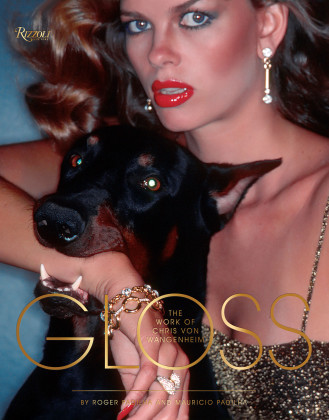
Authors Mauricio and Roger Padilha have a way of unearthing subjects. In their previous books, the duo brought to light the work of renowned artists Stephen Sprouse and Antonio Lopez, both legendary in their own right. Their most recent tome, GLOSS (Rizzoli, 2015), is no different. The monograph covers for the first time the work of photographer Chris Von Wangenheim, one of the terrible three, which included two other iconic names in photography: Helmut Newton and Guy Bourdin. Unlike Newton, who insinuated an action about to take place, or Bourdain, who captured a moment after it had happened, Chris caught the scene as it was unfolding in an unapologetic and, at times, shocking manner.

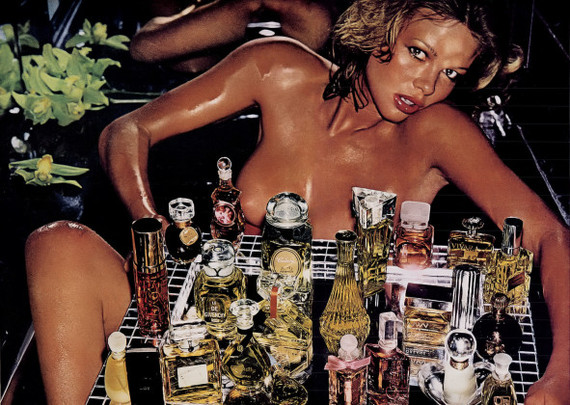
Mr. Von Wangenheim was perhaps one of the most provocative photographers of all time. From the late 1960’s all the way into 1981, when he died in a car accident, this artist captured the glam and excess of that era. Sex, violence, danger, and vice were caught by the lens of his camera and put on display on glossy pages of magazines as fashion editorials for VogueHarper’s Bazaar, or Interview. The photographer also imprints his vision in fashion campaigns for iconic brands such as Christian Dior, Valentino, and Calvin Klein.

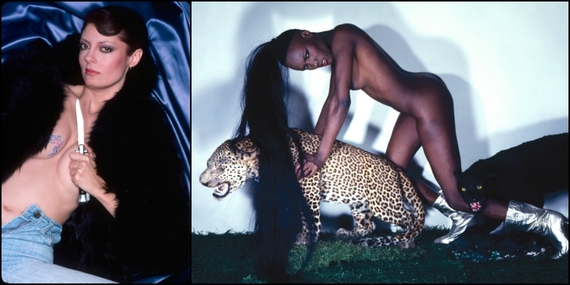
The new book includes more than 200 images, some legendary, some unknown. The suggestive narratives are as inspiring now as they were then and continue to impress the industry. Almost every person who works in fashion is familiar with the iconic images of Lisa Taylor and Christie Brinkley being bitten by dobermans, or the singer Grace Jones posing semi-naked among panthers.

Mr. Von Wangenheim’s work might have faded with his passing, but it wasn’t forgotten. With this book, the Padilhas hope to bring back one of the most celebrated fashion photographers of the 1970’s and keep him in the forefront of fashion, a place from where he never should have left.

Bright Lights, Big City

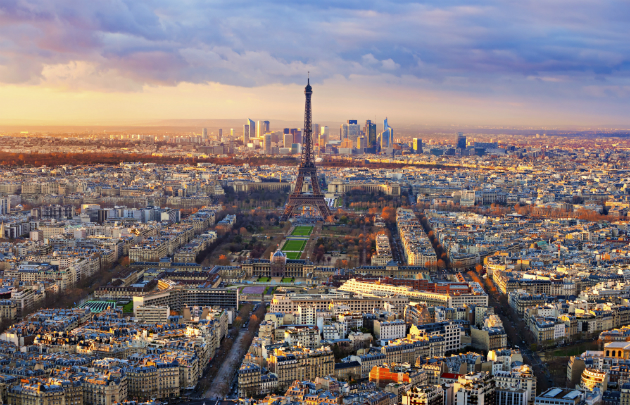
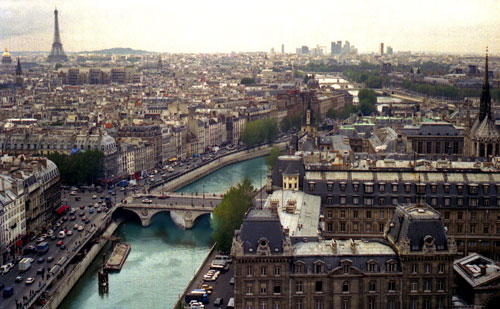
The city of lights, romance and pastry, Paris is one of the world’s most effervescent cultural centers. The French capital sizzles and yet remains gentle in a beautiful paradox that allows you to live fast and party hard, while simultaneously inviting you to sit at one of its many immaculate parks to listen to music or read your afternoon away. The beauty of Paris is not in the bustling tourist attractions, but in the hidden corners and intimate settings. True, some of the most notable spots, such as the Louvre or the Trocadero still remain breathtaking, although somewhat impersonal. It was in the peaceful gardens of the Jardin des Plantes that I found my footing. After I realized that privacy was possible, even in the most public of places, I decided I’d take my time, soaking it all in.

No city in Europe makes me feel more comfortable and at home than I do in Paris. I understand this may seem odd, given the unfortunate fame the French have for their unpleasantness. I don’t find that to be true. Yes, they are ‘to the point’ and, yes, they can sometimes be honest to a fault, but I’ve learned over the years that part of what makes them so wonderful, are those exact things. They know everything; they are the best at everything; they have the best taste in everything. So what? No wonder they have some of the best food and wine in the world, not to mention art, literature, film and music. The French really got it all right – if it wasn’t for all the dog poo splattered around the city sidewalks and the occasional strikes, it would be the perfect place.
Whether in the seediness fun of the Pigalle or at the top of the hill at the Sacre Coeur – my favorite church in the world, which says a lot for someone who’s not religiously inclined – there was always an opportunity to stop at a hidden store, buy inconspicuous art and chat with the locals about what could be a great spot for dinner in the area, away from the extreme prices of the known locales.

L’Entrecote remains one of my favorite restaurants within Paris. Introduced to me during my first trip, it’s a French gem and normally my first stop whenever I’m in town. After standing in a long line out in the street (yes, it’s that popular), you’re invited to sit down in a busy room, filled with vibrant chatter and delicious smells. However, no menu is ever presented; for a flat rate, you’re served L’Entrecote’s famous cut of meat with the secret mouth watering sauce, accompanied by fries and a salad. At the end of your meal, you’re given the choice of a dessert and the check. Just like that, in and out, no time is wasted, and it’s a fascinating thing to watch. This restaurant is such a big hit that it currently has three locations in Paris and even one in New York.

If my mood for dinner, however, is for a scene, I will most likely be seen at Cafe Ruc or Ginger. These two restaurants attract the core of the fashion industry. During Fashion Week, it’s an invitation to encounter some of the biggest top models dining alongside their agents and fashion editors from magazines from all around the world. For lunch, another restaurant favorite of mine that never disappoints is L’Avenue. Steps away from the Hotel Plaza Athene and smacked in between stores like Dior, Chanel, Ferragamo, Celine and the headquarters of Givenchy, this is the spot to have lunch in between fashion shows. The tables on the sidewalk are the most sought after and certain ‘fashionistas’ have been known to spend north of four hours there sipping champagne and nibbling on strawberries. For a quick and very traditional French lunch, I adore Le Castiglione, also one of Grace Coddington’s favorites. The overall environment of Le Castiglione is lovely and the food cooked to perfection. Only a few steps away from Place Vendome, the jewelry central of Europe, where one of the most infamous jewelry heists took place a few years ago, thus turning this location into one of the most well guarded on the planet. Also located at this square is the famed Hotel Ritz — where the gliteratti gather and serves as temporary home to everyone from Anna Wintour to Beyonce.

Not all, however, needs to shine to be incredible. The fabulous burger joint, Ferdi, prepares what to me is one of the best burgers in the world. This cozy restaurant is a locally, well-known institution where patrons are hosted (or turned away) by the colorfully temperamental owner, which to me is the entire charm of the place. The Olsen twins, as well as the Delevigne sisters, have been spotted at Ferdi on several occasions and given their stamp of approval. After finishing the burger, it’s always a good idea to make a quick stop at Colette to pick up some of their exciting limited edition items. The store is design-heaven; just the right size and packed with all that matters in the fashion world – here, you can’t go wrong. If your appetite in turn, is for something a little more mainstream do not skip the classic Printemps, Le Bon Marche or Galleries Lafayette, which are the most famous and large scale French department stores. In the afternoon, a visit to the Hotel de Crillon for coffee proves to be a wise and regal choice. If that’s not appealing, head to the Madeleine square and pick up some delicious tea at the iconic teahouse, Mariage Freres – my personal favorite is the Marco Polo blend.

Shopping may not be your focus (if you’re anything like me), and, in that case, my top suggestion is the museum of the Orangeries at the edge of the Tuilleries Garden. More intimate than some of its counterparts, this museum holds masterpieces like Monet’s Waterlilies among many other impressionists and post-impressionists masters like Cezanne, Matisse, Modigliani, Sisley and Renoir. In case there’s time (and patience) for the mainstream, do not skip the Dorsay and the Pompidou. A very important addition to Paris’ cultural portfolio is the incredible Louis Vuitton Foundation. Designed by Frank Gehry, this new icon of modern architecture and the arts sits in the Bois de Boulogne, known for its mansions and leafy streets. It’s in this very neighborhood that the musician Lenny Kravitz lives and is known to host the occasional intimate party in which the pantheon of the fashion, music and film industry gather.

While in the subject of parties, the Paris nightlife is not to be missed, some of the most exciting times I’ve had at night were there. It was at the club L’Arc that for several years the designer Riccardo Tisci hosted names like Liv Tyler, Gisele Bundchen and Mariacarla Boscono at parties for Givenchy. The most recent and exciting club to open its doors was David Lynch’s Club Silencio. Hidden deep underground, Club Silencio has a variety of rooms and hallways, while also playing host to the an exciting group of characters in the most extreme outfits seen anywhere.

While in Paris, a wild night is not always a requirement for a good time, as can be experienced at the ever-classic Hotel Costes, where a toast to a glass of champagne is mandatory. For a cooler, and more relaxed environment, my all time favorite evening appointment is at the restaurant Derriere, which is fashioned as a house. You may sit for dinner at a bedroom or in a living room, you may even end up in the dining room! If all else fails, you can hang out at the bar or in the patio and play some ping-pong with the iconic and irreverent fashion editor Carlyne Cerf de Dudzeele, a fan of this spot who is always up for a good time and some laughter.

Of the more traditional touristic spots, I try to never skip visits to the Notre Dame cathedral during mass hours; the smell of incense and the echoing of the words in french are ever inspiring. The Luxembourg Garden always takes my breath away and just before I head back to the hotel to change for the evening, a quick drink or a cup of coffee at Cafe de Flore is essential. Before you leave Paris, whether you go to their cafe at Champs Elysees or to a kiosk at the airport, don’t forget to pick up a box of macaroons from Laduree to gift to some of your favorite people back home. These colorful delicacies are a French institution.

Allow yourself to be immersed in the local culture, stroll through the bridges and the streets observing every detail and every sign. Look for the markings on buildings that might show you the former homes of luminaries like Proust, Balzac or Victor Hugo. Take all of its essence and history in and maybe then you will fall in love just as much as I did. In the classic words of Cole Porter; “I love Paris, every moment of the year”.

Column featured in ONNE MAGAZINE – May 2015

From Grit to Glam

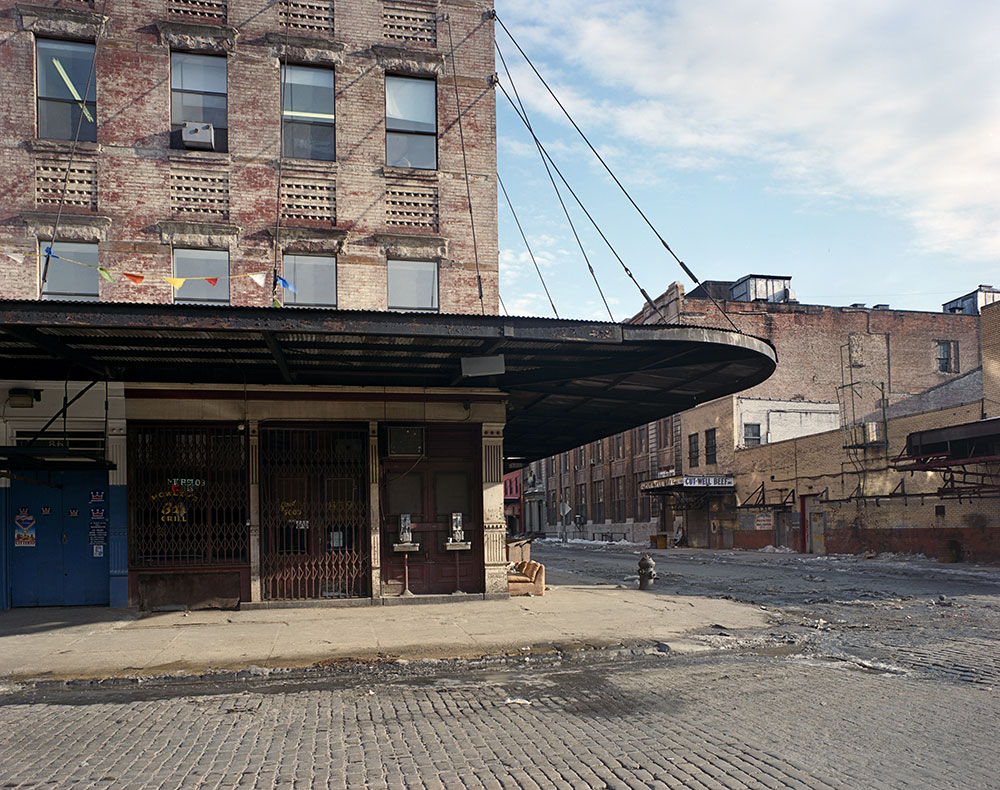
Not that long ago the Meatpacking District, a web of cobble stoned streets, was the sole source of meat products for New York businesses – whole skinned cows and other animals literally hung from hooks on the streets.  Fueled by crack, in the evening the area became a lurid labyrinth of pathways and hiding places for transsexual prostitutes seeking an extra buck or two.  The merchandise of the morning wasn’t that different from what was available in the evening; meat in large quantities for a low rate.   Around that same time West Chelsea, a sea of empty warehouses and abandoned industrial businesses, had little but the Roxy, a drug-fueled gay disco, and dirty streets.  Then came the art galleries and real estate developers.  Then came Films, fashion shoots and TV shows, like Sex and the City, which made a walk through hookers and junkies to get to a lofty apartment seem rather glamorous.  Once again, fashion and film forge the founding of the latest hot neighborhoods.  

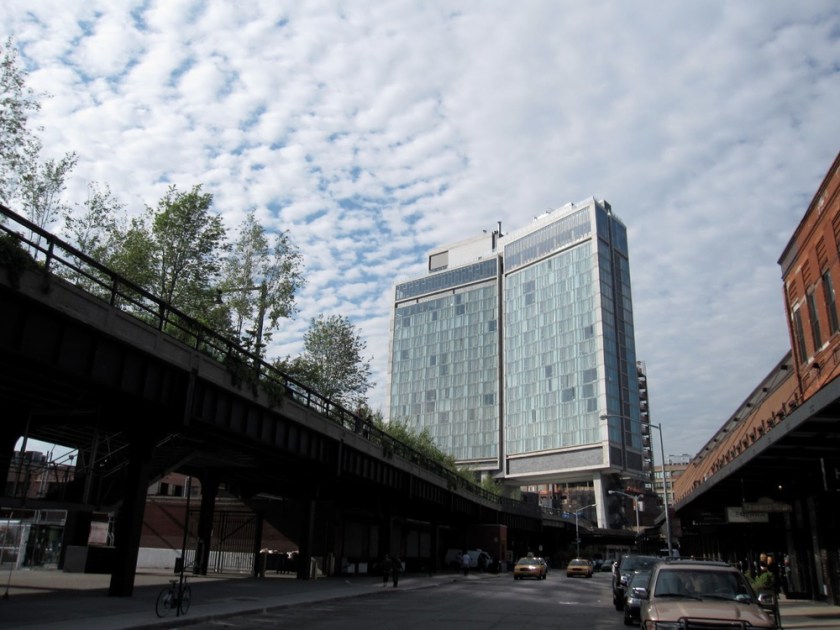
Since the early development of the High Line, the now famous park that occupies abandoned railroad tracks and that cuts through these two now visually striking neighborhoods, these   Summoning the expertise of the word-famous designers and architects; fancy hotels, galleries, residences and restaurants sprouted deep roots in the area. One after the other, block-by-block, cleaning up what was once a secluded and blighted area – a true real estate metamorphosis has occurred.    

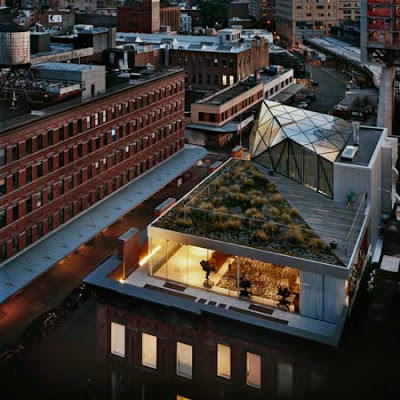
The focal point of the area is the The Standard.  From the top of this sleek and sexy hotel, New York City looks like a playground.  You can sip drinks among Marc Jacobs, Alessandra Ambrosio, Lorenzo Martone and Anna Wintour, while gazing down at Diane Von Furstenberg’s glass-encased loft apartment – one that has become a New York landmark, much like the designer has become a fashion legend.  Rumor has it that in the morning you can spot Ms. Furstenberg having breakfast while still in her nightgown, sitting in her dining room, which stands underneath an impressive diamond shaped glass dome.   The Standard however, is not only famous for it’s penthouse bar, but also for its pool parties, which are now a second club, known as Le Bain.  There, you can simply undress and enjoy the evening while sipping drinks in the pool in the company of local luminaires like Terry Richardson and Paz de la Huerta.  

The seductive nightlife of the big apple is not complete however without two of the most popular nightclubs in town: Avenue and 1 Oak.  It was at Avenue that Lindsay Lohan allegedly got in a fight with the blonde Tiffanny Mitchell over The Wanted’s Max George. The brawl resulted in yet another arrest for Lindsay, who once again denied everything.  Lohan somehow managed to get herself back in that club even after being banned after some indiscreet tweets about Justin Timberlake.  At 1 Oak, the scene is less dramatic, but never less flashy.  Rihanna has been known to celebrate a couple of her album launches at the spot alongside fellow musicians like Jay-Z. It was also at 1 Oak that Donald Trump held a bash to celebrate his modeling agency’s fashion week success.  

With the rich and famous, fashion comes hand in hand, and the area does not disappoint.  From the Meatpacking District all the way up among the galleries, a cadre of some of the most exclusive designers in the world have set up shop in the vicinity. 

Balenciaga, Comme des Garcons, Alexander McQueen, Yigal Azrouel, Moschino, Helmuth Lang, Tory Burch, Christian Louboutin, Maison Martin Margiela and Carlos Miele are only a few of the shops worth visiting. For a unique experience, why not try the department store Jeffrey’s, which has one of the most renowned shoe departments in town.  Stop by a Scoop sale for fancy jeans and hip t-shirts.  After all, a good designer bargain is never a bad idea!  

Since most of the shopping is done by foot, a stop to refuel the energies seems more than called for.  Whether it’s for a lunch, a mid-day snack or a celebratory dinner, some of New York’s most celebrated restaurants are in the area; the menus here no doubt indulge any palate.  From a good steak at the biergarten of The Standard Grill to the innovative Thai Cuisine of Sea you can find it all.  At Pastis you can have French and at Buddakan you can have Chinese.  But if the mood is for some American contemporary all you got to do is take a walk up 10th Avenue to try the tasteful delights of The Cookshop. If a simple slice of pizza is what’s called for, don’t you worry, because Artichoke Pizza is right around the corner with its award winning pies.    

The most important part of this area remain – sometimes secreted – within the giant warehouse spaces, which once used to host heavy machinery, grains and pieces of meat and now have given room for multi-million dollar pieces of art.   The art galleries of the area remain the heart of the cultural trading life in this city. The Gagosian Gallery, David Zwirner and Pace Gallery are among some of the most important outposts for art in the world.  Representing artists like Jeff
Koons, Cindy Sherman, Cy Twombly, Francis Bacon, Julian Schnabel, Roe Ethridge, Dan Flavin, Chuck Close, Willem De Kooning, Pablo Picasso and Ed Ruscha, these galleries are an international force.  Put on your walking boots and allow yourself to go from door to door in every block between 9th and 11th avenues from 19th street all the way up to 27th and experience contemporary art, free of charge, like nowhere else.    

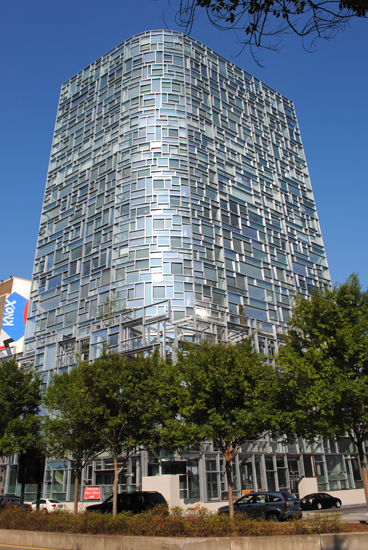
Even though this may not be the most celebrated neighborhood for its residences, some of the most famous people you know now reside here.  Whether it’s in the classic London Terrace or in the ultra modern glass buildings by Richard Meier, Jean Nouvel or Shigeru Ban; a fascinating residential occupation took place over the last decade. This neighborhood currently hosts names like Nicole Kidman, Julianne Moore, Hugh Jackman, Olivia Wilde and Katie Holmes, all of which can be seen calmly strolling around at any given time during the day or the night.  

The most remarkable and breathtaking feature this area still holds true – the Hudson River, which bathes the west side of Manhattan in full splendor.  To sit at a bench on the Highline and watch the sunset from above is one of the most rewarding and relaxing activities one can choose to do at the end of a day.  And believe me, many New Yorkers do, why don’t you give it a try too?

Art is Sacred

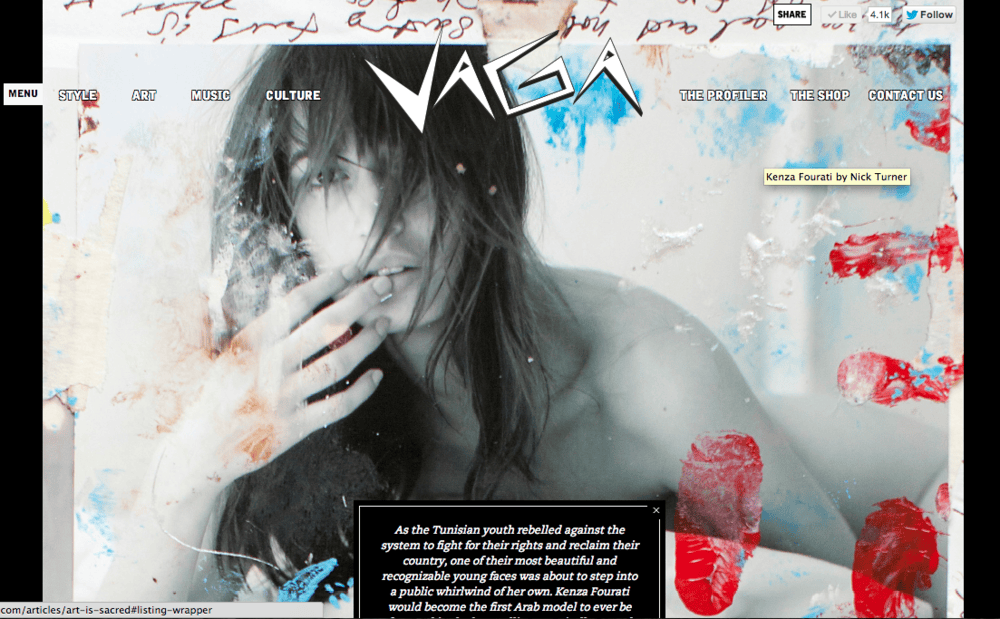
As the Tunisian youth rebelled against the system to fight for their rights and reclaim their country, one of their most beautiful and recognizable young faces was about to step into a public whirlwind of her own. Kenza Fourati would become the first Arab model ever to be featured in the bestselling Sports Illustrated Swimsuit Issue. The significance was immediately established by the magazine, which added a political quote to Kenza’s introductory page. The response from the media around the world, and especially from her own country, was immediate. In the process, Kenza became one of the faces of that young revolution.

Already an active participant in her country’s political struggles, Kenza now had enough influence with the media to spread the word and make more room for Tunisian issues across the planet. Bold and outspoken, the model was never discouraged by her critics, who often created negative Facebook groups or used internet forums to speak out against her and her message. Kenza’s goal was clear: she was going to use her success and public persona to benefit her country, raise awareness of what it has to offer the world, and bring attention to the arts and fashion.

While working relentlessly on putting together her fashion line called “By Kenz” (which launched in Tunisia during Tunis Fashion Week in 2013), the model discovered other ways to connect the dots and kill two birds with one stone. With a degree in French literature from the Sorbonne as well as extensive studies in filmmaking, Kenza has a lot more to share with the world than just her looks.

What led you to the idea of bringing Tunisian artists to America?

Pride, probably. No one ever talks about my tiny country, yet it is shaking the face of the world. And I’m not talking only about the Arab Spring. When I walked around the Occupy Wall Street movements, I noticed several slogans inspired by the Tunisian uprising. After the revocation of censorship, when speech suddenly became free, creativity erupted. New York is a crossroads for artists. I have a duty to help build the bridge and expose both of my worlds.

How do you expect to start bridging the gap between the East and the West?

The strongest weapon ever created is the internet. There is no real geography anymore, just cultures to share. So, I decided to launch a fashion blog this month that will also promote art and culture from both sides.

How do you think Tunisia can benefit from the work you’re doing?

Tunisia is on the edge; it is sculpting its destiny, its history, with Islamists trying to establish dogma everywhere. I want to expose people to new cultures, photography, and art.

Who are some of the artists who inspired you to start this work?

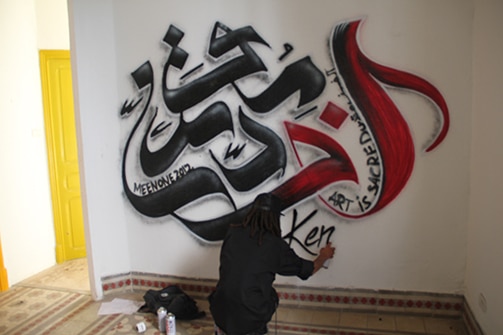
There are so many, but recently I met a young graffiti artist called MeenOne, who is truly fascinating. First, by the way he looks: he has dreadlocks. In Tunisia, it is very rare to allow yourself to look “marginal”. People aren’t used to it, and you are constantly confronted with harsh comments. Authorities will arrest you for questioning and so on. The irony is that it used to be people with long beards who looked suspicious.

Then there is also the fact that MeenOne grew up in a poor region of the country ruled by extremists. In fact, his brother is a Salafist (part of a Jihadist movement). MeenOne used to tag all over the country wearing a mask, but after the revolution, he showed his face and displayed his work in an exhibit last June. The exhibit was considered an insult to the sacred. Some fundamentalists called for his death, and it was his Salafist brother and the neighborhood he grew up in that ended up protecting him.

I didn’t know him personally at the time, but I was stunned by what happened. For me, freedom is sacred above everything, and so is art. So, I started looking for an artist to work on an “Art is Sacred” theme for my website and clothing line, and I came across MeenOne and found him to be extremely talented. I had no idea he was involved in the exhibit scandal at the time. I had already become obsessed with graffiti when I went to Rio de Janeiro in Brazil and discovered Panmela Castro’s work.

And how will you bring that work over to the West?

First through my online platform, and later on I hope to take it to another level and allow some awesome art to be physically shown here.

How involved were you during the Tunisian revolution?

When the turmoil intensified, I asked my family for permission to start publishing articles and videos connected to the subject, and they allowed me to do it. They really are the brave ones, because the danger was truly for them. I got even more involved when a friend of mine, who is an activist, was arrested and disappeared. His wife reached out to me right at the beginning, on January 6, 2011. I decided to stop everything I was doing and focus entirely on the history being made in my country.

What about the revolution made you happy?

I felt infinitely proud, but it was a kind of pride I had never felt before. Pride is normally a very individualistic feeling, but back then it was completely selfless—a collectively shared feeling of pride. I am deeply moved and amazed by it. This revolution belongs to all of us. We are the revolution.

Were you ever afraid of any negative religious or political backlash due to your participation in these movements?

At the time, yes; I was afraid of the political backlash my family could suffer. Religion wasn’t an issue at the time, but that problem came later and is very relevant today.

What do you still expect to see happening for your country?

Democracy is still unfolding. We are navigating what is accepted and what is not, and having Islamists in power doesn’t help.

Do you feel that being a model was or still could be a problem for you in your country?

Yes, it certainly is now, but it never used to be. I am extremely controversial in the country as it has been getting more and more conservative.

Is there anything you think you would do differently in your career?

Last year, I shot a cover for a magazine wearing a bikini, and my body was covered with a Victor Hugo poem. I loved the concept and the poem preaching love and tolerance, but the magazine edited it in an aggressively provocative way that delivered the wrong message. So yes, that would be the only thing I would do differently. I was too naive back then.

How about your clothing line? What are the links with Tunisia there?

First of all, I am manufacturing my entire collection locally. People may not know this, but many great fashion houses like Giorgio Armani and Zadig & Voltaire make their products in Tunisia. I will be using those same factories. Product quality is very important to me and remains my main priority. I will also be launching my first collection during Tunis Fashion Week in April 2013.

  • Originally published on Vaga Magazine.

Illustrated Legacy

A Great Voyeur of 20th-Century Fashion: Illustrator Antonio Lopez Celebrated in Posthumous Monograph and Retrospective

Written by Gabriel Ruas Santos Rocha

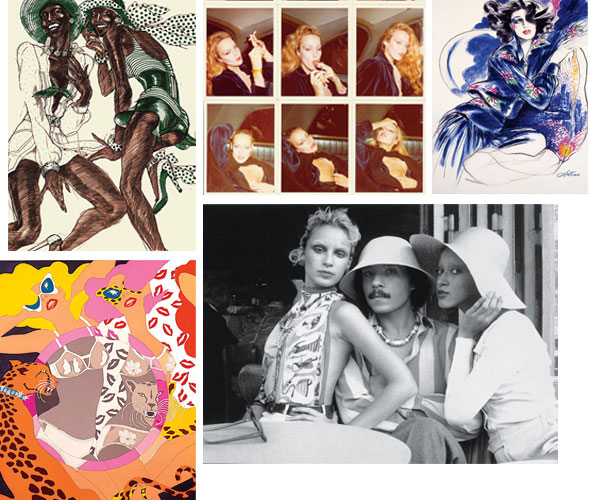
Throughout the history of art and style, countless extraordinary fashion illustrators have left an indelible mark, though many have faded from public memory over time. Puerto Rican-born Antonio Lopez is undoubtedly among the most vital of these figures. After years of lingering in the background of mainstream fashion history, his legacy is being brought back into the spotlight. In a major tribute, publisher Rizzoli is releasing Antonio: Fashion, Art, Sex & Disco, inviting readers into the glamorous, kinetic world of the supreme chronicler of fashion’s golden era between the 1960s and 1980s.

Across his drawings and photographs, Lopez captured the most magnetic personalities and sharpest minds of his era—from designer Halston and Pop Art icon Andy Warhol to supermodel Pat Cleveland. All were framed through the visionary lens of an artistic partnership: behind Antonio’s signature was his lifelong creative collaborator, Juan Ramos. It was Ramos who anchored their creative output, steered art direction, and ensured their work commanded maximum cultural resonance.

That enduring cultural footprint forms the core of this 304-page volume, curated by brothers Mauricio and Roger Padilha—the creators behind the 2009 best-seller The Stephen Sprouse Book. “Both of us were deeply inspired by Antonio’s work, and we hope future generations can experience the magic of his vision,” Mauricio notes.

Lopez, who passed away in 1987, saw his illustrations grace the covers of leading magazines, define major advertising campaigns, shape editorial layouts, and influence runway concepts. His visual language inspired designers ranging from Anna Sui and Norma Kamali to his close friend Karl Lagerfeld. In fact, it was through Lopez that Lagerfeld found the creative momentum to emerge from the shadow of contemporary Yves Saint Laurent and solidify his reputation in Paris.

Antonio: Fashion, Art, Sex & Disco does more than chronicle Lopez’s life; it places the reader directly inside the duo’s creative epicenter. Lopez and Ramos were constantly surrounded by a dynamic circle of muses and confidants—including Jerry Hall, Jessica Lange, and Grace Jones—turning everyday life into an ongoing artistic salon.

Over three decades, their work transcended static page spreads, embedding itself in the collective visual culture of the era. “I don’t believe anyone else has surpassed his ability to capture and translate the social climate of his time through illustration,” Roger Padilha observes.

Lopez’s influence on menswear was equally transformative. The integration of bold color palettes, luxurious textures, and flamboyant silhouettes into men’s fashion owes a significant debt to his daring personal style. Flamboyant and uncompromising, his peacocking drew constant press attention and helped spur the rise of men’s lifestyle and fashion publications tailored to an audience eager to emulate his look.

“He continues to influence the fashion industry today—and he certainly influences us,” say the Padilha brothers, founders of New York creative agency MAO. “Antonio lived his work; to him, there was no division between art and life. We strive to operate with that same philosophy.”

New York audiences will also have the chance to experience Lopez’s legacy in person. Through October 6, the exhibition Antonio’s World is on view at The Suzanne Geiss Company in SoHo. Spanning three decades of illustration, photography, and mixed media, the show presents an immersive installation as bold and dynamic as the artist himself.

Article originally featured in Harper’s Bazaar Brazil, September 2012.

A Love Affair in Tiffany Blue

I have once again interviewed the artist Danny Roberts. This time we talked about his collaboration with the iconic jewelry brand Tiffany & Co. Have a look at the original after the jump or below.

Tiffany & Co.’s Love Affair with Art

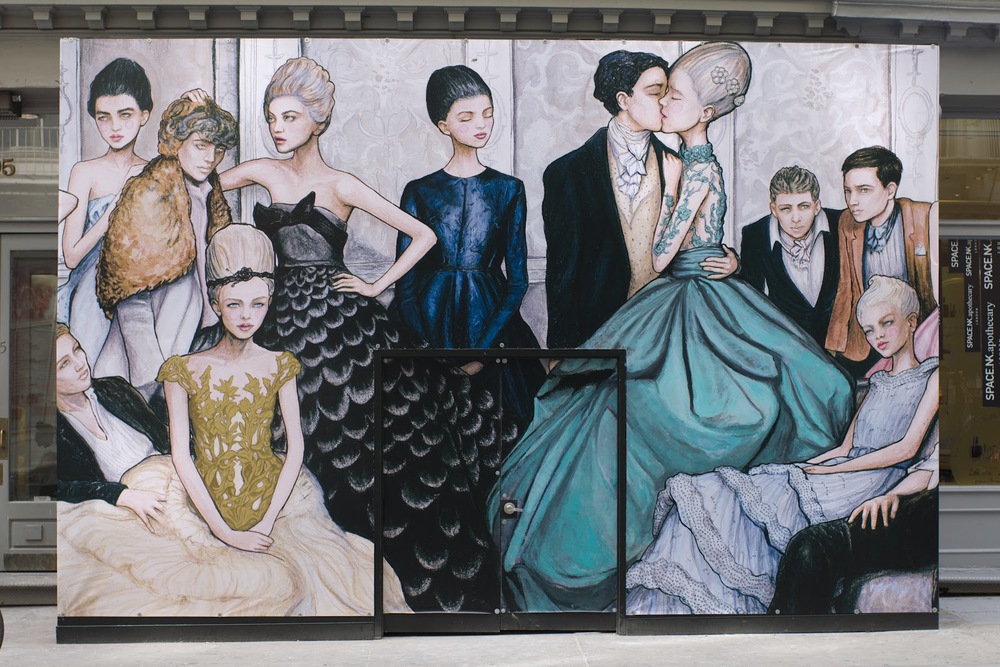
When Tiffany & Co. decided to settle in a new location in the heart of SoHo, they also came with a set of fresh ideas, in a concept that attracts attention to their upcoming store without advertising it, in low key and elegant manner, like the brand itself. Tiffany commissioned  four artists to paint their massive store front on 97 Greene street: Danielle Dimston, Ellis Gallagher, Danny Roberts and Natasha Law; each creating something in their own vision and style. The first three artists showed between July 16th and August 17th; and Natasha Law, is showing between August 18th and 27th. On Fashion’s Night Out the artists  will mix with the usual hurly-burly of fashion when videos and photos of all of the artistic productions will be displayed at the store.
The only requirement for the artists was that they showed their interpretation of what love is and that the iconic color “Tiffany Blue” should be incorporated in their work. Love is not a theme that is foreign to the company, which is probably the brand that is more associated with romance than any other in its field.  As for the color requirement; well, ask any woman how they’d feel if they got a box in Tiffany Blue as a gift and there will be your answer. For the moment though, see what Danny Roberts has to say about his collaboration.
How did you come up with the concept for this mural?
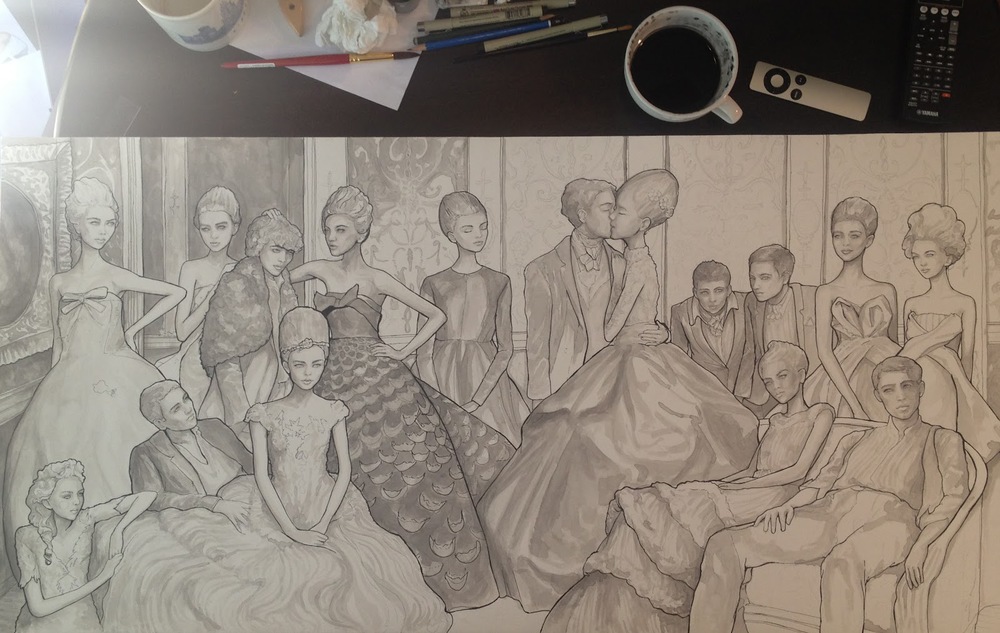
Since the theme of Love is an essential part of the Tiffany and Co. brand, they wanted the theme to be my interpretation of love. My first thought was of a guy and a girl in love, and the girl wearing a dress in Tiffany Blue. From there, the picture began to center around things I love. Since I love painting, couture and high fashion collections, I thought to incorporate that into the composition. The guys clothes were inspired by 1837 which was the year Tiffany’s was founded. Also, I love castles and old architecture, so I decided to set the picture in a palace.  
Were you nervous about producing something in such a large scale?
Yes, definitely, but it’s something that I am a little used to. Whenever I try something different, there is a nervous excitement that comes with it, but it’s a feeling I actually love.
Are any of the characters in your painting inspired by people in your life?
Yes, not all of them, but a few. The guys, for the most part, were referenced off of me, just because it was the most convenient. Some of the girls were inspired by Lily Cole, Ali Michael, and Sophie and Gemma Ward. I chose them because they are girls I am used to drawing, and I really enjoy drawing them.
Anything curious happened while you were working on it?
Not really, except that the brand had asked me to sign my name in the mural in the back of the store, where the two other artists had already signed too and the whole wall was tagged by graffiti artists, so I had to climb all the way to the top to sign. I think they saw Ellis’s signature (which resembles a tag) and felt inspired. (laughs)
You can also follow Danny Roberts and Igor & Andre on Twitter.

Dreaming Awake

Danny Roberts is a a very inspiring young man. At the age of 13 he was already creating his own t-shirt line and by the time he was 23 he was already making collaborations with brands like Lancome and Harajuku Lovers. Not many with twice his age have.

I was fortunate enough to interview him for Look Books and you can read the result right HERE.

Enjoy,
x

Dreaming Awake: An Interview with Danny Roberts

Hailed by magazines like Elle, Teen Vogue, Vogue Italia and Vogue Spain as “the one to watch” in fashion illustration, Danny Roberts is very humble about his accomplishments. To him, being recognized by something he does purely out of love is surreal and a blessing, but to the fashion world, it is seen as well deserved.
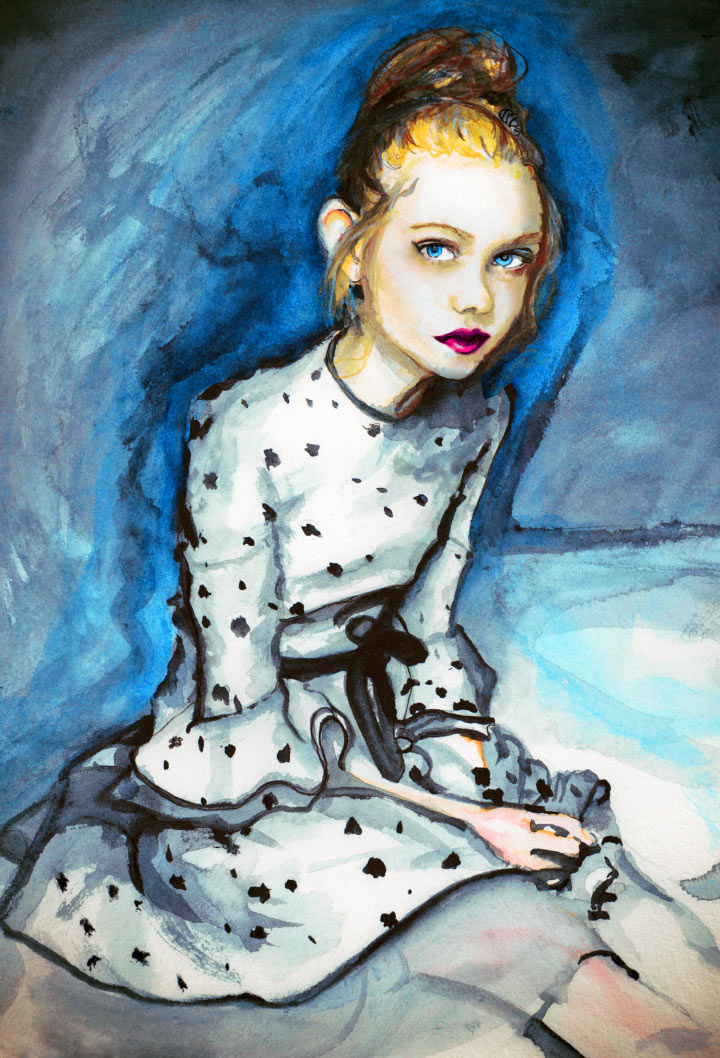
A talented artist from a very young age, Danny always had an interest for fashion and art, which he put to use for a small line of t-shirts he created when he was only thirteen. The t-shirt line continued to exist for another seven years, paralleled with Danny’s incursion in fashion design school and his production of drawings and paintings that were inspired by his favorite muses: the models in the fashion campaigns and magazines.
Fueled by the likes of Gemma Ward, Ali Michael, Tanya D. and Polina Kuklina, the artist produced hundreds of portraits which were then sent by him to his subjects as a way of thanking them for the inspiration. By word of mouth his work spread through the internet via his blog Igor and Andre and became a sensation. Collaborations with designers like Rachel Antonoff and brands like Lancome, Forever 21 and Harajuku Lovers (owned by the pop star Gwen Stefani) have been added to the long list of accomplishments that this young man has accumulated. 
Here, Danny Roberts shares with us his thoughts on art, the future in fashion and the things that make his life more like a dream.
Your work is very romantic and ethereal; would you say that your inspiration comes from a “dream world” or perhaps a vision of what you would like things to be like?
Yes, my inspiration comes most definitely from places outside of this world, or by images or models that look other worldly. I’ve always been a bit of a dreamer, and as far as I can remember, throughout the days I daydream about the imaginary world. I am really drawn to images or pictures, and I try to create images that remind me of that world.
In your work I see a little bit of Francesco Clemente, as well as Egon Schiele. Are you familiar with their work?
I am not familiar with Francesco Clemente, but I am familiar with Egon Schiele’s work. I actually first found out about Schiele in my first drawing class at The Academy of Art. It was a figure drawing class and my teacher told me she thought my drawing looked like his. So I looked him up that night and fell in love with his work, I am a big fan.
Your work as an artist has brought you closer to an industry which you admittedly admire and want to be a bigger part of. Was that your intention when you started drawing and painting?
No, actually I went to school for fashion design, and I was planning on being a fashion designer. It just so happened that my first few classes were fashion illustration, and my teachers told me that I should pursue Fashion Art & Illustration for a career, so I took their advice figuring I could always do fashion design at a later time.
How was your reaction when you were approached by Harajuku Lovers for a collaboration?
I remember it was early in the morning when I read the email, and I read it over like three or four times before it sunk in that Gwen Stefani had seen my artwork before. Then I spent the rest of the day with a big childish grin on my face. It was an awesome feeling.
What do you consider to be your most significant collaboration thus far?
The cover for The Sunday Times Magazine from London was definitely the most special collaboration. It was the biggest honor to have my tribute portrait of Alexander McQueen in the cover of a magazine in his home town. He was by far my favorite fashion designer.
Do you see fashion as a form of art?
Yes, most definitely, because it takes imagination to design fashion.
How do you see the future of the fashion industry with so many technological advances?
I think the technological advances are going to make the fashion industry more open to its consumers. Already, I’ve seen a few brands launching ways for their customers to customize their clothes to fit the individual. I also feel new technological advances will allow a next level of access and interaction with every area of the industry.
Vogue Italia on-line said “One may get lost in wonder observing as He proceeds to give shape to his illustrations – and I believe artist Danny Roberts is perfectly aware of that, considering the countless videos on YouTube showing the artist in the act of painting.” – now, are you aware of that? And how did the idea for the videos come to be?
(laughing) Well, the whole idea of time-lapse videos of me drawing came to me one day when I was thinking that if my favorite artists were alive today, what would I like to see more than anything from them? I thought it would be amazing to see them painting and drawing, and it would be great to see their process from start to finish. So I thought it could be something that my blog readers would enjoy.
What is your ultimate dream as an artist?
To be able to create the things I dream of without any limitation.
Follow Danny Roberts on twitter at @danny_roberts
You can also follow his blog, Igor and Andre at @igorandandre

The Horse as a Muse

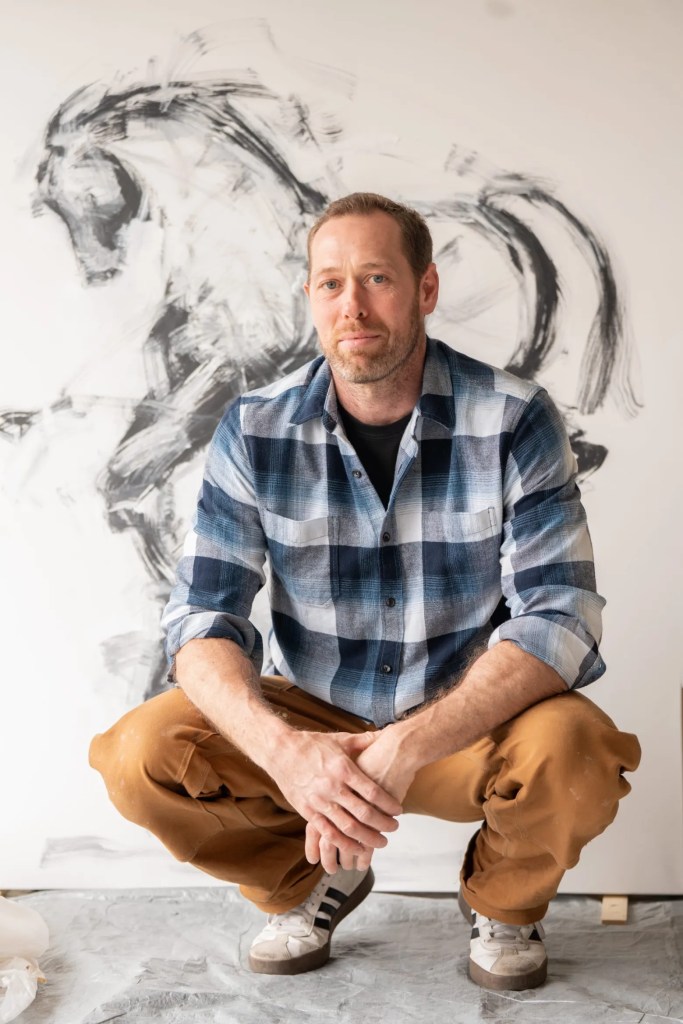
Born into a family led by an artistic matriarch and raised by parents who shared an artistic sensibility, Nick Turner grew up surrounded by creativity and visual expression—influences that fundamentally shaped his identity. Born in Boston, Nick was raised in Maine and homeschooled until age fifteen. His next chapter took him to France, where he completed his International Baccalaureate at the International School of Toulouse.

Nick went on to study at Parsons Paris, packing his bags for the City of Light. During his time at Parsons, he navigated a debilitating period of depression, finding solace and direction through his artwork. It was during this period that he met photographer François Rousseau, who was working on the monograph Atelier, inspired by Patrick Grainville’s novel L’Atelier du peintre. Rousseau cast Nick as one of the central figures in the book, portraying the archetype of the tortured artist—a natural role for Turner at the time. Their connection developed into a close mentorship that solidified Nick’s commitment to pursuing art as a serious lifelong path.

Shortly after, Nick relocated to New York to finish his degree at Parsons. Arriving in Manhattan was a sensory shock; having never visited before, he was struck by the city’s relentless pace, flashing lights, crowds, and ambient noise. He recalled “walking in the shadow of so many tall buildings and places I’d only seen in films”—life suddenly felt cinematic.

In New York, Turner’s career quickly gained momentum. He began photographing models in his preferred aesthetic: raw, candid, and often set within untouched natural landscapes. His evolving body of work soon caught the eye of prominent figures in the art scene, including Clic Gallery, which began showcasing his prints in both Manhattan and East Hampton.

Now preparing for his second solo exhibition alongside his debut book project—both centered on his signature raw, organic visual language—Turner shares insights into his creative vision.

Who are some of the artists who influence your work, and why?

I grew up around artists. My grandmother was a painter, and I spent a great deal of time watching her work; as I get older, I can distinctly feel her presence in how I create and think. Naturally, there are several well-known artists I deeply admire. Jenny Saville is by far one of my favorite painters; I recently saw her work at Gagosian in New York and was blown away by her portraits in person. I am also very inspired by Peter Lindbergh’s photography—it feels grounded, often with a documentary sensibility that I love. Russell James is another photographer I respect; there is something remarkably clean and elegant about the way he captures women.

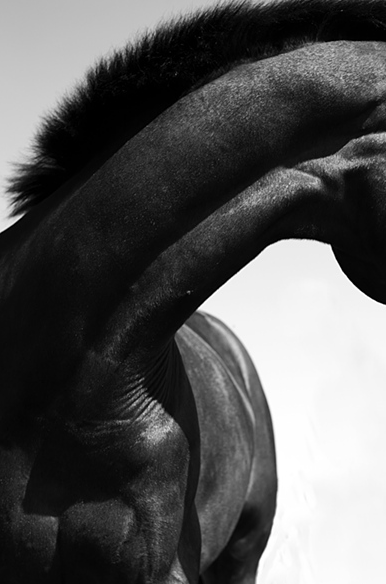
Your work reveals an intimate relationship with horses. Why horses?

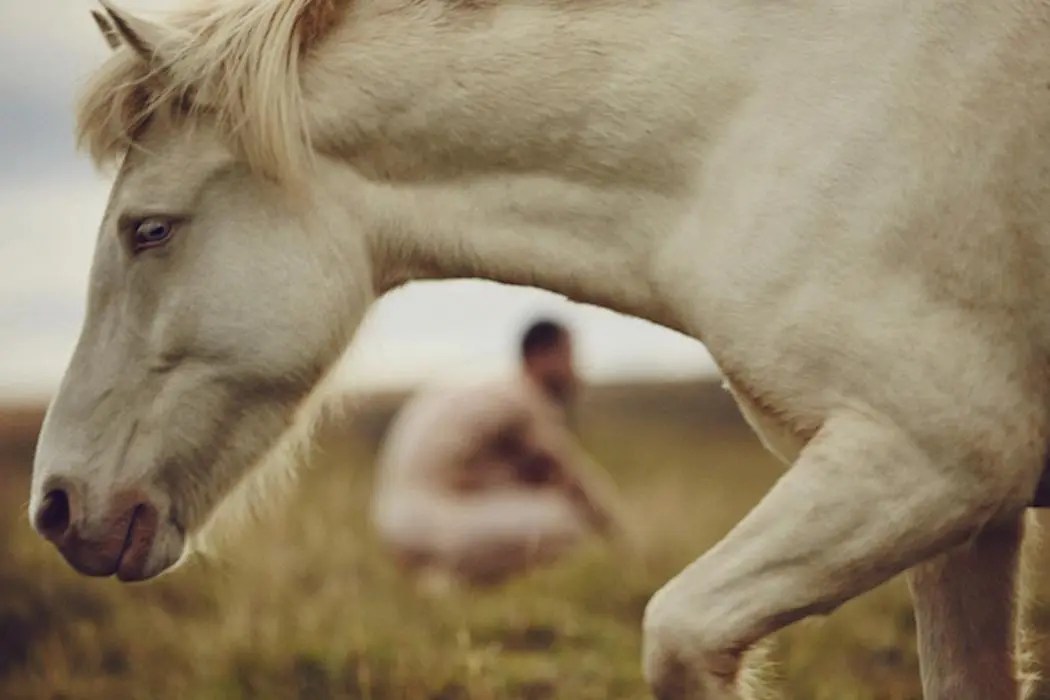
I grew up riding competitively in Maine. I’ve always felt grounded around horses and share an instinctual bond with them. I am deeply affected by the people and energy around me, and horses are similarly perceptive creatures that respond directly to emotional nuance. Growing up, I rode with a formal saddle and traditional attire. Today, I ride bareback most of the time. There is nothing more invigorating than sensing the power of a horse moving beneath you. To me, they embody purity, truth, strength, and beauty all at once. A quote often attributed to Winston Churchill always resonates with me: “There is something about the outside of a horse that is good for the inside of a man.”

What is the connection between the women you portray and horses?

Humans are not as detached from nature as we often like to believe; we are still animals at our core. Women and horses share striking parallels: grace, resilience, power, and sensitivity. I continually look for those qualities when photographing either subject, whether together or independently. Capturing that visceral dialogue between a horse and a woman has been a driving concept for me, even if the exact emotion can be difficult to articulate in words.

You are primarily known for painting and photography. Are there other mediums you wish to explore?

Definitely. My formal training is in drawing and painting; photography evolved naturally along the way. Film is the medium I want to pursue next—starting with short films and gradually moving toward larger cinematic projects. When working on location, I tend to visualize scenes through a cinematic lens rather than as static frames.

You have traveled to remote coastlines in Iceland and Scotland. What draws you to these environments?

I am instinctively drawn to desolate, stark, empty landscapes. The energy in those places is quiet and inspiring; it makes me feel alive to experience nature in its raw, unmediated state. Whether looking at a scene through an artistic or aesthetic lens, that elemental beauty in both humans and nature is the most compelling thing to capture. In the black sand beaches of Iceland, the ocean, and the volcanic peaks, you feel the weight of the landscape rather than merely seeing it. Art requires that kind of depth. Spending too much uninterrupted time in studios or cities tends to make me feel claustrophobic.

What qualities do you look for when directing your subjects?

Sincerity and unforced moments. I avoid overly theatrical poses or having models simply act out a generic concept. I want to photograph the authentic person. A shoot becomes difficult if there isn’t genuine trust and openness between us. Through the camera, you register whatever the subject is feeling, so establishing an honest rapport is essential. I prefer an organic process where the session unfolds naturally, very much like building a painting without forcing the outcome.

If you could collaborate with any woman as the subject of your photography and painting, who would it be?

Lara Stone. Her presence and features have an elemental, magnetic quality unlike anyone else. Given my current work exploring strength and raw beauty through women and horses, she stands out as an exceptional muse.

What is your primary ambition as an artist?

To bring the concepts in my head to fruition with complete creative freedom, and ultimately to create work that connects with people on an emotional level.

Do you believe there are limits to creative ambition?

Not inherently—only the boundaries you place on yourself. However, realizing long-term goals requires immense patience, which is something I am continually learning. Every shoot and project is an opportunity to refine the process and push past previous benchmarks. That drive to improve is what constantly expands the scope of what I want to create.

Visit Nick Turner’s website to explore more of his portfolio, and follow him on X and Instagram: @nickodt.

  • Originally published on Lookbooks.

Warm Winds

On an evening when the art world had its eyes on the Armory Gala Benefit, Hauser & Wirth managed to draw a discerning crowd to the opening of Bharti Kher’s exhibition, The Hot Winds that Blow from the West, featuring five new works by the acclaimed London-born, Delhi-based artist.

Visitors are welcomed by A View of the Forest, a striking multi-toned green composition rendered in Kher’s signature bindis, before being ushered down the hallway to encounter A Line Through Space and Time. The piece—a standalone staircase leading to nowhere in an empty room—is meticulously covered in sperm-shaped bindis, offering a compelling visual meditation on fertility, time, and transition. Bindis, far more than decorative elements in Indian culture, have remained central to Kher’s practice since 1995. As the artist explains, they are “meant to represent a third eye—one that forges a link between the real and the spiritual-conceptual worlds.”

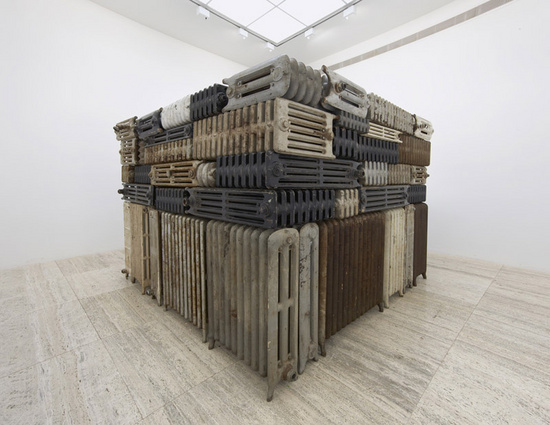
The exhibition’s heavyweight titular installation, The Hot Winds that Blow from the West, commands the rear gallery. Though it could easily occupy a larger space, the work remains astonishing in scale and intent. Over six years, Kher sourced 131 vintage cast-iron radiators from the United States (the West) and shipped them to India (the East) to be assembled into a monolithic, stacked grid.

The title references the Loo, the scorching, occasionally fatal summer winds that sweep across northern India and Pakistan. “We think of winds as harbingers of change, carrying voices of transformation,” Kher notes. “From where I sit, the winds blowing nowadays from the West—from the places that were the seats of power and authority throughout the 20th century—are no longer as strong or reliable as they were.” Stripped of their functional purpose during their journey east, these symbols of Western domestic comfort are re-contextualized: “I suppose I am sending them back to the West as messengers and, perhaps, warnings. Other voices are changing the landscape now, and political uncertainties have put the world in flux.”

On the second floor sits the exhibition’s most arresting work, Reveal the Secrets That You Seek, previously exhibited at the Centre Pompidou in Paris. Composed of 27 fractured, bindi-overlaid mirrors, the installation transforms the gallery into an immersive space of reflection. While broken mirrors traditionally signify misfortune, Kher binds the fractures together, demonstrating how broken fragments can yield beauty, coherence, and reconciliation.

The final work, The Messenger, commands the gallery on its own terms. Positioned in a striking yoga posture and balanced by its own weight, the fiberglass sculpture is described by Kher as “an urban witch, a woman of both mythology and everyday life—a hybrid.” Drawing upon the iconography of the Hindu goddess Dakini—the feminine manifestation of energy—the sculpture conjoins contradictions of gender, species, and role with a haunting, animalistic presence.

An impressive achievement for Hauser & Wirth, the exhibition stands as a powerful testament to Bharti Kher’s conceptual and sculptural vision.

  • Originally published on Lookbooks.

Manifesto of the Broken-Hearted

“How come you never go there? How come i’m so alone there?” – with those words Leslie Feist kicks off her latest single, recently released as a part of the album “Metals” – another beautifully crafted work of art by the Canadian musician who has brought us so much joy and heart-break before, and it is in the heart break that i want to focus here, because it is so easy for us to take it for granted.

You see, a heart break can be a beautiful thing, a weapon of mass construction, it can build songs, paintings, installations, books, journeys and even careers. It is not by chance that we are put to test like that, it is not by chance that we are compelled to feel our heart ache so much that it feels like we don’t want to feel anything at all. Just like we need to fall, in order to learn to get back up, maybe it’s getting our hearts broken that will teach us how to master the art of falling in love and dealing with every heart break, minor or major.

It is so easy for us to feel like the other one is at fault, or that we did it all wrong, and then to turn ourselves in martyrs; but why, i ask? Why should we put ourselves through so much pain and misery? It is ok to feel the pain, but living through it is the best part, let’s look at it from another angle, maybe this pain that comes from a heart-break is like a rare delicacy, it’s like that flower that blossoms only once in every few years, and we need to enjoy it as much as we can instead of trying to smash it down, for there is beauty even in the ugly; didn’t someone once say that “the beauty is in the eye of the beholder”?

Well, what i would like to propose here is an exercise, it’s a new way to look at our pain, whatever that is and wherever it comes from, and to turn it into something beautiful; like songwriters compose songs that sweep our hearts away, we can transform our pain in something that will make us happy. Through our pain we may discover a new passion, we may find a new friend, we may come to terms with older issues that were put to the side, because a heart break puts us in a place of fear and unease, it also puts us in anger and frustration, and those are all feelings that are great fuel in life, especially for our creativity.

So lets look at our heart break and gracefully learn from it, let’s look at what we did that could have gone wrong and at the end did. We are only human, we are not in control of life, we can’t decide how other people think, feel or react, we can’t control other people’s actions and emotions, so what we are left with is our own stuff to deal with. Let’s look back at our previous heart breaks and think about how much of it was really just because we projected much further than we in fact were living. Let’s look at our expectations and our romantic ideas, and then try to see if the other part involved shared those same ideas and expectations,or if maybe we had allowed ourselves to interpret further and make up reasons for our actions based on our own feelings, not in facts.

Even though it sounds awfully mechanical, it is also truly reasonable, because if you put things in perspective like that, it also helps to alleviate the pain, because it’s like science, you can’t argue with it.

Now, even after much rationalization, there will still be pain, because a broken heart is a broken heart, you can mend the pieces but parts of it will never be the same, and isn’t that a great thing? Because your feelings can change, evolve and grow; you can learn to turn those amended pieces in a great friendship, or you may turn them into a work of art that will blow the world away in lovely inspiration, or it may also be the last drop you needed to really focus in that career you never pursued because your mind was too distracted with other things.

You see, a broken heart is a beautiful thing, because it changes you, because it makes you look at yourself and the world around you in a different way, it makes you reflect on yourself and your life, it makes you put things in check, and it will always be a great reminder of your capacity to love; and if you really give your broken heart all the love and attention it deserves what you may encounter at the end is even more glorious than what you started with.

Below is a video of Feist performing “How come you never go there” on David Letterman. Enjoy! ;)

Pilgrimage

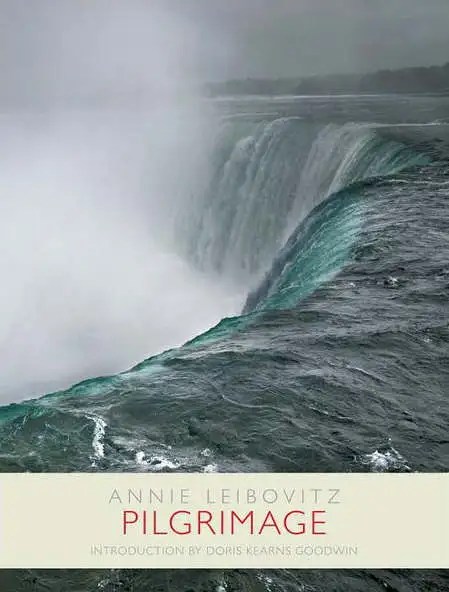
West Chelsea saw a true fashion pilgrimage last night as figures like Tory Burch, Marina Muñoz, and Jamie Johnson flocked down 22nd Street, navigating around a film shoot for the TV series Damages that had brought local traffic to a standstill. Nothing deterred them from their mission: attending the opening of Annie Leibovitz’s Pilgrimage exhibition at The Pace Gallery, hosted by none other than Anna Wintour, the formidable editor-in-chief of Vogue.

Expectations for the event were high. This marks Leibovitz’s first entirely digital project, and the subjects of her photographs are not the famous faces typically seen across the pages of Vanity Fair or Vogue, but rather places and inanimate objects that hold personal resonance for the photographer and cultural significance in history.

Surrounded by images of Emily Dickinson’s last remaining dress, Elvis Presley’s television, Sigmund Freud’s couch, and Abraham Lincoln’s hat, photographer Claiborne Swanson Frank shared details about her forthcoming debut book, while “It girl” Lily Kwong laughed about sourcing an evening dress on a strict budget for an upcoming Vogue.comfeature: “Give me 200 bucks and I’ll make it work!” Coco Rocha made a brief appearance alongside husband James Conran en route to a dinner party. The couple is preparing to host a benefit next week for Lakay Pam, a nonprofit dedicated to supporting children in Haiti. Marking Rocha’s third fundraiser for the organization, the evening will feature the premiere of the documentary Letters to Haiti alongside an exhibition of photographs taken by Victoria’s Secret Angel Behati Prinsloo during their visit to the country last year.

On an evening where fine art shared the spotlight with fashion, Chuck Close’s presence served as an anchor for the night’s core purpose: celebrating art and historical memory. Close reflected on Leibovitz’s latest direction: “It’s interesting to see an artist of her caliber step out of her comfort zone to shoot inanimate objects. The result is beautiful. I’ve never been someone who takes casual photographs—I don’t think I’ve ever taken a picture on vacation. I prefer keeping those moments in memory, so seeing these personal subjects documented this way is fascinating.”

The reception unfolded seamlessly in the gallery’s warm atmosphere. Over white wine and canapés, Karen Elson, Narciso Rodriguez, and Prabal Gurung mingled alongside Catherine Newell-Hanson, Eugenia Gonzalez, and Michelle Harper. Leibovitz signed monographs for friends and guests, and right around 8:00 PM, the gallery began to empty promptly—an understated departure typical of such an exclusive crowd.

Photographs from Pilgrimage will be on view in New York at The Pace Gallery on December 1, 2, and 3, and will travel to the Smithsonian American Art Museum in Washington, D.C., running from January 20 to May 20, 2012. The accompanying book, Pilgrimage, is published by Random House and available now.

*Originally published on Lookbooks.

Art to be Lived

I was having a conversation with a friend of mine,
a fashion editor for an Italian magazine; it was one of those conversations
that happen very unexpectedly in the middle of a hectic week of work somewhere
in Europe. We were talking about our lives, how fortunate we are to be able to
be globetrotting across the planet with our jobs and getting in touch with
different cultures and experiencing so many different lives in one lifetime, to
be seeing things that we used to see in text books in school or in our parents
art books. We spoke of our different backgrounds and the places we now live in
and the places we see ourselves living in, in the future; we decided we are in
did searching for a feeling of a well lived life, which in fact we already
have, given our young age.

But this talk was more in terms of where would we
establish ourselves, where we saw ourselves spending our old age, how our life
would be, what we would become from here on? Well, of course no precise answer
could come out of this conversation, but we do know what we are looking for.

For anyone who has seen the movie “I Am
Love” I am sure the house in which the characters lived in was in fact a
character on its own, possible the most impressive character of the movie. The
house where they lived in, in Milan, had its own character, which was a
combination of years of experience, years of traveling, years of knowledge
accumulated in those rooms. The appreciation for art and architecture that
breathes through the walls, the knowledge of fashion present in its
inhabitants, the admiration for food and the impact of its flavors and also how
they could change a mood with a single bite.

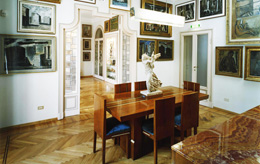
The house in that movie is a character on its own
because it has been lived in, it has felt the love, the laughter and the sorrow
of one or many families, it has seen birthdays and funerals, it has seen
engagement parties and celebrations of all sorts; it looks perfect from the
distance but from up close you can see the floorboards are scratched, the
curtains have stains and the windows may have cracks. Like a person, a house is
allowed to live and accumulate treasures, like we accumulate shoes, watches,
stamps or even a rose from a lover that we keep in secrecy. The house in “I Am
Love” is a character on its own because it is in fact a well lived house, it’s
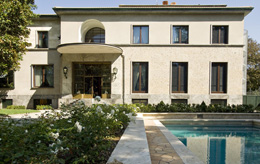
quite possibly one of Milan’s most famous properties, called Villa Necchi
Campiglio, at Via Mozart, today a cultural institution open for visitors and
kept as it was when their owners lived there.

During this conversation with my friend it then
hit me, through something she said, that art is not meant to be hanging from
the cold walls of museums, but in houses and apartments, where it can be shared
with friends and family, where it can be admired and treated with love, like we
would a plant or animal. Art was made to live with people and witness their
lives, and be accumulated by their homes, not to be left alone in a cold room
alongside other abandoned and marketed pieces of art.

 Even though I am thankful for the museums and
galleries, for their existence and for allowing me to see some of the most
beautiful and enticing works created by men, I would adore if more of these
museums could be like Villa Necchi or The Frick Collection are, houses that
have been lived in and were left untouched for the appreciation of the people.
Every time I visit one of these stunning places I ask myself how their lives
must have been and I can’t help but wonder what it feels like to be able to
work there every day. The Pierpont Morgan Library in New York for example is to
me one of the most remarkable places I ever visited in my life, there it is,
the house and life’s work of a man completely devoted to collecting art, books
and obviously money, but that last bit is irrelevant in this case.

Really impressive, and on another side of the
spectrum, was visiting the Frida Khalo museum in Mexico City, because that’s
the place where she loved, bled, and created some of the most beautiful and
relevant works of art seen by men. In that house, Frida and Diego accumulated
art by other artists, their own art, books, animals and all sorts of memories, The
Frida Khalo Museum was to me the epitome of the museum home, every room spoke
to me, it’s almost as if she was there, walking around in her beautiful garden
or flipping through one of her many art books; to be able to see with my own
eyes how that amazing artist lived her life and which books she read and how
she kept her house was a phenomenal and unique experience.

While in Milan I had the opportunity to also visit
the Boschi Di Stefano apartment as well, and these two were very affluent Milanese
artists who acquired more than two thousand pieces of art during their life
together, and by art I mean all types; from paintings to sculpture, from
furniture to chandeliers, it’s all in there for the curious visitor to see, for
free.

It warms my heart to know that someone would leave
their entire patrimony to the city, to the memory of the world, to improve the
lives of those who follow them. To visit a place like this, that always existed
for the love of art, is a blessing, and even though museums were created and exist
to preserve art and were born precisely from the love for art, they haven’t
been lived in, they haven’t had a chance in life, they are these boxes, time
capsules, in which we keep our memories related to art and can access them
whenever possible. It doesn’t seem fair to me, but it sure is great to have
them in such an organized manner.


I have
always had this fear in life, of where I would end up, what would become of me,
then that turned into a fear of what would be done with my belongings, who, of
the people I know, would appreciate having some of the paintings I now own and
would care for it as much as I do? Well, that all is gone now, it is not
important what happens to my belongings after I pass, I will not be around to
see it, but I still definitely hope for the best and that the art I own feels
just as proud and happy for the life they were able to live while they were
living with me as I am proud to have them around me.

The Return

After quite a busy and interesting week of work in Paris it’s weird to be leaving all of that gorgeousness behind. Not only Paris is one of the prettiest cities in the world, but it is also filled with culture and constant opportunities to discover new things.

This time, as always, i left something behind, i wish i could explain what it is, but it’s more than something i can touch, it’s a feeling. I am sure this is in part due to the sensation of having the clash of the modern world with ancient history, having current history happening on such strong historical foundations. It’s also about the fact that even in such a big and famous city, they still manage to maintain unharmed some aspects of life that are really unapreciated or forgotten in big capitals like New York, São Paulo or Beijing.

From a meal – all organic, no questions asked – that can be appreciated with time, where each flavor of every ingredient is enjoyed with real passion, to the ritual of actually leaving your office behind during lunch time and sitting quietly at a small restaurant or square to appreciate your baguette sandwich. There is a better sense of time management in Paris, because so many things that we New Yorkers take for granted, like 24 hour drugstores, restaurants and even supermarkets, in Paris people plan their time, and by some magical twist of fate, everything gets done. Not only everything gets done, but surprisingly everything and more: more than anywhere else in the world, people go to museums, concerts, art galleries, take time to sit and talk to friends in cafés, go to church – if it’s their thing – or simply take a stroll with the dog without obsessing over conference calls or the Dow Jones. In a city where getting a taxi is a mission, you make the extra effort to use public transportation, or even take a walk in the rain, when permitted. in Paris, you don’t have to rush through dinner to get to the night club, why would you? They stay open until the early morning, which in consequence allows you to meet a friend at the end of the day for the happy hour, or like they say, the aperitif, which will then lead to dinner, that will lead to drinks which will only then take you to a loud night club. Also on their side, and of all Europe is the easy and cheap access to so much culture from all those other countries that surround them, or the simplest act of driving down to the beach for weekend getaways at the Cote D’Azur or Provence.

In Europe, people make time for having a good and well enjoyed life, the carpe diem is taken seriously, and it’s that very feeling that lacks in America.Our constant obsession for achieving more, and buying things only drives us mad, not to mention advancing in our careers and trying to become an icon of our trade.The key should be to maintain a healthy rythm at work, but not get overly stressed, not care too much about the sillyness of a job that at the end of the day could end up taking from our lives instead of giving us a life. Learning to become more mindful about my life is a big goal that i am sure to reach. Time is of essence in a city like New York, where people are hungry for success and never happy with what they have achieved, in New York, no matter how healthy you eat or how much you exercise, life is still not plenty, because there is always a need that’s unnatended.

I am sure i am preaching to the choir here, but regardless of that and of all the cons about living in New York City, i still always find a reason to come back. I feel that eventually i may end up in Europe, with a house on the beach or by the lake, living my life like a king, a king who runs his own kingdom and still manages to enjoy all the perks of being the guy who runs the show; but right now, well, right now it’s time to work, start building my empire, whatever that may be, and get ready to move on, because the day the ship to europe sails off the american coast, it will probably be for good.

For now,  i leave my friends and some of my favorite spots behind, knowing that whenever i find some time i can just hop in an airplane and fly straight back to the city of lights, after all, isn’t that one of the blessings of living in the century XXI?

— Originally written in october 2010 and recently found in a dusty notepad. —

Danke Berlin!


This week i am very proud of myself, i did something that is trés grown-up, i went away on a holiday trip to Berlin, Germany – not Berlin, New Jersey. Well, you may be asking yourself – how is that a grown-up thing? – but, yes, it is, because what could be more grown up than traveling to Europe for four days on your own expenses and responsibilities? To throw yourself into the immensity that is the unknown and open yourself to whatever comes your way and then be back to work on tuesday as if nothing had changed, as if 8 hours – each way – inside an airplane was the same thing as going to the deli to get a new bottle of diet coke and a wrap. I was in awe with myself, almost as in awe as when i rented a house on the beach – literally – for the summer, now that was the epitomy of becoming a true grown up!

But getting there was an even more jaw-dropping experience than i expected; not only Berlin is one of the most exciting and curious cities i have ever been, but NEVER have i seen such politeness and respect to others like i have in Berlin, to me that is what the word civilized was invented for. Someone told me that there were only nine homicides in Berlin last year – yes, nine… NINE! Well, i didn’t go as far as believing in that information, but it came from a good source and i am pretty sure that if it wasn’t the most acurate, the actual number would probably not be that far anyway. But my point here is: go to Berlin and learn something about proper living. Period.

So, as you get off the airplane, each gate has it’s own separate immigration, baggage claim, security check, check in, etc. All is individualized and extremely simple and organized, a true shock, specially after having seen half demolished terminals and the atrocity that is the airport in Newark, New Jersey – where else!? So here is where it starts to get really good and juicy, listen up. The minute the doors of your gate open up to the terminal you are invaded by a smell that is a croos between the best croissants i ever tasted and some delicious pastry that kicks France in the ass big time. Then from the ticket booth from the transportation ticket to the flat it was a jiffy. No joke, with two euros i got all the way home, and that included changing from a bus to a train and not going through a gate or a “ticket person” once! Yes, that was the second shock, that is proof that good and honest people exist in this world, here is a country that has the doors to their trains and buses wide open for anyone to walk in at any time and they trust that everyone will stop by the machine before entering and buy their tickets. And they do.

In Germany everything works, no one crosses the street if the light is red – even if there isn’t absolutely anything moving in the road, people don’t speak loudly, they mind their own businesses and respect everyone else’s space. At the same time there is a sense of community that is remarkable, people congregate and communicate to perfection. Punk rock mixes with art, church, school programs, families, demonstrations,cats and dogs all at once and within the space of a small park, everyone takes note of whats happening around them and if they want to join… why not?

Berlin is bustling with art, energy, music, creativity, Berlin is the German capital of fashion, movies, music and arts in general. It seems like there is a museum in every corner and it seems like all of them are constantly busy, even the ones that are temporarily built by the artists themselves in half-destroyed and abandoned buildings. But while all this energy is flowing all over the city, Berlin finds a way to remain very austere and extremely silent. Berlin is so silent that at times it becomes scary. Aside from a couple of central spots like Alexanderplatz, which would be the equivalent of a downtown area for instance, Berlin is without exagerating one bit, as quiet as being in the middle of the country or in a farm. Walking through the streets on any time of day o night all you hear is steps from other people walking near you and the eventual louder car noises, but the predominant sound in the streets is of the birds hapilly singing from the top of the trees, that are also plenty. At night it becomes so quiet that the mere steps of someone outside will seem loud, especialy since there aren’t really that many people roaming around.

The nightlife and the bars are also a thing of their own. People are respectful of the neighbors and enjoy themselves inside if they want to be loud, and if you think that the streets are taken by bars and 24-hour parties, well, they are not. Berlin manages to have one of the best night lifes in Europe without being noisy and annoying to everyone else, which to me is truly bizarre and hard to achieve.

The overall behaviour in this city is of deep respect, you can be walking down the street topless and people will not be staring or making comments, you will see, like i have, men with heir butts showing in one of those fetish leather pants, walking around naturally like everyone else, and not a single person cares, to which its own.

Berlin has grown to become such an important cultural hub and trend-setter for Europe that you even forget the whole wall deal. And it seems like that’s what they really want to see hapening. That damned wall is nothing but a sad reminder of bad days gone by, of atrocities and deep disrespect to other human beings, but still, parts of that wall remain there, as a reminder to this new generation of all that has gone wrong, of all injustice and foolishness that has been poduced by none other than human beings just like any of us – well, maybe not me, but i can’t b so sure about you – just kidding.

I have thought of many theories to explain what makes Berlin such a riveting and civilized city, but the best one is that it probably was restrind and contained for so long that pople just learned to live under strict rules and respct each others space, people had to learn to live with each other and endure through good, bad o ugly. the sense of community must also definitely come from that same place. it seems to me that the ways of Berlin can be quite deceiving for those who go visit unaware of their costumes. But mostly in a good way, of course.

Berlin, made me shine, through every corner, park, grafitti, museum, river, creek and fountain, Berlin had a magic that was really hard to explain and even harder to put into words, Berlin filled my heart with joy and opened my eyes to much brighter world, where people can rely on each other and trust whoever or whatever. Berlin in its entirety was the most inspiring experience i have had in a long, a very long time!