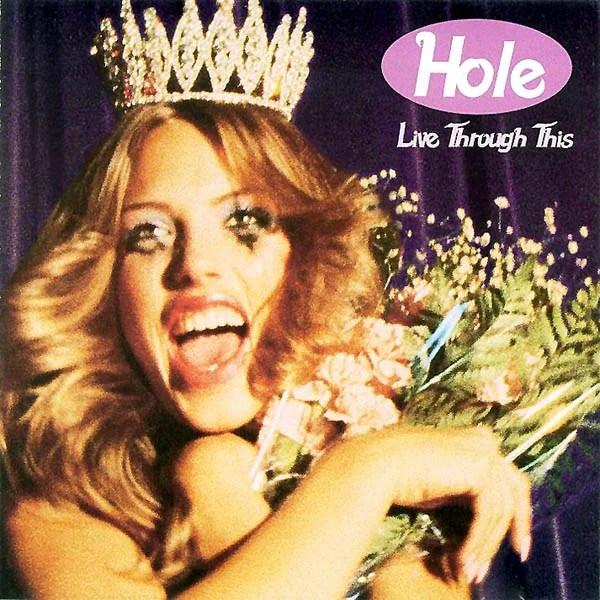
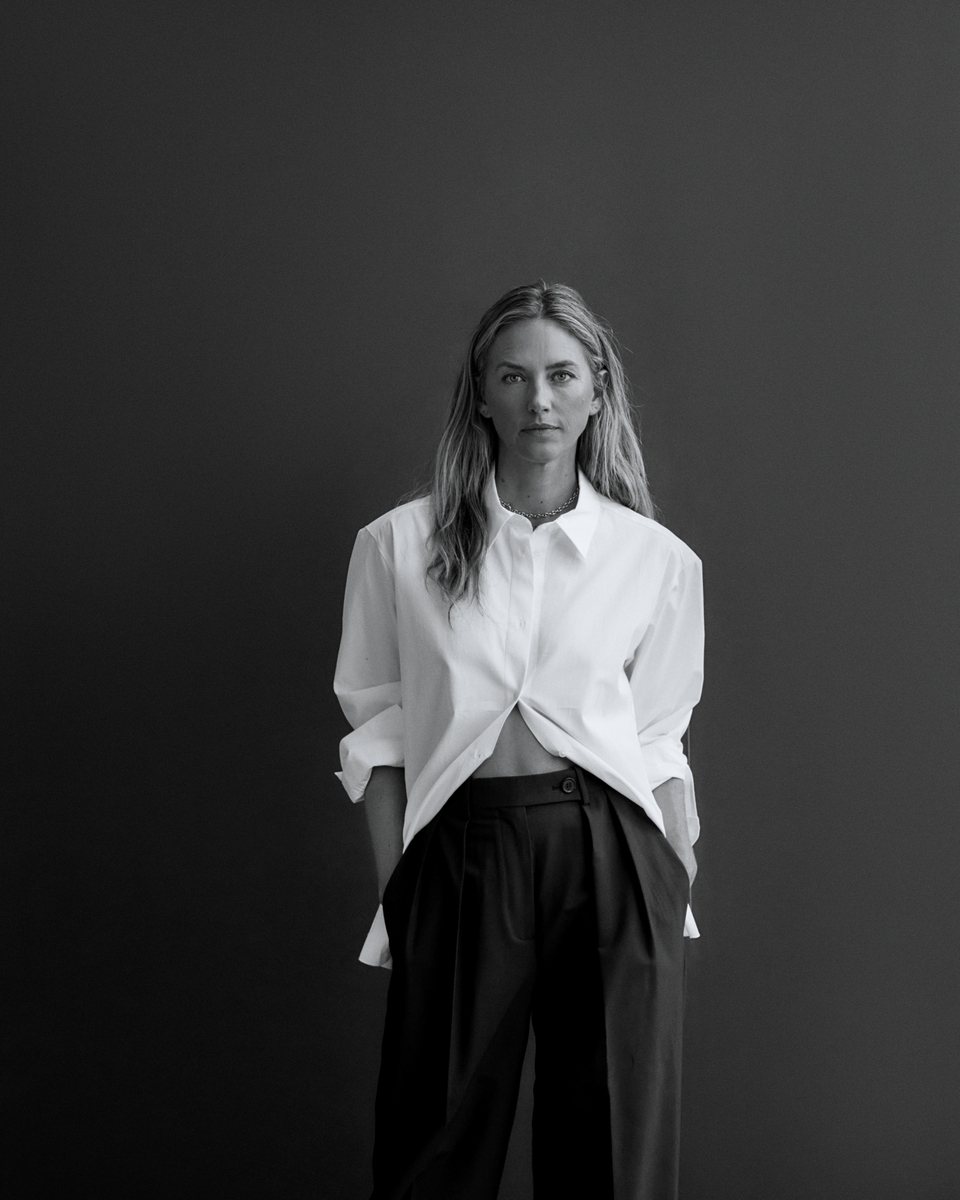
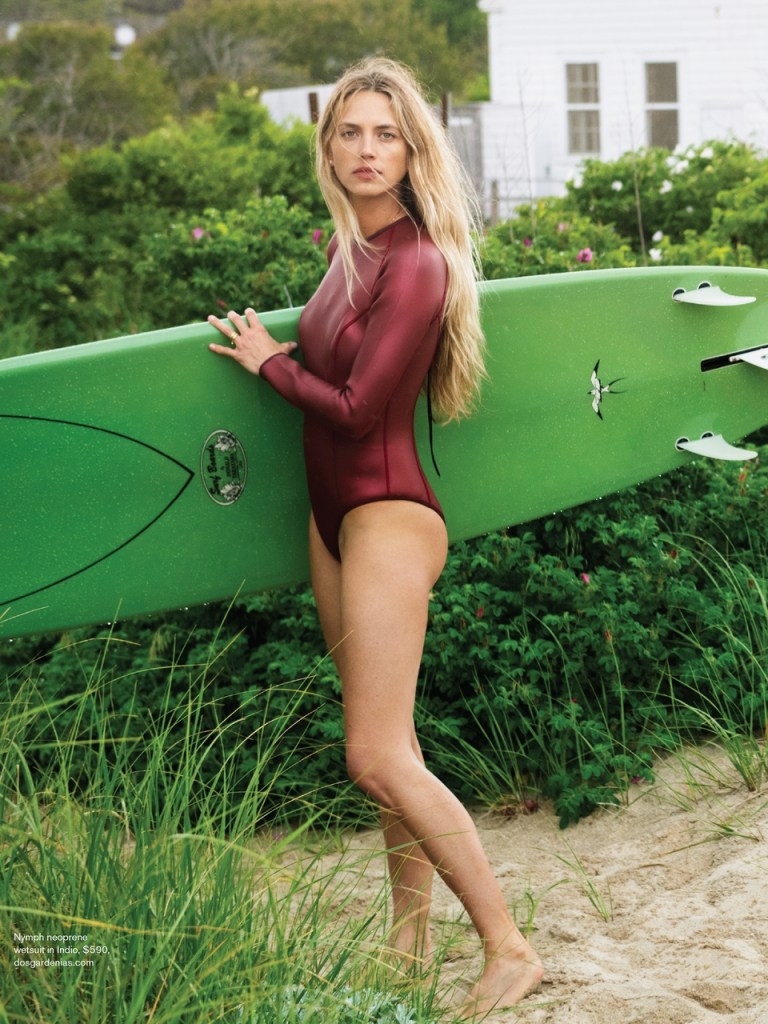
Leilani Bishop is a household name in the modeling industry. In the 1990s, she became famous as the radiant, sun-kissed surfer girl with the all-American look designers had spent years searching for. She went on to star in campaigns for brands like Tommy Hilfiger and Polo Ralph Lauren, graced the covers and pages of Vogue and Allure, and even appeared on the iconic cover of Hole’s hit album Live Through This, fronted by Courtney Love.
After years in the spotlight, traveling the world, Leilani moved back home to Hawaii to start her own fragrance line. Unlike many famous models who simply license their names, she chose the road less traveled—building the company entirely from scratch through deep research and hands-on dedication.
Today, Leilani Bishop Fragrances is an established, standout brand in a crowded market. That doesn’t seem to faze the model-turned-founder; she approaches entrepreneurship with the same grounded calm that defined her modeling career, tackling challenges with the easy grace of her Hawaiian roots. Here, she shares a bit of her story with us.
What inspired you to build your own fragrance line from scratch instead of just licensing your name to a mass-produced product?
I wanted to create and truly own something. I love being hands-on and having a say in every detail—there’s a fine line between entrepreneur and control freak! I also wanted to build equity in my own name rather than represent someone else’s brand yet again, and I wanted to do it on my terms so that if it worked, I could build a lasting business around the line.
How challenging was the transition from initial concept to a finished product on the shelves?
It took much longer than I expected, and I learned a lot about myself and how I operate. I’ve streamlined my process significantly since launching eight years ago. While I’m far more efficient now, it still wasn’t easy breaking into an industry with such traditional, rigid ways of doing business.
Most mainstream brands stick strictly to alcohol-based sprays, while existing oil-based scents often lack a modern aesthetic or just mimic popular perfumes. Even though perfume oils aren’t new, your approach—from the bottle to the roll-on applicator—feels elevated and innovative. Did you notice that gap in the market, and did it shape your vision?
Absolutely! All of those factors were a huge part of my motivation. I’m a bit obsessed with the Victorian era, where even the smallest everyday objects—down to toothpicks—were elegant and crafted from beautiful materials. I wanted women to experience not just the fragrance, but the entire ritual: the beauty of the packaging, the tactile sensation of rolling it on, and the light, clean profile of the oil.
How extensive was your research during the development phase, and how much time elapsed between your initial concept and holding the first finished bottle?
It was an extensive seven-year journey from concept to launch. Living in Hawaii when I first came up with the idea probably contributed to the slower start. It took time to break into the trade side of the business because it’s a tight-knit industry and few suppliers cater to small businesses. Interestingly, I didn’t do much market research on what was trending; my research focused entirely on execution and craftsmanship.
Your website includes a guide on how to properly apply fragrance—something most people assume doesn’t need instructions until they read your tips. Where did you learn about proper application, and why was sharing that knowledge important for your brand?
That actually came out of a conversation with Piper, who was working with me at the time. We were discussing the pros and cons of oils versus sprays, and the habit of rubbing wrists together came up. Piper has an extensive background working with major perfume houses and debunked that myth for me: rubbing your wrists actually crushes and destroys the fragrance notes. That fascinated me, and we realized consumers deserved to know, too. Fragrance should feel elevated, and applying it improperly can ruin the whole experience—whereas doing it correctly makes wearing scent engaging and delightful from start to finish!
Your current trio of scents is rooted in sensory memory. Are you planning to expand the collection with new scents or venture into men’s fragrances?
Yes, I will definitely be releasing more scents. They will also draw from sensory memories, just exploring different avenues. And I’d love to develop a men’s fragrance—my husband keeps asking for one, so it will definitely happen down the road!
As a top model, you’ve experienced how fast trends shift in fashion. Do you see similar trends in fragrance, and do they influence your creative process?
There are definitely fragrance trends. Because I’m naturally curious, read constantly, and follow what works in the market, I’m sure I absorb some of that influence subconsciously. That said, I have clear visions for future releases and don’t worry too much about chasing trends—I trust my brand and its identity.
Your current lineup focuses on single-note scents. Do you plan to introduce blended accords in the future, or are single notes core to your brand philosophy?
While single notes aren’t strictly part of our mission statement, they certainly form our foundation. I will definitely explore blended scents, though—in fact, I have a project launching next fall that combines a couple of my personal favorite notes.
Can you share a teaser about that upcoming project?
It’s a custom candle and scent project designed for a new boutique hotel in South Beach, opening in the fall of 2014.
What sets your brand apart from mainstream perfume houses, and what makes you most proud of what you’ve built?
It’s a true niche product with the sensibility of a high-end luxury perfume. It stands out on its own without feeling mass-produced, and the design intrigues people before they even smell the scent. Plus, everything is made in America. I could go on and on—I’m just incredibly proud of this line.
How did your background in modeling shape your entrepreneurial journey?
The industry network I built certainly helped—it’s an incredible feeling to work within my field and receive support from people I admire. More than that, being self-employed my entire adult life gave me the discipline and hustle required to build a business from the ground up.
Would you ever consider designing a scent for a major heritage brand if you could maintain your production standards?
Absolutely! Having access to that level of resources would be incredible.
Where do you envision the brand in ten years?
I’d love to see an expanded collection featuring more oils, bespoke luxury scents, artist collaborations, and an extended beauty line including candles and seasonal capsule collections. Giving back remains essential as well: 10% of net proceeds will continue supporting women and special community initiatives.