In my Model Musing column two weeks ago, an interview with the Australian bombshell and musician Cheyenne Tozzi who is finalizing her first album to be released at the end of 2012.
Have a look and enjoy!
Press materials involving Gabriel Ruas Santos Rocha crediting him and his work as a writer and model agent, written by him.
In my Model Musing column two weeks ago, an interview with the Australian bombshell and musician Cheyenne Tozzi who is finalizing her first album to be released at the end of 2012.
Have a look and enjoy!
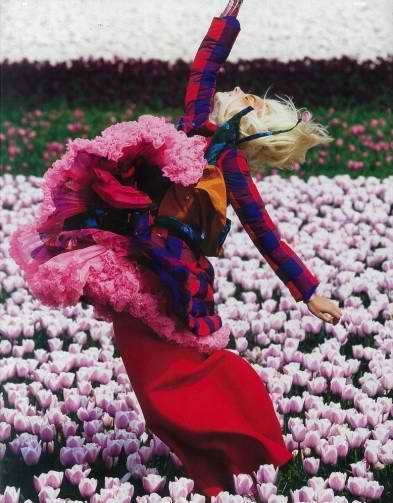
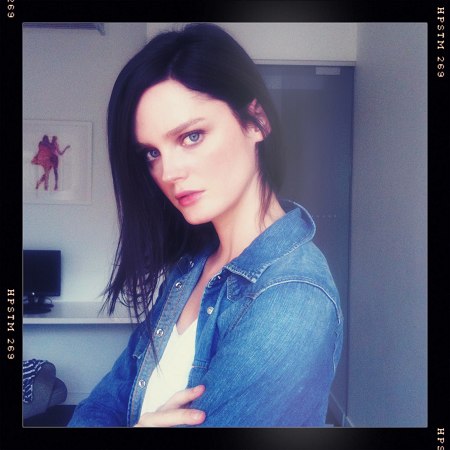
This week I spoke with the Dutch model Lisanne De Jong for my Model Musing column at Look Books.
Have a look at the full story here or read below.
:)
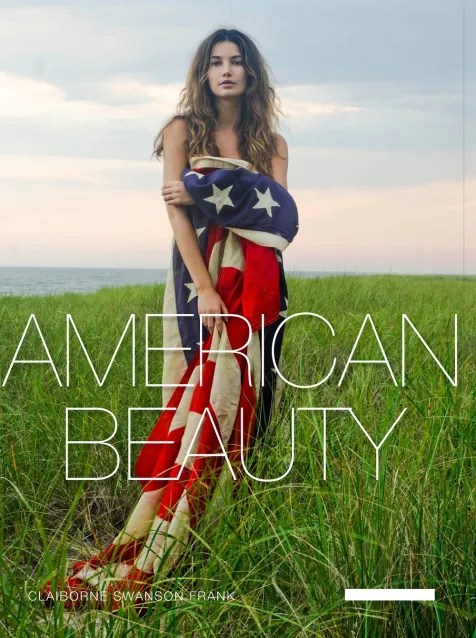
The more you gaze at Claiborne Swanson Frank’s portraits of women, the more your mind wanders: Who are these women? Where do they come from, and what were they trying to convey when they sat for these photographs? An image that might initially appear simple begins to unfold stories—some drawn from what you may know about the subject, and others sparked purely by imagination, as many of the women remain unfamiliar to the viewer. It feels akin to studying the Mona Lisa, wondering about the sitter’s era, what prompted her to pose, and what her world was truly like.
In American Beauty, Swanson Frank shares stories of accomplishment—of women who excel in their fields, pursued their visions, and embody a sense of authentic beauty that the photographer sees in women everywhere. Across the more than one hundred portraits collected in this volume, readers gain insight into the lives of these subjects and understand why they inspired the photographer. Along the way, the portraits also reveal much about the artist herself, whose passions and sensibilities are mirrored in the people she documents.
Here, Claiborne shares her thoughts on her landmark monograph, American Beauty.
In your book, there is a quote by Carrie Latet about never waking up from the American dream. Do you feel you are living the American dream—or at least what that dream represents today?
I feel very fortunate and honored. I am definitely living my dream, but I believe the American dream is fundamentally about striving for your greatest potential. Each of the women in this book, for instance, is the product of her own version of that dream, and that is the central message. I have never met two women with the exact same aspiration; they come from diverse backgrounds and have distinct stories to tell. I tell those stories through portraiture.
What were your criteria when choosing your subjects?
As an artist, I need to feel inspired. All of these women contribute to society in meaningful ways, but ultimately it came down to intuition and the creative spark I felt when learning about them.
Through the process of documenting these women, did you discover things about yourself that you were previously unaware of?
Definitely! This project began as a personal portfolio, which grew into an exhibition and eventually evolved into this book. Because I wanted it to be a genuine collaboration that captured who these women truly are, the process also helped me discover my own artistic identity—I truly became an artist through it. It has been a wonderful gift to follow my intuition and realize how much I had yet to learn about myself.
Did you anticipate from the beginning that the project would feature such a diverse group of women?
I was very intentional about celebrating diversity. The country is in a dynamic place, and over the past decade, the role and representation of women in society have evolved significantly. Looking at my own heritage, I am American with a blend of Cuban, Swedish, German, and French roots. That is why I enjoy asking people about their backgrounds—our unique mix is what makes us distinctive.
What about the men in your life? Will they have the opportunity to sit before your lens?
Probably not. I have an amazing husband and great respect for men, but my creative focus and passion lie in capturing the beauty of women. To me, women are the ultimate expression of that elegance, and that is what drives my work. Furthermore, I find that many men today are hesitant in front of the camera. That feels like a missed opportunity, as portraiture was once widely embraced by men, and I do believe every remarkable man deserves a timeless portrait.
American Beauty is published by Assouline and is available at Assouline boutiques worldwide and online.
*Originally published on Lookbooks.
Another week, another Model Musing, this time with Carolina Fontaneti.
Have a look at it here or read below.
Danny Roberts is a a very inspiring young man. At the age of 13 he was already creating his own t-shirt line and by the time he was 23 he was already making collaborations with brands like Lancome and Harajuku Lovers. Not many with twice his age have.
I was fortunate enough to interview him for Look Books and you can read the result right HERE.
Enjoy,
x
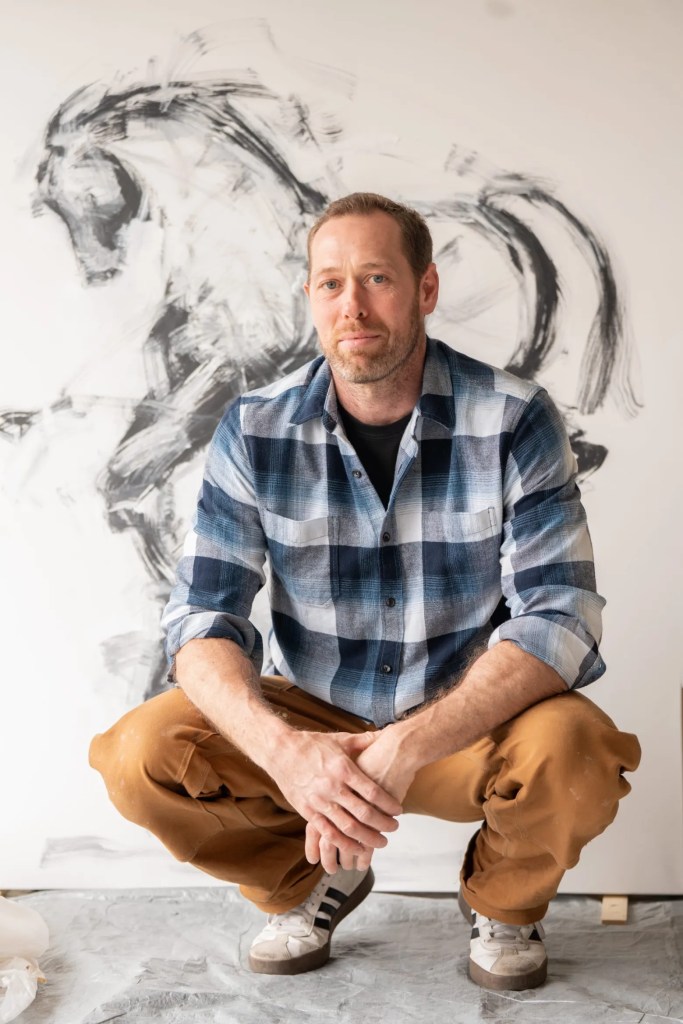
Born into a family led by an artistic matriarch and raised by parents who shared an artistic sensibility, Nick Turner grew up surrounded by creativity and visual expression—influences that fundamentally shaped his identity. Born in Boston, Nick was raised in Maine and homeschooled until age fifteen. His next chapter took him to France, where he completed his International Baccalaureate at the International School of Toulouse.
Nick went on to study at Parsons Paris, packing his bags for the City of Light. During his time at Parsons, he navigated a debilitating period of depression, finding solace and direction through his artwork. It was during this period that he met photographer François Rousseau, who was working on the monograph Atelier, inspired by Patrick Grainville’s novel L’Atelier du peintre. Rousseau cast Nick as one of the central figures in the book, portraying the archetype of the tortured artist—a natural role for Turner at the time. Their connection developed into a close mentorship that solidified Nick’s commitment to pursuing art as a serious lifelong path.

Shortly after, Nick relocated to New York to finish his degree at Parsons. Arriving in Manhattan was a sensory shock; having never visited before, he was struck by the city’s relentless pace, flashing lights, crowds, and ambient noise. He recalled “walking in the shadow of so many tall buildings and places I’d only seen in films”—life suddenly felt cinematic.
In New York, Turner’s career quickly gained momentum. He began photographing models in his preferred aesthetic: raw, candid, and often set within untouched natural landscapes. His evolving body of work soon caught the eye of prominent figures in the art scene, including Clic Gallery, which began showcasing his prints in both Manhattan and East Hampton.
Now preparing for his second solo exhibition alongside his debut book project—both centered on his signature raw, organic visual language—Turner shares insights into his creative vision.
Who are some of the artists who influence your work, and why?
I grew up around artists. My grandmother was a painter, and I spent a great deal of time watching her work; as I get older, I can distinctly feel her presence in how I create and think. Naturally, there are several well-known artists I deeply admire. Jenny Saville is by far one of my favorite painters; I recently saw her work at Gagosian in New York and was blown away by her portraits in person. I am also very inspired by Peter Lindbergh’s photography—it feels grounded, often with a documentary sensibility that I love. Russell James is another photographer I respect; there is something remarkably clean and elegant about the way he captures women.
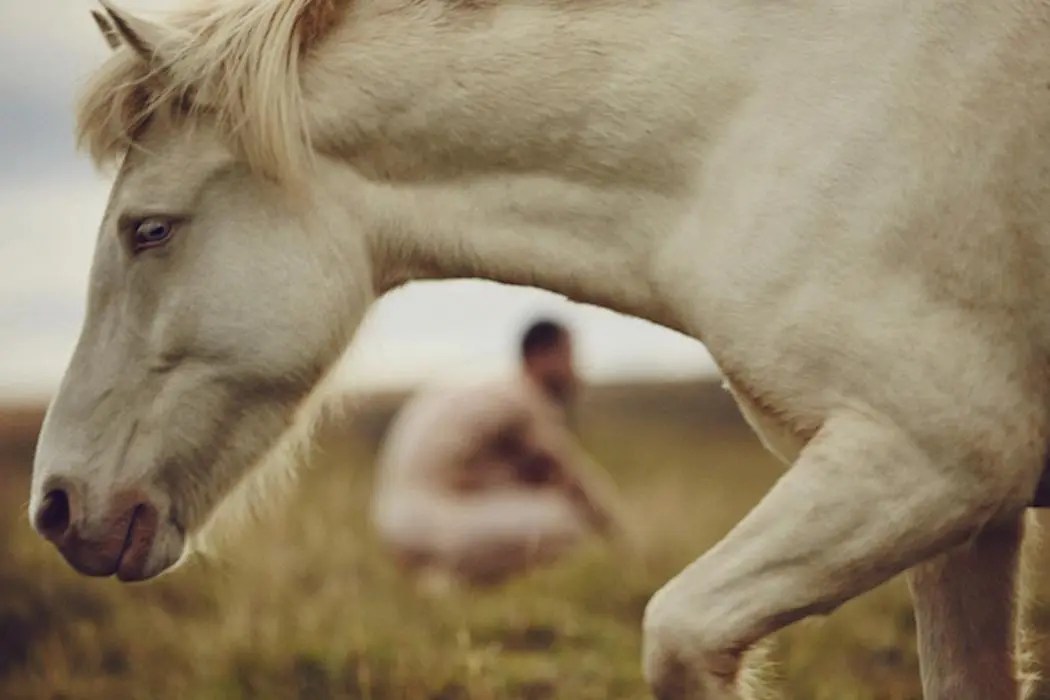
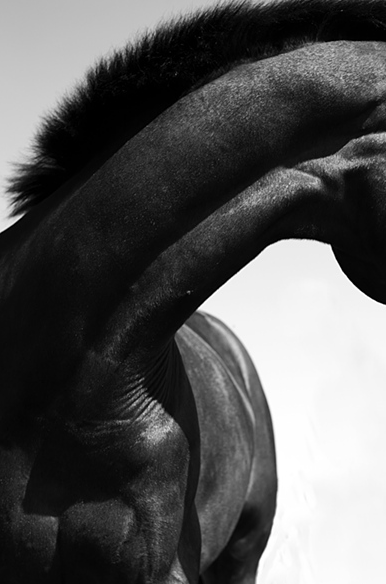
Your work reveals an intimate relationship with horses. Why horses?
I grew up riding competitively in Maine. I’ve always felt grounded around horses and share an instinctual bond with them. I am deeply affected by the people and energy around me, and horses are similarly perceptive creatures that respond directly to emotional nuance. Growing up, I rode with a formal saddle and traditional attire. Today, I ride bareback most of the time. There is nothing more invigorating than sensing the power of a horse moving beneath you. To me, they embody purity, truth, strength, and beauty all at once. A quote often attributed to Winston Churchill always resonates with me: “There is something about the outside of a horse that is good for the inside of a man.”
What is the connection between the women you portray and horses?
Humans are not as detached from nature as we often like to believe; we are still animals at our core. Women and horses share striking parallels: grace, resilience, power, and sensitivity. I continually look for those qualities when photographing either subject, whether together or independently. Capturing that visceral dialogue between a horse and a woman has been a driving concept for me, even if the exact emotion can be difficult to articulate in words.
You are primarily known for painting and photography. Are there other mediums you wish to explore?
Definitely. My formal training is in drawing and painting; photography evolved naturally along the way. Film is the medium I want to pursue next—starting with short films and gradually moving toward larger cinematic projects. When working on location, I tend to visualize scenes through a cinematic lens rather than as static frames.
You have traveled to remote coastlines in Iceland and Scotland. What draws you to these environments?
I am instinctively drawn to desolate, stark, empty landscapes. The energy in those places is quiet and inspiring; it makes me feel alive to experience nature in its raw, unmediated state. Whether looking at a scene through an artistic or aesthetic lens, that elemental beauty in both humans and nature is the most compelling thing to capture. In the black sand beaches of Iceland, the ocean, and the volcanic peaks, you feel the weight of the landscape rather than merely seeing it. Art requires that kind of depth. Spending too much uninterrupted time in studios or cities tends to make me feel claustrophobic.
What qualities do you look for when directing your subjects?
Sincerity and unforced moments. I avoid overly theatrical poses or having models simply act out a generic concept. I want to photograph the authentic person. A shoot becomes difficult if there isn’t genuine trust and openness between us. Through the camera, you register whatever the subject is feeling, so establishing an honest rapport is essential. I prefer an organic process where the session unfolds naturally, very much like building a painting without forcing the outcome.
If you could collaborate with any woman as the subject of your photography and painting, who would it be?
Lara Stone. Her presence and features have an elemental, magnetic quality unlike anyone else. Given my current work exploring strength and raw beauty through women and horses, she stands out as an exceptional muse.
What is your primary ambition as an artist?
To bring the concepts in my head to fruition with complete creative freedom, and ultimately to create work that connects with people on an emotional level.
Do you believe there are limits to creative ambition?
Not inherently—only the boundaries you place on yourself. However, realizing long-term goals requires immense patience, which is something I am continually learning. Every shoot and project is an opportunity to refine the process and push past previous benchmarks. That drive to improve is what constantly expands the scope of what I want to create.

Visit Nick Turner’s website to explore more of his portfolio, and follow him on X and Instagram: @nickodt.
On an evening when the art world had its eyes on the Armory Gala Benefit, Hauser & Wirth managed to draw a discerning crowd to the opening of Bharti Kher’s exhibition, The Hot Winds that Blow from the West, featuring five new works by the acclaimed London-born, Delhi-based artist.
Visitors are welcomed by A View of the Forest, a striking multi-toned green composition rendered in Kher’s signature bindis, before being ushered down the hallway to encounter A Line Through Space and Time. The piece—a standalone staircase leading to nowhere in an empty room—is meticulously covered in sperm-shaped bindis, offering a compelling visual meditation on fertility, time, and transition. Bindis, far more than decorative elements in Indian culture, have remained central to Kher’s practice since 1995. As the artist explains, they are “meant to represent a third eye—one that forges a link between the real and the spiritual-conceptual worlds.”
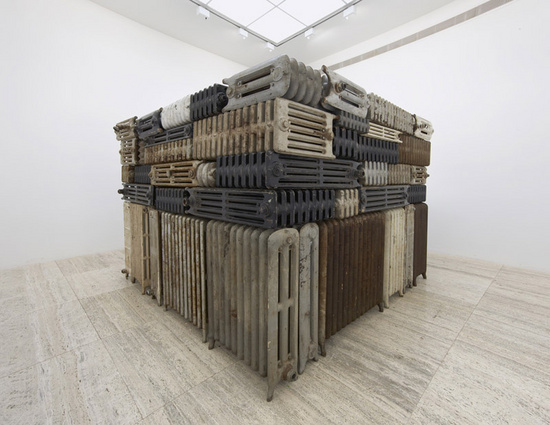
The exhibition’s heavyweight titular installation, The Hot Winds that Blow from the West, commands the rear gallery. Though it could easily occupy a larger space, the work remains astonishing in scale and intent. Over six years, Kher sourced 131 vintage cast-iron radiators from the United States (the West) and shipped them to India (the East) to be assembled into a monolithic, stacked grid.
The title references the Loo, the scorching, occasionally fatal summer winds that sweep across northern India and Pakistan. “We think of winds as harbingers of change, carrying voices of transformation,” Kher notes. “From where I sit, the winds blowing nowadays from the West—from the places that were the seats of power and authority throughout the 20th century—are no longer as strong or reliable as they were.” Stripped of their functional purpose during their journey east, these symbols of Western domestic comfort are re-contextualized: “I suppose I am sending them back to the West as messengers and, perhaps, warnings. Other voices are changing the landscape now, and political uncertainties have put the world in flux.”
On the second floor sits the exhibition’s most arresting work, Reveal the Secrets That You Seek, previously exhibited at the Centre Pompidou in Paris. Composed of 27 fractured, bindi-overlaid mirrors, the installation transforms the gallery into an immersive space of reflection. While broken mirrors traditionally signify misfortune, Kher binds the fractures together, demonstrating how broken fragments can yield beauty, coherence, and reconciliation.
The final work, The Messenger, commands the gallery on its own terms. Positioned in a striking yoga posture and balanced by its own weight, the fiberglass sculpture is described by Kher as “an urban witch, a woman of both mythology and everyday life—a hybrid.” Drawing upon the iconography of the Hindu goddess Dakini—the feminine manifestation of energy—the sculpture conjoins contradictions of gender, species, and role with a haunting, animalistic presence.
An impressive achievement for Hauser & Wirth, the exhibition stands as a powerful testament to Bharti Kher’s conceptual and sculptural vision.
Many years and many models have gone by, but not many remain as active and inspiring as the lovely Ms. Claudia Mason, whom I had the pleasure of representing during my time working at Elite Models.
Claudia doesn’t settle down, she writes, produces plays, directs, wins awards, shoots movies, dances and in whatever time she has left, she models. It’s breathtaking.
Allow yourself to be taken out of breath too in this week’s model musing column, just follow THIS link!
:)
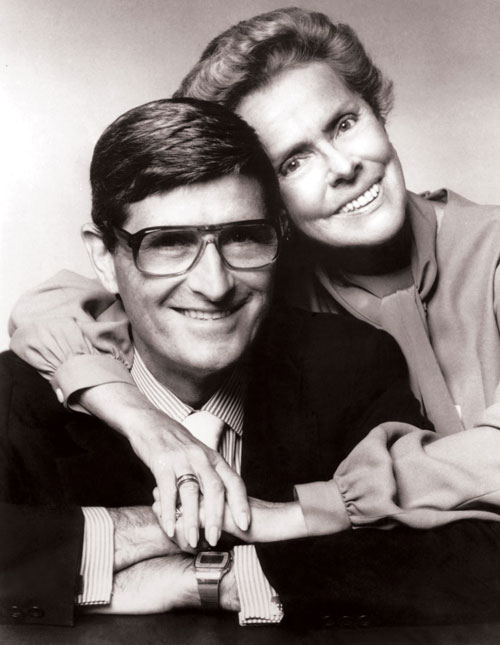
Very rarely I come across people that are truly inspiring. It takes a lot to wow me nowadays, i don’t know if it is the kind of work I do and the amount of impressive people I meet constantly, but I find myself being inspired by little things and certain characteristics rather than the entire “body of work” of a person. Eileen Ford had that quality, that “body of work”; her life story was a true lesson. Her passion and the way she carried her life and her business alongside her husband Jerry were truly moving.
When I spoke to her for this article I wrote for Look Books I was truly moved and completely humbled, here it was, a true legend of the fashion industry, a woman that broke the standards and set brand new ones for all those who followed. Eileen Ford had a dream and a passion, she believed in them and never gave up, building a family business that is now larger than life.
Have a read at the full article in THIS link – it’s long, I warn you, but it’s totally worth it!
xx
Gabriel
Here is a new post in my Model Musing column at lookbooks.com – this week with supermodel blogger Emily Sandberg, you can check out her blog at www.supermodelblogger.com !
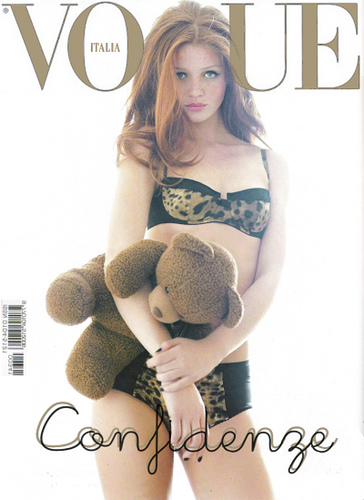
The Sports Illustrated Swimsuit Issue is out and I have taken the opportunity to speak to the Brazilian bombshell Cintia Dicker for Modelinia – Have a read HERE!
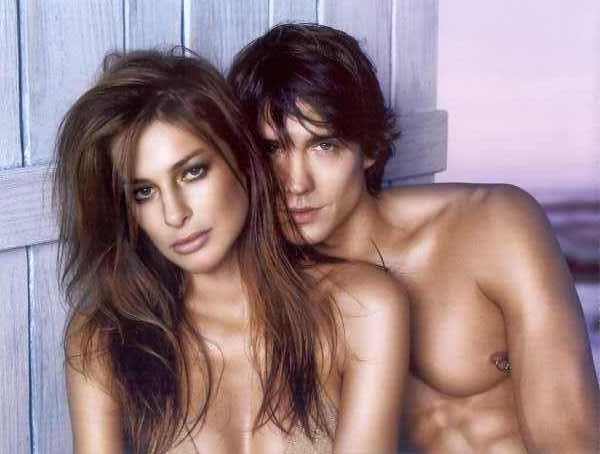
It’s Valentine’s Day and I have posted this feature on cute model-couple Daniela Lopes and Diego Querzoli on Look Books for the Model Musing column of this week. Check it out HERE !
:)
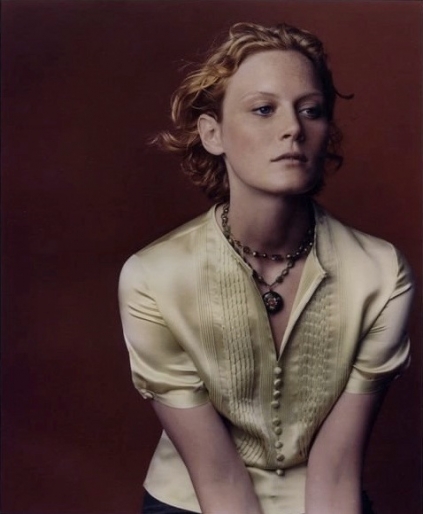
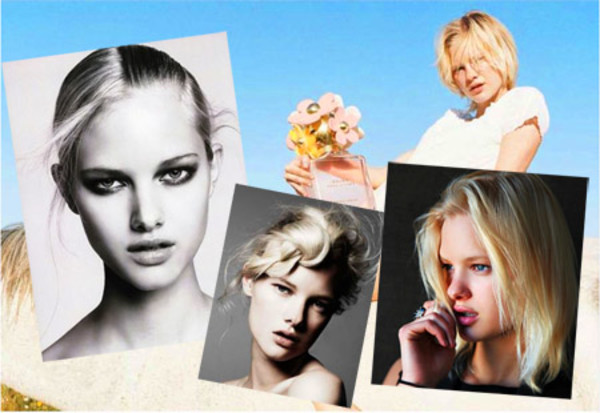
With a look reminiscent of a young Kim Basinger circa 9½ Weeks and an effortlessly warm presence, blonde beauty Hannah Holman has established herself as one of the fashion industry’s most sought-after faces. Hailing from the mountains of Utah, Hannah began modeling at just thirteen years old, but her major breakthrough arrived years later when agent Doll Wright scouted her. Wright championed Holman to top clients, securing her an exclusive booking for Miu Miu in Paris alongside a spot in their Fall/Winter campaign.
Since then, Holman has become a runway and editorial regular, gracing the pages of Vogue US, fronting covers for French, Russh, and Citizen K, and appearing in titles such as W, V, 10, and i-D. Despite standing at 5’8″—shorter than the typical runway standard—Hannah has walked for luxury powerhouses including Chanel, Louis Vuitton, and Marc Jacobs. Her portfolio also features campaigns for Marc by Marc Jacobs, See by Chloé, Moschino Cheap and Chic, and a major worldwide contract for the Marc Jacobs fragrance Daisy.
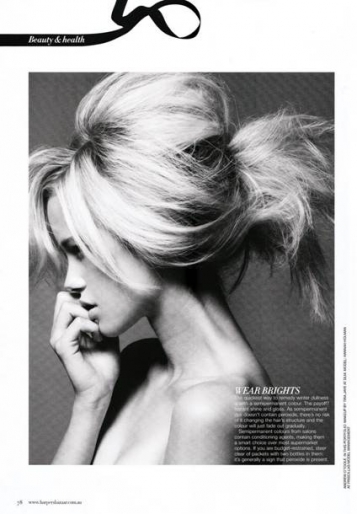
Read on to discover why Holman considers this photograph one of her favorites.

Why do you love this picture?
I was fairly new to the industry, so I wasn’t fully aware of what I was capable of. Seeing how beautifully the shot turned out made me proud and genuinely excited for my future in modeling.
Who took it?
The Australian photographer Andrew O’Toole.
How long did the shoot last?
It ran longer than scheduled. We were all having such a great time that we kept going—we were greedy for more shots, I suppose!
Was there anything unique about the location or environment?
We shot on location inside a hair salon in Australia for a Harper’s Bazaar Australia beauty feature.
Who else was on set?
It was an intimate crew, especially toward the end when we stayed overtime. Hair was styled by Matthew Webb, the salon’s owner.
What was going through your mind when the photo was taken?
I was probably overthinking everything!
What direction did the photographer give you?
He gave me the freedom to move naturally, which I loved. It feels liberating and takes the pressure off.
What was the concept of the shoot?
Back then, I didn’t even realize editorial shoots had specific themes!
What is your biggest challenge as a model?
Balancing work with personal life. Time moves so quickly, and scheduling a vacation is nearly impossible because a major booking inevitably comes in right when you have plans. It’s Murphy’s law!
Is there anything about the modeling industry you would change if you could?
The last-minute confirmations the night before a shoot that disrupt your personal plans. It makes scheduling anything in advance very challenging.
Follow Hannah Holman on X and Instagram: @HannahHol.
With a sharp eye for fashion and aesthetics, Brazilian artist André Azevedo has explored diverse avenues of creative expression. From filmmaking and painting to multimedia art installations, he demonstrates consistent command over his medium, creating a body of work that resonates with both cutting-edge creatives and mainstream luxury audiences. Whether designing a boutique window display, directing a television commercial, or producing editorial illustrations for fashion magazines, Azevedo brings a bold, distinctive vision that captivates audiences worldwide.
Trained in graphic design, Azevedo treated his artwork largely as a personal pursuit during the ten years he spent working as a model manager for one of São Paulo’s top agencies. In 2007, facing burnout, he recognized the need to step back and reassess his path. He stepped away from his fast-paced career in São Paulo, packed his studio, and returned home to Curitiba—a city celebrated for its quality of life and vibrant cultural scene.
The move was initially meant as a sabbatical to discover his true focus, but it quickly catalyzed his transition from agent to full-time artist. Leveraging his industry background, Azevedo took on freelance fashion styling and production work while dedicating his evenings and weekends to canvases, digital screens, and sketchbooks. His work maintained a distinct dialogue with fashion imagery, drawing continuous inspiration from the human form: “The human being remains at the center of my vision,” he notes.
Reflecting on his departure from talent management, Azevedo explains: “In the beginning, being immersed in the fashion world and meeting fascinating people was exhilarating and deeply stimulating. Over time, however, the routine grew predictable. Leaving was necessary, though those visual references still shape my work.”
In Curitiba, Azevedo also embraced digital platforms and social media as central tools to share his portfolio globally. Through his blog, he attracted a wide following that included art directors, fashion editors, and high-profile figures such as Kanye West, who shared Azevedo’s work with his audience.
The internet quickly became an effective gallery. Azevedo began fielding collaboration requests from international peers and commercial clients like Alfa Romeo and MTV, who integrated his illustrations into creative campaigns. Editorial commissions followed from publications such as Tank and Made in Brazil. Brazilian label Forum tapped him to design a limited-edition capsule of graphic t-shirts that swiftly sold out, while Lacoste invited him to participate in a collaborative project that featured a runway presentation, an exhibition series, and a limited-edition art book launched in Paris in 2011. A large-scale panel Azevedo created for the Rio de Janeiro exhibition was later adapted for Lacoste’s flagship store windows across the city.
Art book publisher Taschen recognized his distinctive style and featured his work in Illustration Now! Vol. 4, later including him in The Big Book of Fashion Illustration.
Addressing the intersection of fine art and commercial partnerships, Azevedo takes a pragmatic, grounded approach: “Most artists dream of working uninterrupted in their studios without worrying about market viability or pricing, but that is rarely realistic. While some view commercial work critically, I don’t believe it diminishes my integrity as an artist. Being invited to collaborate with legacy brands like Lacoste or Alfa Romeo is a compliment. My creative freedom remains intact; I am typically given a general theme and allowed complete freedom to interpret it.”
Having established himself across painting, design, and illustration, what comes next? “Photography still fascinates me,” Azevedo reflects. “It demands rigorous technical discipline and is one of the few mediums that didn’t come intuitively to me like drawing and painting.”
Visit André Azevedo’s official blog to explore his latest portfolio and projects.
As New York Fashion Week approaches, hundreds of new faces fill the streets of Manhattan—models competing for their moment under the runway spotlights. For many, a single booking can be the catalyst for a long and successful career; securing the job is only the first step, and the runway performance is everything. But how do these emerging models prepare for high-pressure castings? And how do they master their walk when called to perform?
Connie Fleming is the answer for many of these young talents. Many arrive having learned to walk in their home countries or from watching runway videos online, often needing to refine their technique—or unlearn bad habits and start entirely from scratch.
Fleming emerged in the fashion world during the 1980s amid New York’s vibrant downtown fashion and performance art scene. She caught the eye of designers like Patricia Field and Andre Walker, who cast her in their runway shows. Soon after, she gained acclaim from houses like Thierry Mugler and Vivienne Westwood. Her modeling career flourished, with photographers like Steven Klein and Steven Meisel cementing her status as an industry muse.
Through her involvement in the art world and years of collaborating on production and casting with longtime friend Patricia Field, Fleming developed deep industry expertise before transitioning into runway coaching. With alumni including Arlenis Sosa, Hanne Gaby Odiele, Erin Heatherton, and Brooklyn Decker, she brings a wealth of insight to the next generation of models:
What do you enjoy most about coaching young models for the runway?
Helping them build confidence and watching them grow, evolve, and adapt to the creative vision of each designer.
To an outsider, walking a runway might seem simple—put on the clothes, maintain a strong expression, and walk. Given the demand for a coach, what else goes into mastering the walk?
It comes down to attitude, presence, pace, and making a connection with the eyes. It’s about being fully present in the moment and embodying the overall creative statement of the collection.
What is the most critical skill for these models to develop?
Understanding the client’s creative direction and brand aesthetic, mastering body alignment to complement the garment’s silhouette, and feeling entirely comfortable in their own skin.
Do model agents typically provide specific instructions or ever interfere with your process?
Every model has different needs at any given moment. An agent might ask to focus on a specific walk for an upcoming show or help a new face step out of her shell. I’ve never experienced friction with agents; ultimately, they know their talent best. They also receive direct feedback from casting directors and clients, so it becomes a collaborative effort to get the model ready.
What is the most challenging aspect of being a runway coach?
Time. There isn’t always enough time to prepare a model as thoroughly as I’d like before show week begins.
How does it feel to see models you’ve coached succeed in major campaigns, editorials, and shows?
Naturally, it’s rewarding. It is wonderful to see them apply the techniques and poise we developed during our sessions.
Do you stay in touch with the models you’ve worked with?
We cross paths at events and shows from time to time. They are busy building dynamic careers, and I couldn’t be happier for their success.
What is your most important piece of advice for aspiring models?
Do your homework on the industry—study the designers, fashion houses, key publications, and digital platforms. Most importantly, recognize that this is a demanding business that can be tough at times. You need a thick skin and the ability not to take critiques personally.
What goals are you currently focused on achieving?
There are still several creative avenues I want to explore. I am currently developing various personal projects, including a collection of fashion illustrations I have worked on for years, which I plan to exhibit soon.
Lisa Cant Splashes Back into the Fashion Scene
Dolce & Gabbana favorite Lisa Cant recently took time off from the fashion world to attend Columbia University, but the blue-eyed beauty is back and looking better than ever! Along with wrapping up her final semester at Columbia this year, Lisa just shot an editorial for Vogue US with Steven Klein and plans to walk the runway in the upcoming Fashion Weeks.
Trump Models included Lisa in their show package for casting directors and designers. Having walked some of the top runways in the past—including Chanel and Marc Jacobs—she is sure to be one of the most booked models this season.
In an evening of relentless rain, New York City’s most die hard charity fans showed up for Haiti. The event led by supermodel
entitled “Letters to Haiti” came to show that when you mix, fashion, art and humanitarian causes you can’t go wrong. In it’s third fund raiser, the non profit organization
, founded by Cedrick Roche and his wife,
– moved locations, leaving the grungy Opera Gallery in Chelsea and Mr. Brainwash’s colorful installations behind to inhabit a more minimalist spot.
The gallery at Milk Studios included works by Victoria’s Secret model Behati Prinsloo, Greg Kadel, Enrique Badulescu and Ben Watts, among others; all up for auction to help raise money for the charity that supports orphanages and schools in Port Au Prince
But the main event of the evening was
‘s documentary screening which also gave name to the event – “Letters to Haiti” – in which Mr. Conran depicts the efforts of Coco and Behati along with a couple of friends in bringing letters and donations from around the world to the children of Haiti. As some of you may know, James Conran is Coco Rocha’s husband, a talented designer and now also a filmmaker.
Coco’s efforts didn’t go unnoticed and she managed to bring out her buddies Karlie Kloss and Hillary Rhoda as well as long time friend Mr. Zac Posen who made sure Rocha had a fresh-off the runway look to wear for the evening. Before the film started. We heard the warm laughter of Lauren Santo-Domingo trading impressions of Ms. Prinsloo’s pictures with make up artist Joe Hubrich and Carolina Bittencourt-Roche discussing blogging with her friend Luciana Curtis.
After the screening of the documentary was finished, Coco reminded everyone that the silent auction was about to begin, but – and said, “If you can’t bid or donate, then maybe you can spread the word and help us raise awareness, Haiti still needs you”.
The message was received, and it seemed that the guests were in pretty good holiday spirits as most of the photographs were sold with no fuss; well, except for one very colorful photography by Ben Watts; generating a bidding war that culminated with the designer Ana Lerario-Geller having to outbid an unknown gentleman by a hundred dollars in the last minute before the bidding closed. Merry Christmas Robert Geller!
All in all it was a fun night out on a very boring rainy New York evening where the holiday spirit could be felt in full force.
Gabriel Ruas Santos-Rocha, to see mroe of his writing click
.
All photos courtesy of Josh Wong Photography
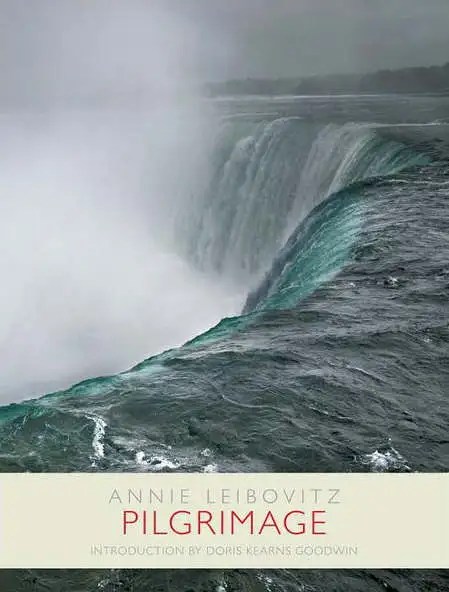
West Chelsea saw a true fashion pilgrimage last night as figures like Tory Burch, Marina Muñoz, and Jamie Johnson flocked down 22nd Street, navigating around a film shoot for the TV series Damages that had brought local traffic to a standstill. Nothing deterred them from their mission: attending the opening of Annie Leibovitz’s Pilgrimage exhibition at The Pace Gallery, hosted by none other than Anna Wintour, the formidable editor-in-chief of Vogue.
Expectations for the event were high. This marks Leibovitz’s first entirely digital project, and the subjects of her photographs are not the famous faces typically seen across the pages of Vanity Fair or Vogue, but rather places and inanimate objects that hold personal resonance for the photographer and cultural significance in history.
Surrounded by images of Emily Dickinson’s last remaining dress, Elvis Presley’s television, Sigmund Freud’s couch, and Abraham Lincoln’s hat, photographer Claiborne Swanson Frank shared details about her forthcoming debut book, while “It girl” Lily Kwong laughed about sourcing an evening dress on a strict budget for an upcoming Vogue.comfeature: “Give me 200 bucks and I’ll make it work!” Coco Rocha made a brief appearance alongside husband James Conran en route to a dinner party. The couple is preparing to host a benefit next week for Lakay Pam, a nonprofit dedicated to supporting children in Haiti. Marking Rocha’s third fundraiser for the organization, the evening will feature the premiere of the documentary Letters to Haiti alongside an exhibition of photographs taken by Victoria’s Secret Angel Behati Prinsloo during their visit to the country last year.
On an evening where fine art shared the spotlight with fashion, Chuck Close’s presence served as an anchor for the night’s core purpose: celebrating art and historical memory. Close reflected on Leibovitz’s latest direction: “It’s interesting to see an artist of her caliber step out of her comfort zone to shoot inanimate objects. The result is beautiful. I’ve never been someone who takes casual photographs—I don’t think I’ve ever taken a picture on vacation. I prefer keeping those moments in memory, so seeing these personal subjects documented this way is fascinating.”
The reception unfolded seamlessly in the gallery’s warm atmosphere. Over white wine and canapés, Karen Elson, Narciso Rodriguez, and Prabal Gurung mingled alongside Catherine Newell-Hanson, Eugenia Gonzalez, and Michelle Harper. Leibovitz signed monographs for friends and guests, and right around 8:00 PM, the gallery began to empty promptly—an understated departure typical of such an exclusive crowd.
Photographs from Pilgrimage will be on view in New York at The Pace Gallery on December 1, 2, and 3, and will travel to the Smithsonian American Art Museum in Washington, D.C., running from January 20 to May 20, 2012. The accompanying book, Pilgrimage, is published by Random House and available now.
*Originally published on Lookbooks.
HERE is a link to something I wrote on one of my favorite new models for LookBooks.com – have a read! :)
Naomi Preizler (Elite) is much more than just a pretty face and a great runway girl. She is a true artist who paints and draws likes nobody’s business, and has a great understanding of art and fashion, which to me is an extremely important factor in a model’s career.
Unquestionably a rising talent in our industry, just the other week Naomi shot single-girl editorials for Vogue Russia and L’Officiel in different parts of the world. Her previous bookings include a cover of Vogue Italia Gioiello; editorials for V Spain, V, Interview, Muse, Dazed & Confused, Wonderland, and Zoo; and features in i-D and Metal.
Naomi was also featured on the cover of the first issue of Harper’s Bazaar Argentina, her native country, where she is also currently working on a line of t-shirts with prints from her paintings.
Naomi has walked the runways of Givenchy, Chanel, Sonia Rykiel, Jean Paul Gaultier, Richard Chai, Rag & Bone, Missoni, Vivienne Westwood, House of Holland, among many others; and has been shot by photographers like Mario Sorrenti,Sharif Hamza and Vicky Trombetta (2DM).
For more on Naomi and Gabriel: Naomi’s Twitter | Gabriel’s Twitter — Blog
LookBooks wrote an article about transgender models invading the fashion world and asked me for my opinion on it, and i was glad to give it. Check it out HERE.
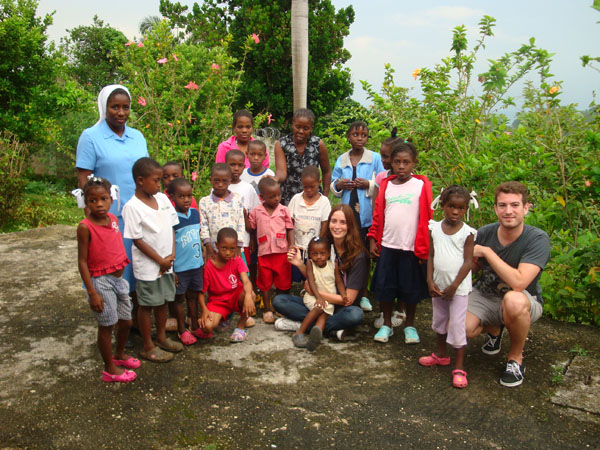
While the world has kept Haiti in its thoughts and hearts ever since the tragedy, only a select few individuals have had the opportunity to visit the country, witness the aftermath firsthand, and lend a helping hand. Elite agent Gabriel Ruas shared his experience in Haiti with Modelina just in time for the Lakay Pam event hosted by Coco Rocha tonight—to which you are all invited!
I have been working with the NGO Lakay Pam (“My House” in Creole) for a little over three years. The organization, founded by one of the models I manage, Carolina Bittencourt, has touched me from the start. Carolina, who traveled the world throughout her modeling career, had always felt the need to help, but she never believed that simply giving money away was the right approach. It was only when she met Haitian entrepreneur Cedrick Roche that she finally discovered her mission. With Cedrick by her side, she set off for Haiti to learn all about this Caribbean nation—so close to the modern world, yet so far from everyone’s mind.
Carolina and Cedrick set their sights on one particular orphanage. Their goal was to help the children of Haiti, many of whom had been abandoned by their parents, were unable to afford an education, or lacked even a grain of rice to eat at the end of the day. Today, Lakay Pam helps provide shelter, education, healthcare, and food for over 700 children in Haiti, but the number of those in need is far larger and continues to grow daily.
Following the earthquake in January of this year, I decided to finally make my way to the emerald shores of Haiti and get to work. Through an invitation from Lakay Pam and their local supporters, I arrived in Port-au-Prince feeling both excited and apprehensive; the reality of what I was about to encounter remained uncertain in my mind. After an easy, comfortable three-hour flight from New York, arriving at the airport was straightforward, yet the devastation was immediately evident: military helicopters and airplanes lined the partially destroyed tarmac, and the limited organization upon entry was entirely expected.
Once I settled in, I got into a car and headed toward downtown Port-au-Prince. Everywhere I looked, I saw destruction. From small houses to tall buildings, most of the city had collapsed to the ground—six floors of concrete pancaked on top of each other. As we approached the city center, the damage worsened. Several buildings still standing showed severe structural instability, forcing residents to live outside in makeshift tents.
The tent settlements are an entirely separate reality. Tents now fill what used to be beautiful public squares and monuments, stretching into the hills bordering the city alongside tons of debris and rubble. It is heartbreaking to see that in our modern age, people are still subjected to such hardship.
Yet not all is lost, as every Haitian citizen and visitor will tell you. The people of this island share an extraordinary quality: an unwavering will to survive paired with profound resilience. Haitians have endured brutal, corrupt leadership and ineffective public institutions, yet they have consistently persevered—and they continue to do so now.
Creativity flourishes across the country. Local artisans showcase remarkable talent through mosaics, stone sculptures, and intricate straw crafts. All of this work is created without formal training, demonstrating skills that design students in developed nations spend lifetimes trying to master.
While international aid is being distributed, the scale of destruction—combined with political bottlenecks—means that direct, on-the-ground action remains crucial. Whether the immediate need is cribs, X-ray machines, mattresses, bricks, or cement, providing direct assistance is essential. In a country where the majority of the population lacks running water or electricity, even one hundred dollars goes a long way.
There is another direct way to help that is both impactful and rewarding: consider visiting Haiti for your next Caribbean vacation. With some of the most stunning coastlines in the region, Haiti was once a premier travel destination. Destinations like Île-à-Vache, Port-Salut, and Cap-Haïtien offer exceptional hospitality surrounded by rich culture and history, presenting a completely different atmosphere from downtown Port-au-Prince. Furthermore, many who have taken Caribbean cruises have already visited Haitian shores at private resort ports without realizing it.
Tourism directly stimulates the local economy: increased visitor numbers support hotels, generate sustainable employment, and accelerate rebuilding efforts. This model has revitalized regions across Africa, South America, and Asia.
If you have read this far, you are already engaged. Support Haiti in whatever way you can—do not let this recovery lose momentum or fade from public attention. Together, we can help support a resilient nation working to overcome immense challenges.
*Originally published on Modelinia.
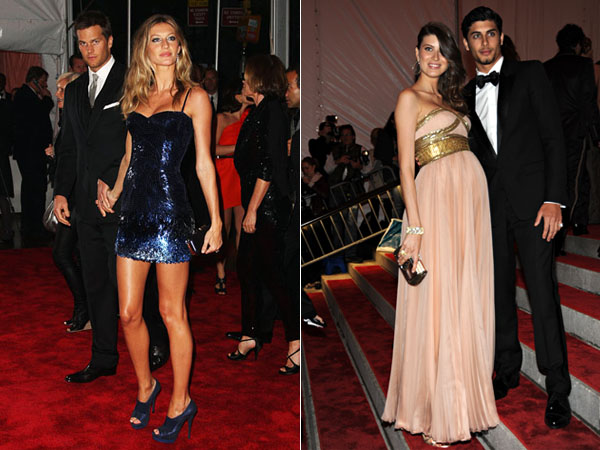
Vogue follows two top models to the Met Gala 2010 and reveals the backstage preparations for the party—the biggest night in the fashion industry.
In the two weeks leading up to the Costume Institute Gala—also known simply as the Met Gala to insiders—New York sizzles. The benefit, held annually at The Metropolitan Museum of Art, is co-chaired by American Vogue and is to the fashion world what the Oscars are to Hollywood, especially when it comes to the red carpet. The difference is that instead of actors and directors, the main focus here is on models and designers. Securing an invitation is no small feat: you are either exceptionally influential and invited as a guest at someone’s table, or you have deep pockets. The coveted individual tickets average around $7,500, while tables cost up to $250,000, with all proceeds supporting the museum’s Costume Institute. It is an investment, considering multimillion-dollar deals are brokered at the party, and the who’s who of fashion is in attendance. Everyone wants their turn on the most scrutinized red carpet in the world.
As an agent in the women’s board at Elite Model Management in New York, representing clients such as Alessandra Ambrosio and Charlotte Kemp Muhl (who is engaged to musician Sean Lennon), I witness this high-stakes fashion frenzy up close. The models invited by designers to sit at their tables have the distinct advantage: they are dressed by the fashion houses directly and do not pay for tickets. Leading up to the event, the agency’s phones ring off the hook with inquiries from designers, hairstylists, and makeup artists eager to collaborate. Once the designer pairings are established, creative teams assemble for styling briefings centered around the annual theme. This year’s exhibition, American Woman: Fashioning a National Identity, runs through August 15. Looks are selected and tailored around the model’s silhouette, current color palettes, and upcoming runway trends. The priority is not merely avant-garde experimentation, but effortless elegance.
A week before the gala, countless emails circulate with lookbooks, jewelry options, and makeup references. After extensive deliberations, the selection narrows to roughly ten gowns and twenty pairs of shoes. By the weekend before Monday’s event, the models touch down in New York—often straight from back-to-back international shoots, running on minimal sleep, with immediate fittings on the schedule. By Saturday morning, the choice is down to the final three looks. Inevitably, the favorite might require significant alterations, much like last year with Michelle Alves, who was pregnant at the time and required emergency tailoring across a Sunday—a logistical challenge even in Manhattan. Once the final gown is locked, attention turns to fine jewelry and accessories.
On the day of the event, the pressure peaks. Publicists manage the minute-by-minute schedule: hair and makeup call times, private car dispatch, and exact arrival windows at the Metropolitan Museum steps to ensure maximum press coverage. Red-carpet positioning is crucial. Arriving alongside an A-list Hollywood couple can dilute press attention, whereas posing alongside fellow industry figures and designers generates high-value syndicated imagery for global publications. Beyond the styling, presence matters: every smile, gesture, and arrival photo is recorded and distributed internationally within minutes. The right dress paired with poise creates instant buzz, and landing on the best-dressed lists almost certainly guarantees a return invitation next year.
Article originally featured in Vogue Brazil, June 2010.
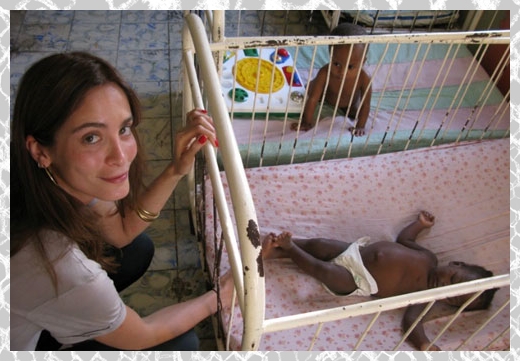
Married to a Haitian and managing an orphanage-school for more than 400 children on the island, model Carolina Bittencourt will never forget January 12: while she was giving birth to her daughter, her husband’s homeland crumbled to pieces.
By Gabriel Ruas Santos Rocha
Carolina Bittencourt knew that January 12, 2010, would be a monumental day. At 2:00 PM, she entered the delivery room at Mount Sinai Hospital in New York to welcome baby Olivia, the first child from her two-year marriage to Haitian businessman Cedrick Roche. What Carolina could never have anticipated was that the day would become unforgettable for two vastly different reasons.
Back in her recovery room—awake and caught between the euphoria of holding her newborn and the physical exhaustion of childbirth—she began receiving a flood of unexpected text messages. Alongside congratulations on Olivia’s arrival, friends sent prayers for Haiti and anxiously asked if Cedrick’s family was safe. At that moment, the messages made no sense. Carolina, who had founded an NGO three years earlier that ran an orphanage-school and a dental clinic on the Caribbean island, found the sudden concern alarming. When she turned on the television, the reality hit immediately. Staring at Cedrick in disbelief, their joy gave way to horror as news broadcasts aired images of widespread devastation and chaos.
Port-au-Prince was in ruins, thousands of lives had been lost, and the couple faced the agonizing uncertainty of not knowing their family’s fate. As journalists struggled to report the full scope of the disaster, Cedrick placed call after call to his parents with no success until a connection finally went through to an uncle. The relief was overwhelming, and the news grew even better: Cedrick’s parents were also alive and unharmed. Cedrick, whose family owns a supermarket chain and lives in an area with sturdier infrastructure, could breathe only a partial sigh of relief. The couple’s primary concern immediately turned to the safety of the children at the orphanage and the condition of their NGO, Lakay Pam. Cedrick made hundreds of calls without answers. The fragile phone line dropped, and night fell with communication entirely cut off.
The bedroom television remained on continuously. Olivia seemed to mirror her parents’ tension, sleeping in only brief stretches. While Carolina remained grateful for her daughter’s safe delivery, the thought of countless Haitian children—including the 400 under her care—injured, displaced, or worse, weighed heavily on her. The Brazilian model had built a deep bond with the children at the facility, watching many arrive at an early age and witnessing their development firsthand while maintaining close relationships with their families.
The following morning, phone service returned briefly. Cedrick reached his family again, though they had no updates on the orphanage, as streets remained blocked by debris and panic. While the family’s supermarkets were partially damaged, Cedrick’s brother-in-law survived with minor injuries after being trapped beneath the wreckage. Shortly after this brief update, the line went dead again.
By this point, international news outlets were broadcasting live coverage to provide clearer assessments of the damage. With New York home to the largest Haitian diaspora in the United States, humanitarian aid initiatives mobilized swiftly around the world. Witnessing the global response brought a measure of comfort to Carolina and Cedrick. Even knowing that logistical hurdles would delay relief supplies, they felt that Haiti might finally receive the sustained global support it had long required. Located just three hours by plane from Miami and New York, the country had endured decades of extreme poverty, rolling blackouts, and limited access to clean water, alongside significant public health challenges. Grassroots NGOs working on the ground had long operated under complex conditions, contending with bureaucratic delays and instability.
Exhausted from sleeplessness and worry, Carolina and Cedrick resolved to take immediate action. From the hospital room, between caring for Olivia and resting, Carolina began reaching out to colleagues across the fashion industry. The response was immediate: top models Raquel Zimmermann, Coco Rocha, Natasha Poly, and Alessandra Ambrosio offered support right away, joined by designers Narciso Rodriguez and Richard Chai.
This marked the start of an extensive recovery effort. For Carolina, the mission became an opportunity to support meaningful, lasting rebuilding: restoring Lakay Pam’s headquarters, reconnecting with the children and their families, and reviving the dental clinic originally established with the Brazilian organization Turma do Bem. Ongoing projects took on renewed urgency. On February 12—when Olivia turned one month old—the couple hosted a benefit in New York’s Meatpacking District, bringing together leading figures across fashion to support relief operations in Haiti. Carolina hopes that her daughter’s arrival will parallel a renewed chapter of resilience and recovery for the country.
Originally featured as a cover story in Vogue Brazil #379 – March 2010.
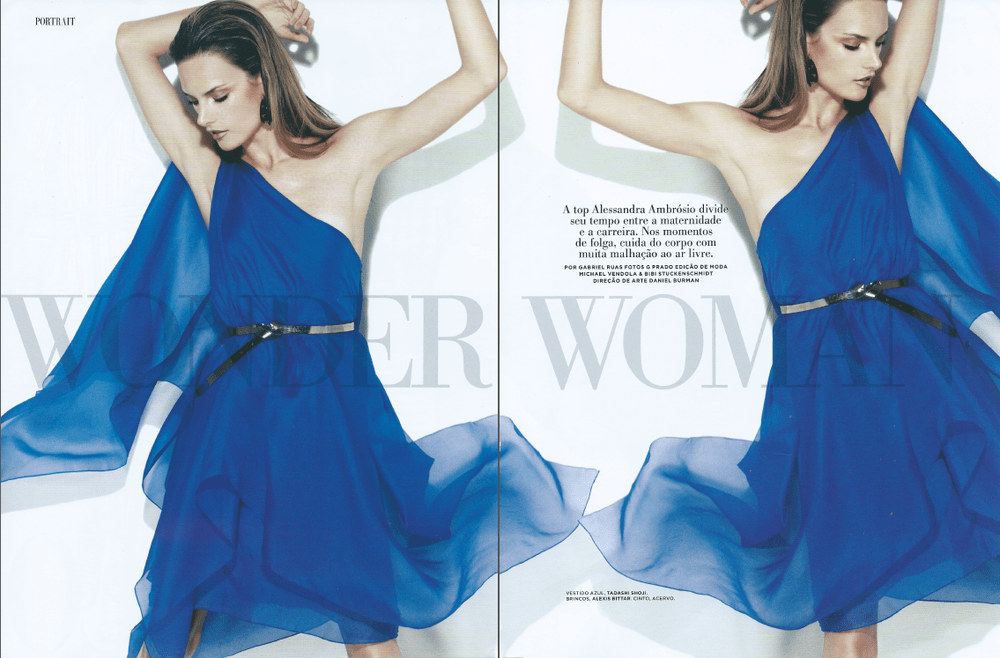
Top model Alessandra Ambrosio splits her time between motherhood and a modeling career. On her time off, she takes care of her body with outdoor workouts. by Gabriel Ruas
Even though she has three homes – in Los Angeles, New York and Florianopolis – Alessandra Ambrosio spends most of her time at location shoots and photography studios. The 5’9 top model has perfect curves and is one of the most important models in the world. Alessandra has been appointed several times by renowned news outlets as the sexiest or more desired woman in the planet. All that fame didn’t happen overnight.
When she started modeling, Alessandra heard repeatedly that she wasn’t tall enough for the runway but, determined, she worked hard until she stepped on the catwalk of heavy weights like Ralph Lauren, Christian Dior, Kenzo and Vivienne Westwood. Currently, she is one of the ‘Angels‘ under contract with the brand Victoria’s Secret, holding the longest running contract and one of the fattest pay checks of the industry, a fact evidenced by Forbes Magazine.
Known for her great personality, the girl from Erechim, Brazil is not only the face of hyped brands. She is currently developing a bikini line, stars in TV commercials and still finds time to dedicate to philanthropy. Not only that: she completely changed her routine in order to adjust to the biggest and more audacious life project, her daughter Anja. Since the birth of the little girl Ale, as she’s known by close friends, prioritizes jobs with her favorite clients in order to make more time for her family.
Victoria’s Secret, Next UK and Giorgio Armani are some of the lucky brands for which the top model will always make time for. As she likes to put it, they’re friends, almost part of the family. So much so that during those bookings she has freedom to control the music selection – Led Zeppelin, Faith No More, INXS, Pearl Jam and Nirvana are always among her choices – and during the break, between a click and another, she ties in a lively chat with the crew.
This lightness, Alessandra cultivates and cares for with special attention. She knows that the career she chose is tough and it’s necessary to believe in herself to accomplish and manage her success. That’s why, whenever she has the chance to chat with new faces, she doesn’t hesitate in sharing her recipe: Patience and always remaining professional.
Passionate about sports, Alessandra Ambrosio maintains her curvy body through practicing surfing, windsurf, running and playing volleyball. Last year, three months after giving birth to Anja, she walked down the Victoria’s Secret catwalk exhibiting perfect shape, leaving the fashion world in astonishment. What’s her secret for getting back in shape so quickly? The new routine with the baby is responsible for a great portion of these results, but the model confesses that combining healthy eating habits and workouts was the main factor that brought her perfect body back.
From here on, Alessandra intends to live every moment to its fullest. The focal point remains her family and work and, with the certainty that only a few successful people have, she is not afraid of what the future holds. Her modeling career is what fascinates her and what she desires to do for many more years to come. Even though she has considered adding acting to her resume, she gave up when she realized that she would be type-cast in that industry. After all, an ‘Angel’ knows perfectly well the mechanisms which maintain her life in motion and can manage the explosive combination of fame + power + beauty with tranquility. She is not someone who walks within pre-determined standards; she prefers to create her own paths.
Article originally featured as a cover story on L’Officiel Brazil # 33 July 2009